Get your free personalized podcast brief
We scan new podcasts and send you the top 5 insights daily.
Nadella predicts AI's enterprise adoption will be two-pronged. While executives will push top-down projects with clear ROI, the real transformation will be bottom-up. Individual employees will build their own agents to eliminate drudgery, just as lawyers adopted Word and finance teams adopted Excel, making the tools indispensable.
Related Insights
An effective AI strategy pairs a central task force for enablement—handling approvals, compliance, and awareness—with empowerment of frontline staff. The best, most elegant applications of AI will be identified by those doing the day-to-day work.

The massive TAM expansion for AI relies on shifting spend from labor to technology budgets. This shift won't happen because of top-down CIO mandates. It must be driven by bottom-up product pull, where the value proposition is so overwhelmingly clear that customers are compelled to adopt it.

Unlike previous top-down technology waves (e.g., mainframes), AI is being adopted bottom-up. Individuals and small businesses are the first adopters, while large companies and governments lag due to bureaucracy. This gives a massive speed advantage to smaller, more agile players.
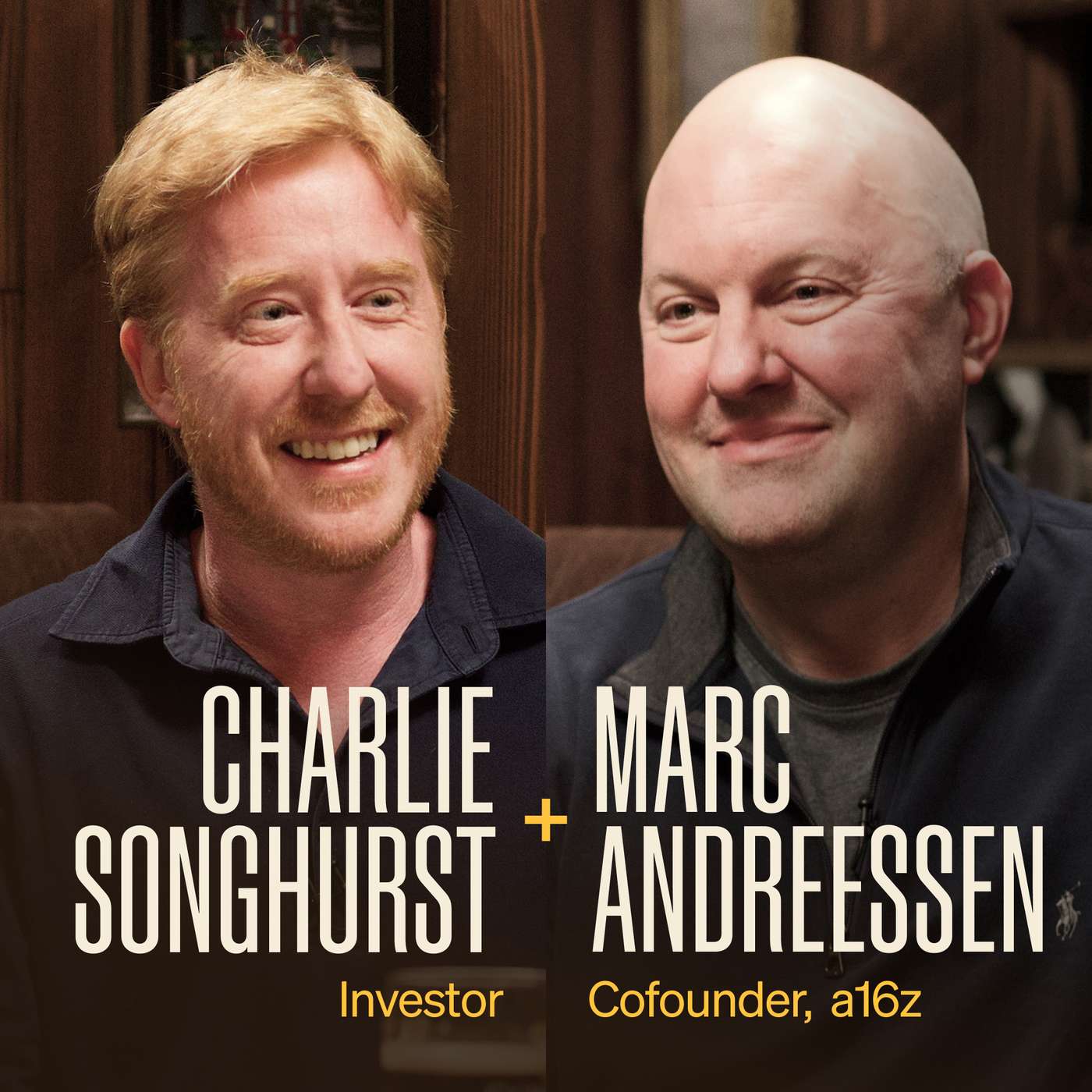
Satya Nadella suggests a fundamental shift in enterprise software monetization. As autonomous AI agents become prevalent, the value unit will move from the human user ("per seat") to the AI itself. "Agents are the new seats," signaling a future where companies pay for automated tasks and outcomes, not just software access for employees.

Enterprises face hurdles like security and bureaucracy when implementing AI. Meanwhile, individuals are rapidly adopting tools on their own, becoming more productive. This creates bottom-up pressure on organizations to adopt AI, as empowered employees set new performance standards and prove the value case.

Unlike previous tech waves, agent adoption is a board-level imperative driven by clear operational efficiency gains. This top-down pressure forces security teams to become enablers rather than blockers, accelerating enterprise adoption beyond the consumer market, where the value proposition is less direct.
Casado asserts that current AI is an individual prosumer technology. Corporate AI projects often fail because they misapply it. The immediate organizational value comes from the aggregate productivity gains of employees using consumer AI tools like ChatGPT on their own.
A successful AI transformation isn't just about providing tools. It requires a dual approach: senior leadership must clearly communicate that AI adoption is a strategic priority, while simultaneously empowering individual employees with the tools and autonomy to innovate and transform their own workflows.

Nadella frames the progression of AI tools for knowledge workers as following the same path as coding assistants: from simple suggestions, to chat interfaces, to executing actions, and finally to fully autonomous agents. This provides a clear roadmap for product development and user adoption in the AI space.
The paradigm shift with AI agents is from "tools to click buttons in" (like CRMs) to autonomous systems that work for you in the background. This is a new form of productivity, akin to delegating tasks to a team member rather than just using a better tool yourself.