Get your free personalized podcast brief
We scan new podcasts and send you the top 5 insights daily.
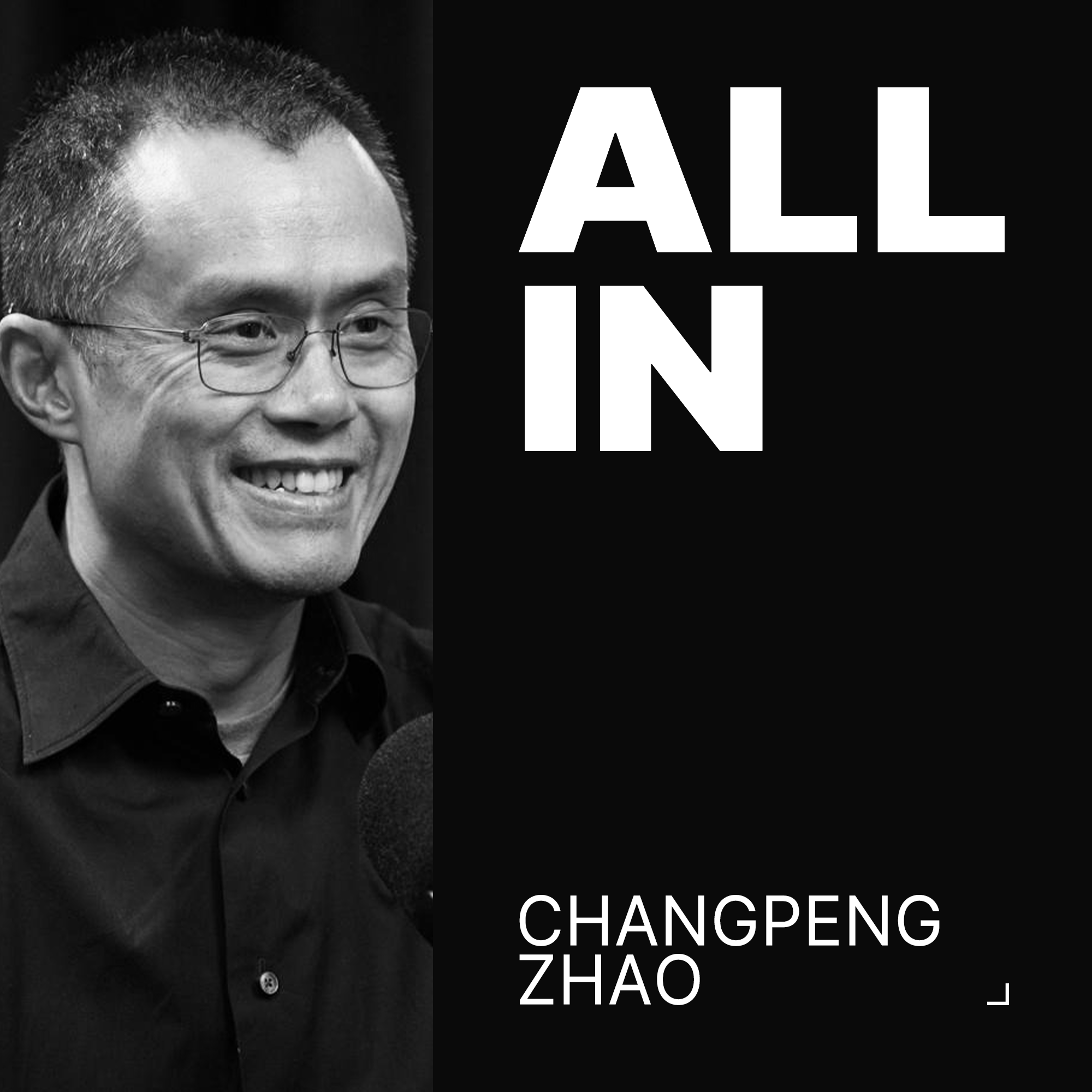
CZ revealed that a key reason for exiting their FTX investment 1.5 years before its collapse was SBF's behavior. SBF was badmouthing Binance in DC and aggressively poaching their VIP account managers with 5x salary offers to gain access to their client database.
Related Insights
Leaked exchanges show OpenAI leadership felt "betrayed" when early investor Reid Hoffman started rival Inflection AI. This prompted them to consider asking new investors for a "soft promise" not to fund competitors, a highly unusual and restrictive term in venture capital.
CZ's key metric for Binance's health was Daily Active Users (DAU), not trading volume or revenue. He believed that as long as more users were finding value in the platform, long-term success was guaranteed, even if short-term revenue was not optimized.
Before launching its own exchange, CZ's company provided "exchange-as-a-service" software to 30 other exchanges. When the Chinese government shut down their clients in 2017, they were forced to pivot, using their existing technology to launch Binance.
Incidents of alleged founder misconduct, like lying about metrics and mistreating staff, are not isolated events. They are symptoms of a market bubble where excess capital fuels arrogance and unprofessional behavior, serving as a key warning sign for the wider industry.

While the early crypto market was dominated by cypherpunks advocating for anonymity, Coinbase took the opposite approach. They worked with banks and implemented KYC, betting that mainstream adoption required a compliant, trusted platform, even though it alienated the initial user base.

After six months of research convinced him of Bitcoin's potential, CZ demonstrated extreme conviction by selling his only major asset, an apartment in Shanghai for under $1M, to go all-in on Bitcoin. He bought in at an average price of $600 while the price was dropping.
CZ spent nearly a decade, from his first internship in Tokyo to managing a team at Bloomberg, exclusively building low-latency order execution systems for traditional finance. This deep, niche expertise became his unfair advantage when building Binance's high-performance matching engine.
Dara Khosrowshahi justifies selling Uber's Zomato stake by stating his belief that operating businesses shouldn't act like investment firms. His core competency is building Uber's operational business, not managing a portfolio, which is a different skill set and not the best use of investor capital.

CZ's first entrepreneurial venture in Shanghai aimed to bring Wall Street tech to China. However, after launching, they discovered that as a Wholly Foreign-Owned Enterprise (WFOE), they were legally barred from working with Chinese financial institutions, forcing a pivot to general IT services.
CZ went from "barely financially free" to a Forbes cover billionaire almost overnight. This jump meant he skipped the gradual wealth accumulation stages (e.g., buying fancy cars, then yachts) and never developed expensive habits, retaining a practical, function-over-form lifestyle.