Get your free personalized podcast brief
We scan new podcasts and send you the top 5 insights daily.
Gus Wenner reveals the unique stress of divesting his family's assets at age 26. The process involved high-stakes personal liabilities for his family—not a typical corporate bankruptcy—while he simultaneously managed world-shaking journalism and staff morale, highlighting the unique pressures on heirs of legacy brands.

Related Insights
Unlike family-controlled conglomerates like LVMH, the late Giorgio Armani was his company's sole shareholder with no clear succession plan. His passing has put the entire multi-billion euro brand up for sale, triggering a potential industry-wide consolidation event and a
Selling a business often triggers a period of depression. A founder's self-worth is deeply intertwined with the daily grind and pressures of their company. When that is removed, they experience a significant loss and must redefine their identity outside of their work.

To prevent the next generation of leaders from being burdened by debt, WCM's founders transfer their ownership stakes at book value—not market value. This massive personal financial sacrifice is designed to ensure the firm's long-term health and stability over founder enrichment.
![[REPLAY] Paul Black and Mike Trigg – How to Build a $100B Money Manager (Capital Allocators, EP.227) thumbnail](https://static.libsyn.com/p/assets/f/b/7/6/fb76e1c8bfb69e8dd959afa2a1bf1c87/CA_Square_logo_light_background_6.26.24.jpg)
The Vanderbilts lost their fortune not just from overspending, but from an inherited "social debt"—the crushing expectation to display their status. This hidden liability controlled their lives, proving that wealth without autonomy can lead to misery and financial ruin.

Massive wealth imposes a hidden 'social debt'—a crushing weight of expectations that dictates how heirs must live, who they can marry, and what values they must hold. As the Vanderbilt family story shows, this can destroy independence and happiness, effectively making heirs prisoners of their fortune.
The success of family-run media giants like The New York Times highlights a key advantage over venture-backed counterparts. They prioritize long-term stewardship and legacy over a mindset of rapid growth and seeking an exit, fostering stability and a deeper, more resilient brand identity.
Despite building massive enterprises like Kaiser Permanente and working on Hoover Dam, Henry Kaiser's empire fragmented after his death. His assets went to his second wife, who had no interest in running the businesses, leading to their gradual sell-off and his diminished historical recognition.
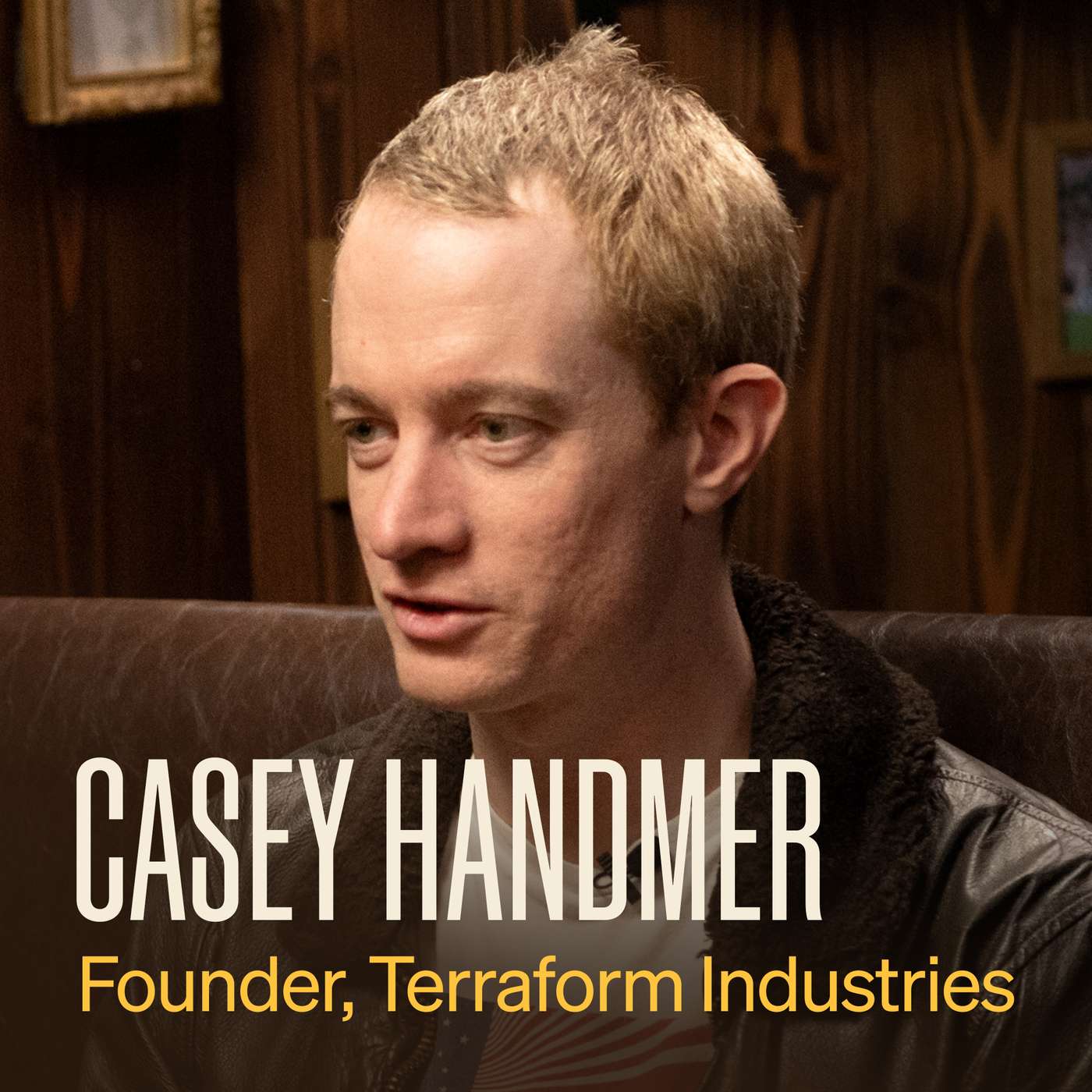
Chef Alison Roman suggests The New York Times had a "don't get too famous" culture, feeling threatened when a creator's personal brand grew too large. This highlights the conflict legacy media faces in cultivating talent they need but cannot fully control.

To mitigate the risk of investing in a single personality, Wenner's strategy is to acquire a creator-led company with the goal of turning it into a brand umbrella, like a "new MTV." This involves building a stable of talent under that brand, transforming a personal show into a scalable media company.
Money, particularly inherited wealth, carries a significant emotional charge. Investment professionals have a profound responsibility for this intimate, human element. Focusing solely on returns neglects the crucial role of managing the feelings, history, and family dynamics attached to the capital.
