Get your free personalized podcast brief
We scan new podcasts and send you the top 5 insights daily.
Being fearless isn't about taking wild chances; it's about operating from the higher brain with a deep understanding of process and value. Recklessness, conversely, is a lower-brain function driven by emotion—promising anything to get a "yes" without substance.

Related Insights
The line between courage and recklessness is acknowledgement. Bravery involves a conscious choice to act despite understanding the risks, usually for a higher purpose. Recklessness ignores or minimizes those same risks, often for a thrill or out of negligence. The key is awareness.

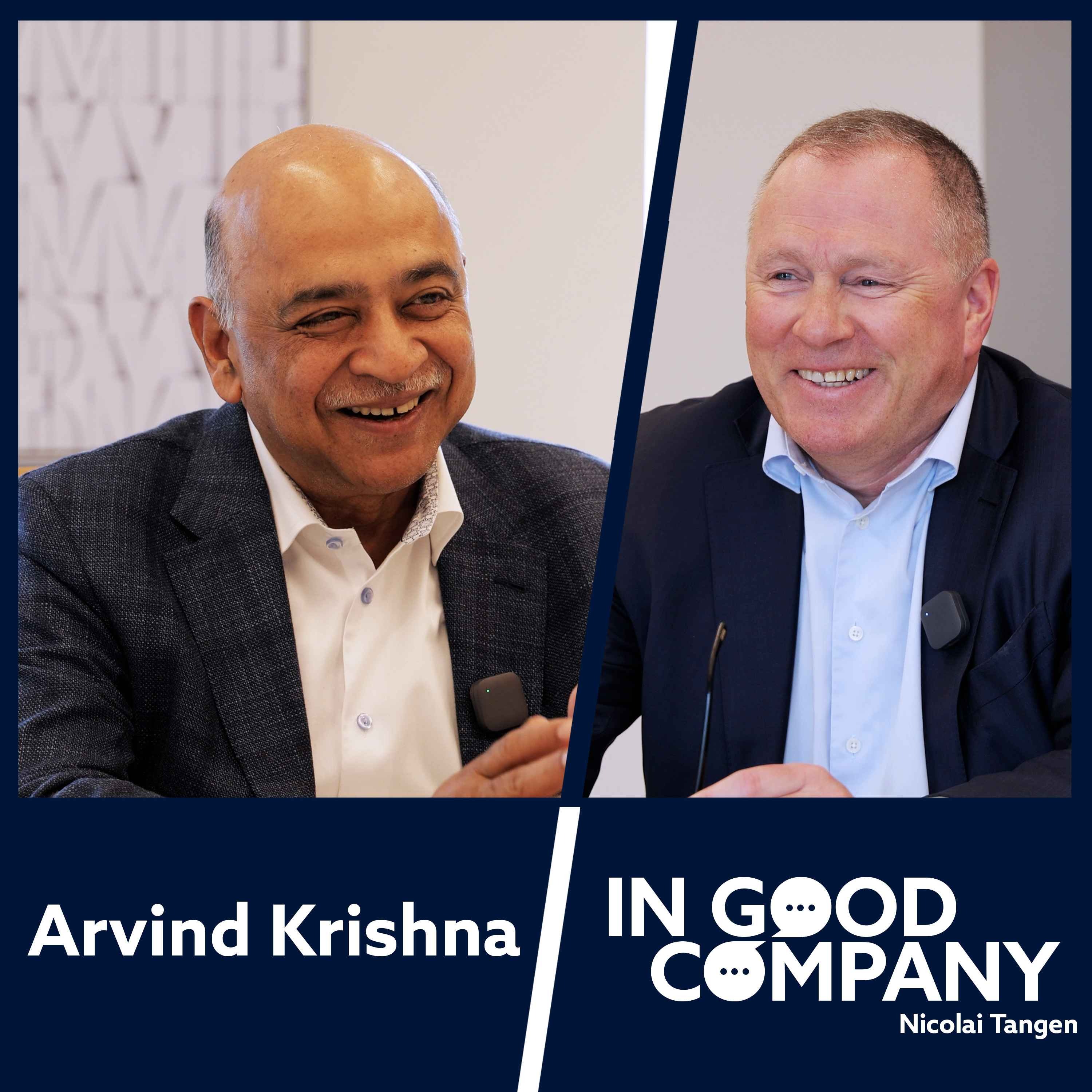
A mentor advised IBM's CEO to 'live in the pleasure of being fired.' This mindset doesn't mean being reckless, but acting without fear of termination. It frees a leader to do what they believe is right for the business, knowing their skills are valuable elsewhere if things go wrong.
True fearlessness comes from not being scared of hitting rock bottom. By mentally embracing the idea of losing everything and having to rebuild from scratch, you detach from the fear of failure. This mindset allows for aggressive, offense-oriented risk-taking while others are playing defense.

Courage isn't the absence of fear but the decision to act despite it. This reframes bravery from a fixed personality characteristic to a skill that can be developed by choosing to lean into fear and not let it dictate actions.

Many professionals believe they must feel confident before taking a risk. However, boldness expert Fred Joyal argues the reverse is true: taking uncomfortable, bold actions is what builds genuine confidence. Confidence is the result of an expanded comfort zone, not a prerequisite for action.
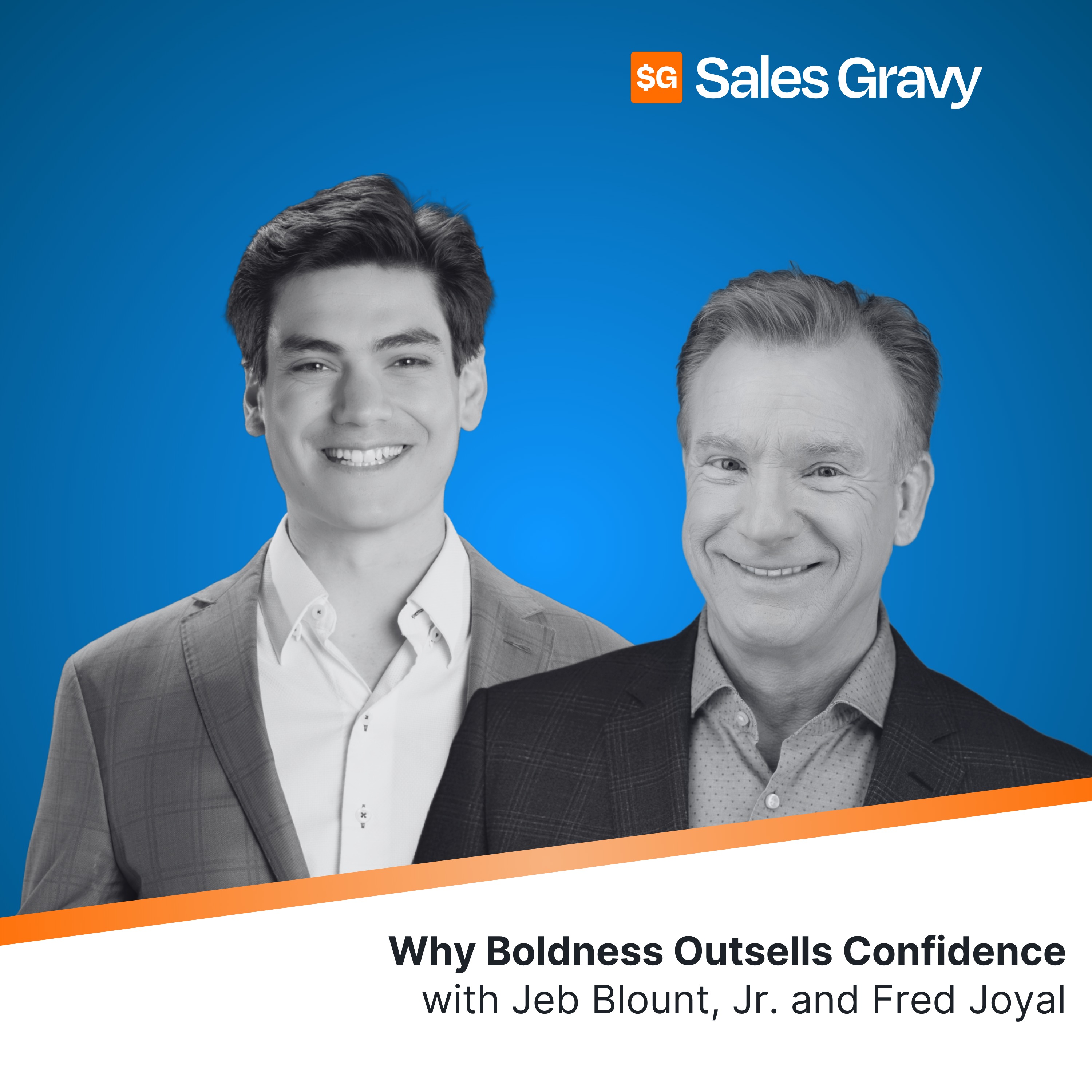
The belief that confidence is a prerequisite for success is a myth. High-achievers consistently feel fear and self-doubt. The key is not to eliminate these feelings but to continue taking action and producing work regardless of them.

People mistakenly wait for confidence before taking action. In reality, confidence is an outcome, not a prerequisite. The necessary first step is courage—the willingness to act despite fear and uncertainty. Confidence is only earned through that courageous action.

Drawing on Aristotle, the key difference between courage and recklessness is thoughtful pragmatism. Courageous acts aren't just bold statements; they are methodical choices designed to be impactful. This requires analyzing the situation to find the path with the maximum possibility of a positive, tangible outcome.
An excessive focus on financial rewards creates fear and risk-aversion. The most successful entrepreneurs are driven by the joy of the process, much like a child building a sandcastle. This detachment from the outcome enables the bold, creative, and resilient decision-making required for massive success.
Waiting to feel 'ready' or confident before starting something new is a trap. Fear is an invitation to move forward, not a stop sign. Courage is taking action despite the fear. The confidence you seek is earned *after* you've taken the leap and learned from the experience.