Get your free personalized podcast brief
We scan new podcasts and send you the top 5 insights daily.
After one host was tricked by AI-generated photos of Taylor Swift, another concludes that nobody—from tech insiders discussing corporate videos to the general public—can tell if anything on the internet is real anymore. This signals a widespread collapse of digital trust, affecting everyone.

Related Insights
The proliferation of AI-generated content has eroded consumer trust to a new low. People increasingly assume that what they see is not real, creating a significant hurdle for authentic brands that must now work harder than ever to prove their genuineness and cut through the skepticism.

For over a century, video has been society's "judge and jury." The rapid rise of convincing AI-generated deepfakes will completely erode this trust within a decade, necessitating a new system for truth verification, likely the blockchain.

Adam Mosseri’s public statement that we can no longer assume photos or videos are real marks a pivotal shift. He suggests moving from a default of trust to a default of skepticism, effectively admitting platforms have lost the war on deepfakes and placing the burden of verification on users.
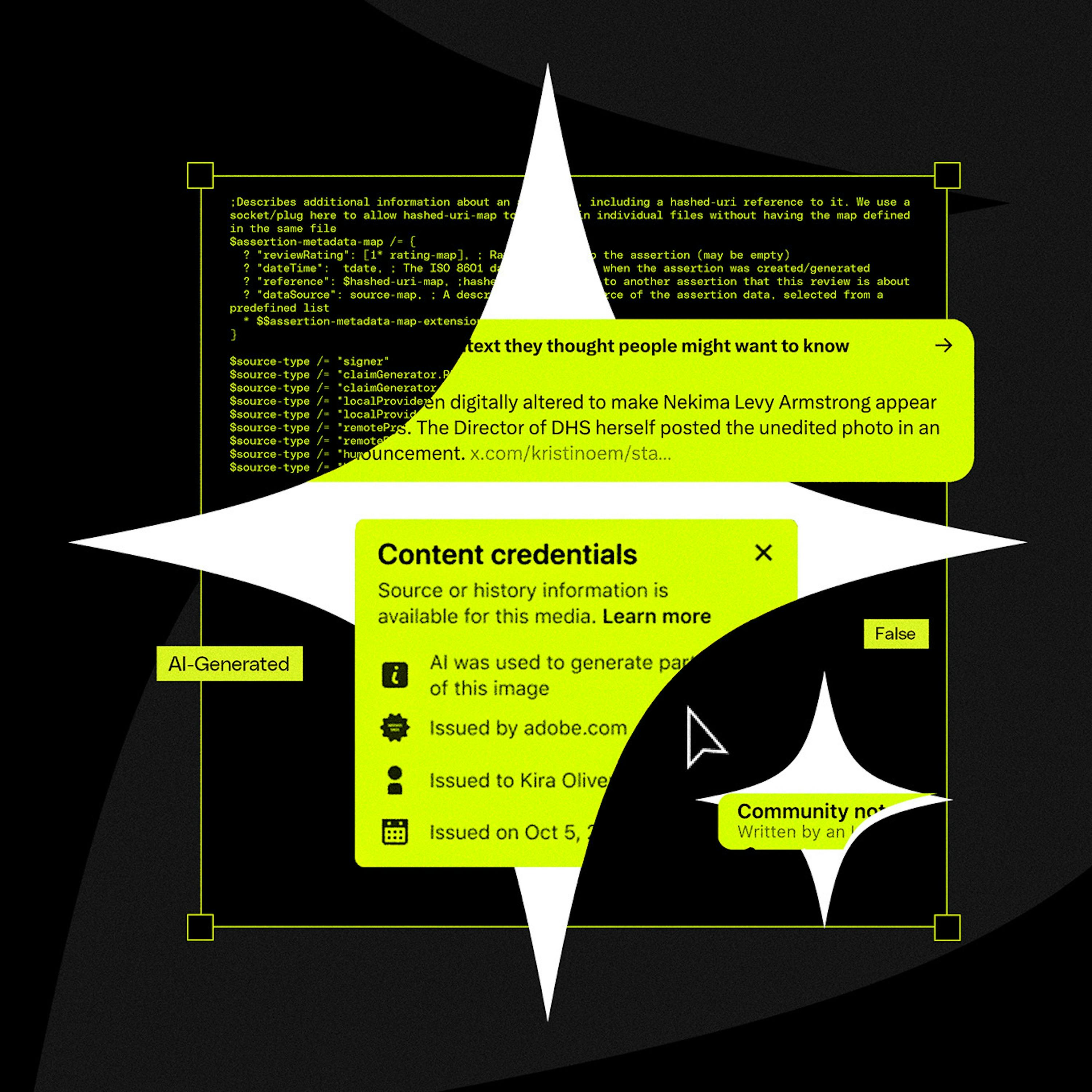
Within five years, viewers will assume most online video is AI-generated, creating profound distrust. This skepticism creates enormous "counter-opportunities" for businesses and creators who can offer provably authentic, tangible, or in-person experiences, which will be valued at a premium.
As AI makes it impossible to distinguish real from fake online content (the 'dead internet theory'), society will be forced to question reality itself. This skepticism is ultimately beneficial, as it will lead people to place a higher value on tangible, verifiable experiences like physical touch, nature, and in-person connection, which cannot be digitally replicated.

As AI begins to create simulations indistinguishable from reality, technological solutions for verification will fail. Survival in this new era depends on developing critical literacy: the human ability to evaluate sources, understand bias, and question all narratives.

The modern media ecosystem is defined by the decomposition of truth. From AI-generated fake images to conspiracy theories blending real and fake documents on X, people are becoming accustomed to an environment where discerning absolute reality is difficult and are willing to live with that ambiguity.

The rapid advancement of AI-generated video will soon make it impossible to distinguish real footage from deepfakes. This will cause a societal shift, eroding the concept of 'video proof' which has been a cornerstone of trust for the past century.
Beyond generating fake content, AI exacerbates public skepticism towards all information, even from established sources. This erodes the common factual basis on which society operates, making it harder for democracies to function as people can't even agree on the basic building blocks of information.
As AI makes creating complex visuals trivial, audiences will become skeptical of content like surrealist photos or polished B-roll. They will increasingly assume it is AI-generated rather than the result of human skill, leading to lower trust and engagement.
