Get your free personalized podcast brief
We scan new podcasts and send you the top 5 insights daily.
Instead of viewing constraints like single parenthood or limited resources as obstacles, see them as crucibles for growth. Severe limitations force you to "bend time," sharpen ingenuity, and develop elite problem-solving skills out of necessity, much like a chef creating a masterpiece from only five ingredients.

Related Insights
Our brains are wired to follow the path of least resistance. Imposing constraints, such as limiting resources or blocking familiar solutions, is the only way to force the brain to abandon convenience and engage in truly creative problem-solving.

Being born into difficult circumstances is not a disadvantage but a specific "curriculum." Hardship forces you to discover your inner mastery and creative capacity in a way that cannot be learned when life is easy. There is a different, profound learning experience when you find something for yourself versus when it is handed to you.
Don't view limitations like budget cuts or recessions as purely negative. As architect Norman Foster told Guidara, constraints force you to be your most creative. Moments of adversity are when groundbreaking, efficient, and impactful ideas are often born out of necessity.

Building a startup with severe personal time constraints, such as raising young children, is a crucible that forges essential skills. It forces you to learn ruthless prioritization and delegation—'superpowers' that unconstrained founders often neglect, leading to greater long-term effectiveness.

Founder Adrian Solgaard believes extreme constraints, like having only €637 left, force entrepreneurs to cut through distractions and hyper-focus. This pressure cooker environment, where survival is the only goal, is where the most magical, focused work happens.

Stanford designer Dave Evans advises that constraints (family, finances, location) are not obstacles to be transcended but helpful boundaries. They narrow the field of what you have to worry about, focusing the design task on making the most of what is possible within your reality, rather than trying to "beat gravity."

Examples from NASA to Amazon show that constraints boost creativity. When a NASA team had its budget and timeline halved, it was forced to use off-the-shelf parts instead of building from scratch. Constraints block the brain's default 'path of least resistance.'

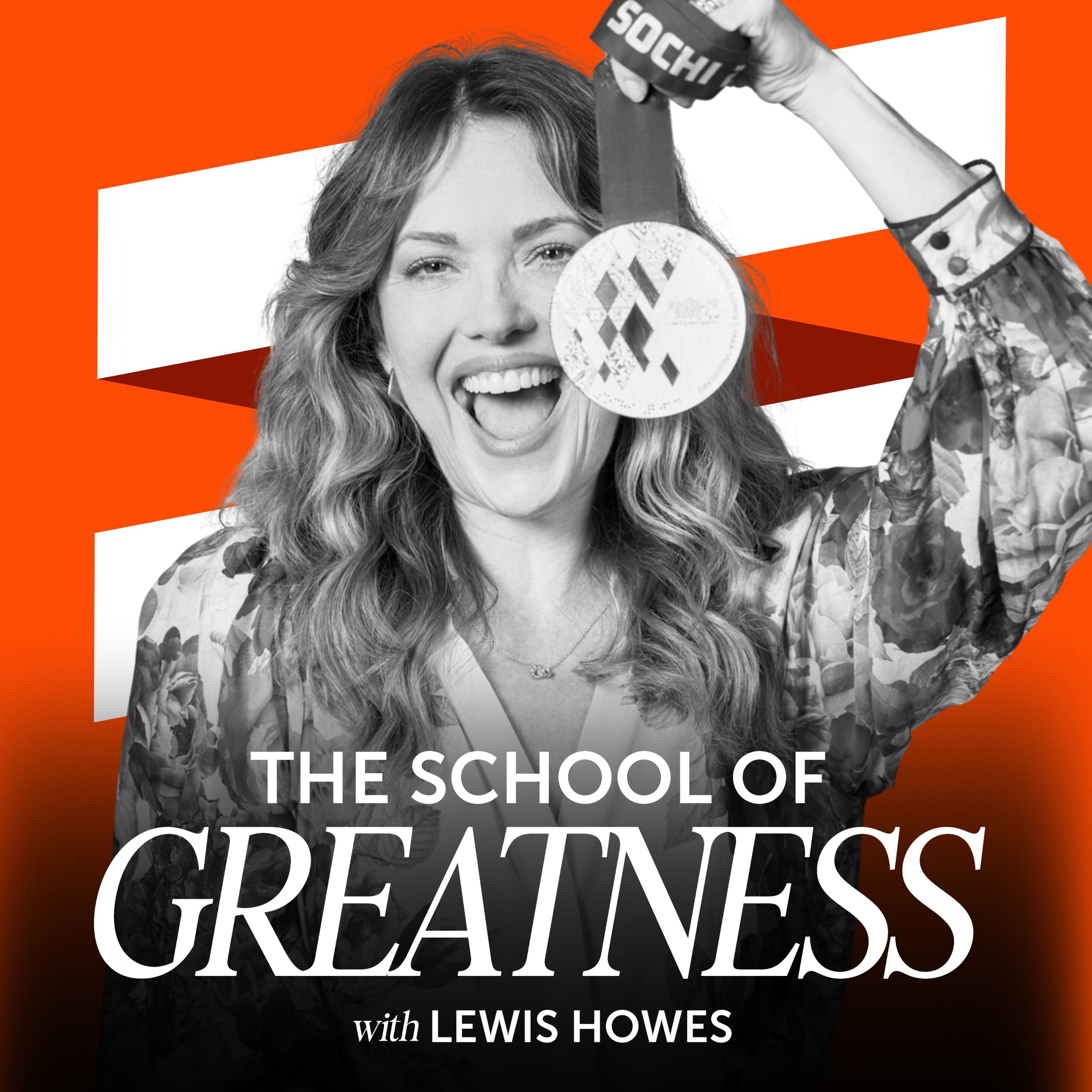
One of Amy Purdy's three core life "truths" is that limitations are not meant to hinder you. Instead, they should be viewed as solid ground from which you can push off to propel yourself forward and achieve amazing things, turning adversity into momentum.
The "Green Eggs and Ham effect" shows that removing the easiest, most familiar solution forces the brain to explore novel paths. Dr. Seuss wrote his famous book on a bet using only 50 unique words, which compelled him to innovate with rhythm instead of vocabulary, a powerful lesson for creative problem-solving.

Philosopher Bernard Suits defines a game as the "voluntary attempt to overcome unnecessary obstacles." Applying this "lucery attitude" to work constraints (like a tight budget or deadline) reframes them from frustrating barriers into meaningful challenges that foster ingenuity and purpose.
