Get your free personalized podcast brief
We scan new podcasts and send you the top 5 insights daily.
The DOJ's investigation into Nvidia's $20B Grok deal highlights a widespread Big Tech strategy. By structuring talent and technology acquisitions as "non-exclusive licensing agreements," companies like Nvidia, Google, and Meta can consolidate resources and market power while avoiding the automatic regulatory review triggered by traditional mergers.

Related Insights
Anticipating years of antitrust scrutiny for any major acquisition, tech giants are now opting for massive, multi-billion dollar IP licensing deals. This structure allows them to acquire talent and technology almost instantly, bypassing regulatory roadblocks that kill traditional M&A.
Meta structured its deal for Scale AI's team as an investment for non-voting stock, not a direct purchase. This clever approach avoided double taxation for the seller while also circumventing the HSR antitrust approval process, allowing the deal to close faster by framing it as a talent hire rather than a business combination.

To win the AI arms race, companies like Nvidia are using creative deal structures, such as IP licensing instead of traditional acquisitions. This approach, seen in the Grok deal, bypasses lengthy regulatory reviews, enabling them to integrate teams and technology in weeks instead of months or years.

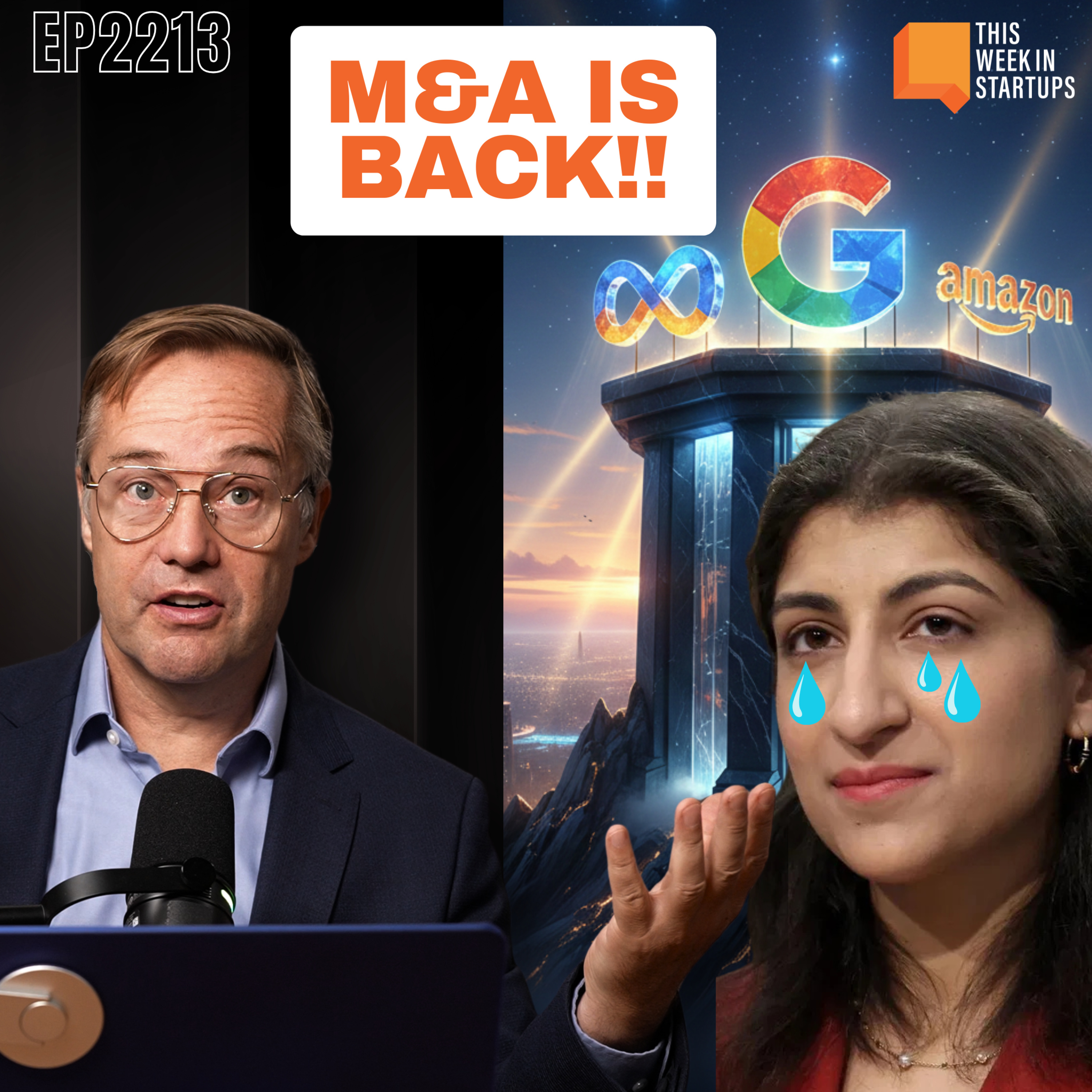
Recent antitrust lawsuits against Meta and Google resulted in minimal consequences ("nothing burgers"), signaling a more permissive regulatory environment. Combined with anticipated economic stimulus, this creates ideal conditions for a wave of large-scale M&A ($25B-$250B) among major tech companies in the coming year.
Nvidia paid $20 billion for a non-exclusive license from chip startup Groq. This massive price for a non-acquisition signals Nvidia perceived Groq's inference-specialized chip as a significant future competitor in the post-training AI market. The deal neutralizes a threat while absorbing key technology and talent for the next industry battleground.
NVIDIA's deal with chip startup Grok, which includes hiring 90% of its staff and a massive valuation payout, is structured as a licensing agreement. This is a transparent maneuver to function as an acquihire and neutralize a competitor while avoiding the intense antitrust scrutiny a direct acquisition would trigger.

Nvidia's non-traditional $20 billion deal with chip startup Groq is structured to acquire key talent and IP for AI inference (running models) without regulatory hurdles. This move aims to solidify Nvidia's market dominance beyond chip training.
NVIDIA's deal with Poolside, involving a massive licensing fee and hiring engineers while founders remain, represents a new M&A strategy. It allows them to absorb key talent and technology for their open-model ambitions without a full, complex acquisition, accelerating their competitive roadmap.
NVIDIA's $20B licensing deal for Grok's technology represents a new M&A playbook. These deals allow rapid acquisition of talent and IP without the lengthy regulatory scrutiny from agencies like the FTC that traditional mergers face, though they may have less favorable tax implications like ordinary income.
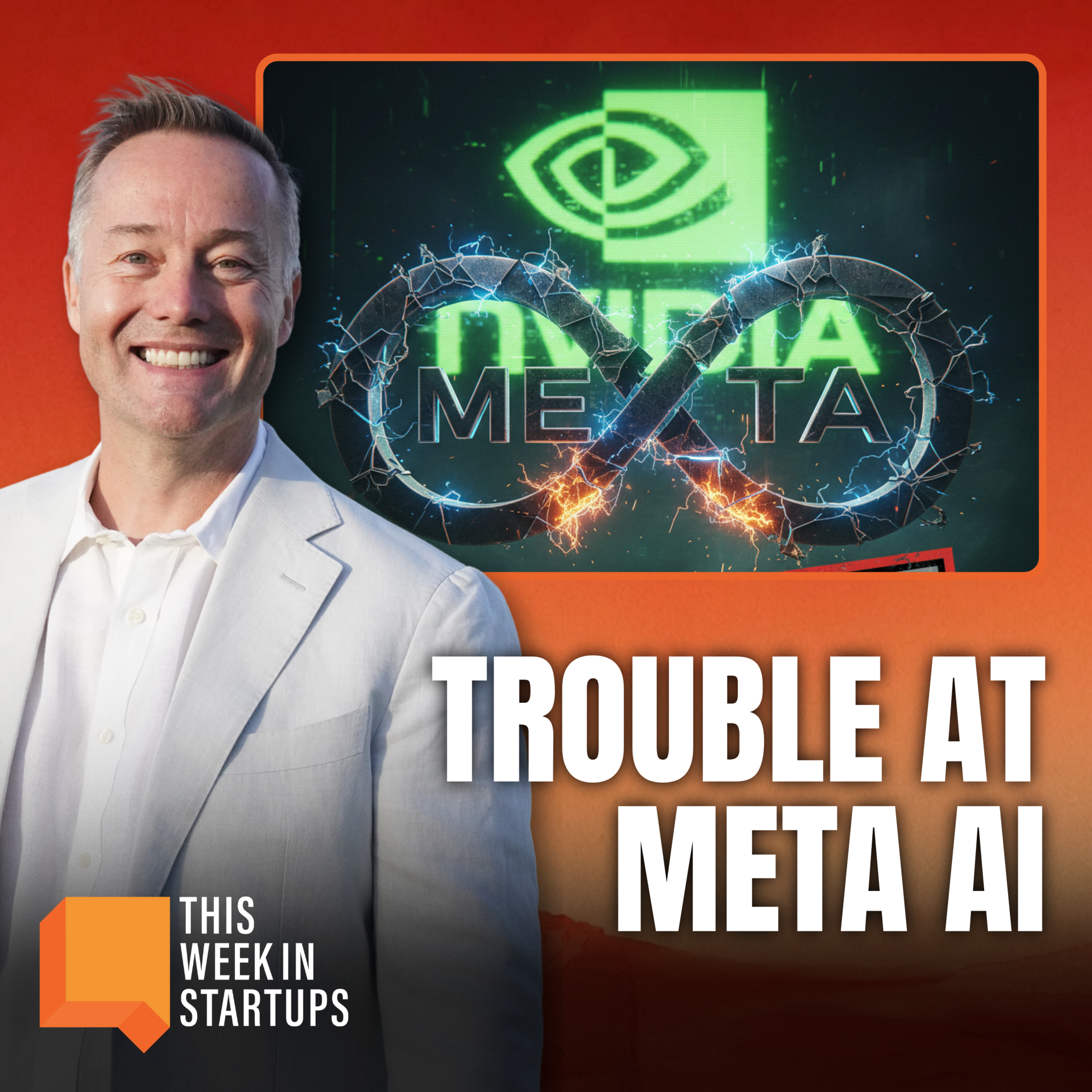
Despite NVIDIA's new Rubin chip boasting 10x inference improvements, the acquisition of Grok's team was not redundant. It was a strategic move to acquire a world-class team with rare expertise in SRAM innovation—a skill set outside NVIDIA's core wheelhouse—effectively a $20 billion acqui-hire for unique talent.