Get your free personalized podcast brief
We scan new podcasts and send you the top 5 insights daily.
Pincus observes an "inversion of service" where affluent customers often prefer efficiency and autonomy (e.g., ordering Uber Eats to a private jet) over traditional high-touch service that involves forced pleasantries and wasted time.

Related Insights
The highest form of luxury service isn't overt; it's the systematic removal of friction. Like The Ritz-Carlton's policy of only entering customer data once, the goal is to make interactions so seamless that the customer doesn't even notice the underlying effort.

Professional line-waiting services, charging significant hourly rates for tasks like waiting for sample sales, demonstrate a growing market for time itself. This trend reveals that affluent consumers are increasingly willing to pay a high premium to "buy back" their time, creating a new gig economy niche based on patience and availability.

The quality of interaction trumps the medium. Customers will choose a highly-trained, instantly responsive AI agent that solves their problem over a human who is slow, new to the account, or provides a subpar experience. This establishes a new bar for customer service.

Despite technology being available, Starbucks rolled back in-store automation after finding it was a mistake. Management discovered that human touches like handwritten notes and more baristas drove higher customer satisfaction and longer stays, demonstrating a clear market preference for human experience over mechanized efficiency.

Contrary to the perception of luxury service, many private flyers value privacy above all else. They frequently prefer not to have a flight attendant on board, even when offered at no cost, to create a more personal and confidential environment during their travel.
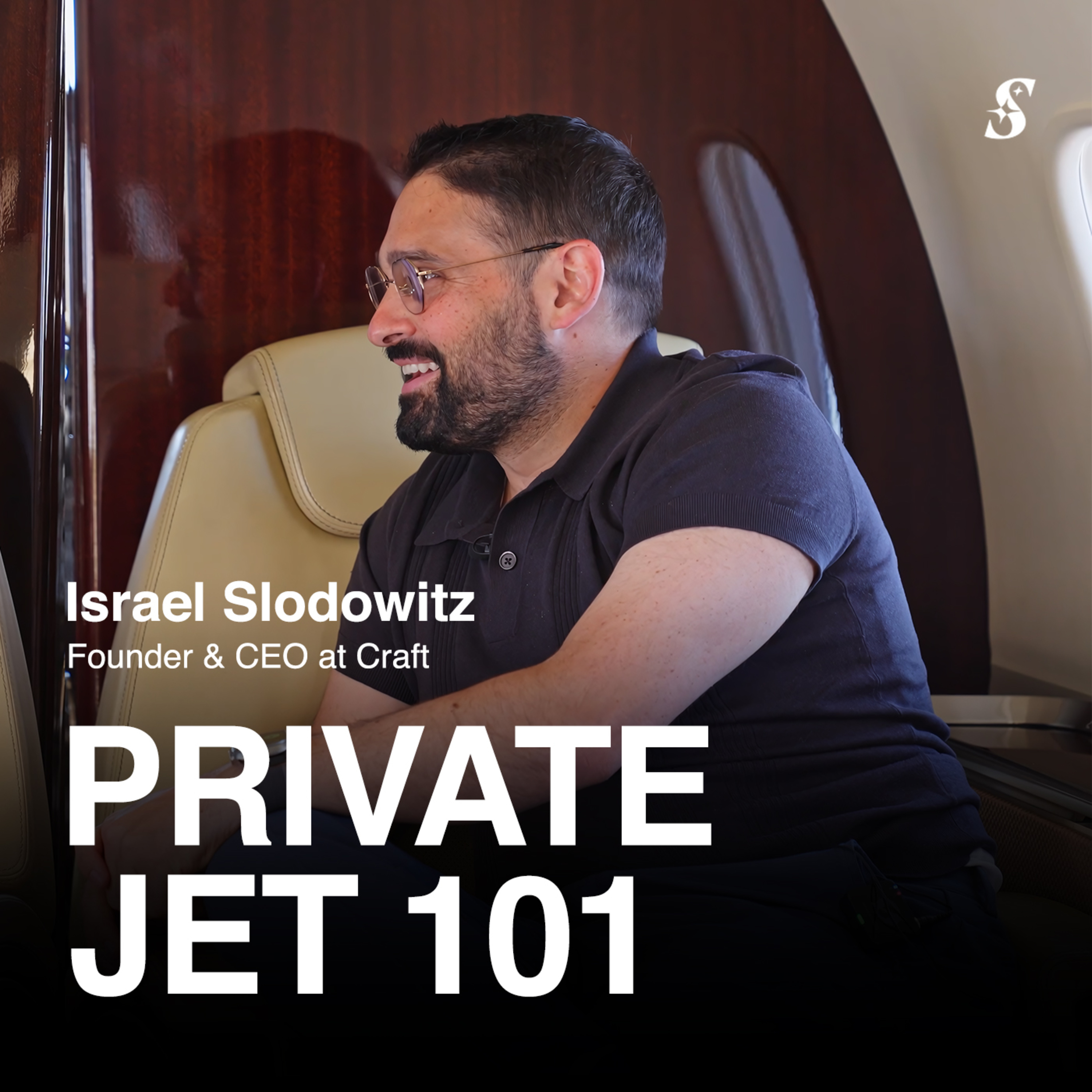
Many brands invest heavily in "customer delight," but research shows the greatest predictor of loyalty is actually reducing customer effort. Customers prioritize speed, convenience, and simplicity over manufactured "wow" moments or even building a relationship with a brand.

Driven by demands for convenience, contactless culture, and automation, businesses are moving beyond traditional service counters. The rise of vending machines for diverse products like prescriptions, cars, and champagne signifies a broader economic shift toward a self-service "kiosk economy."
The common practice of offering "premium" human-only support is counterintuitive. These customers often wait longer for a response compared to lower-tier users who receive instant, accurate answers from an AI agent, resulting in a poorer overall experience.

The success of services like Uber isn't just about saving time; it's about the *perception* of convenience and control. A user might wait longer for an Uber than it would take to hail a cab, but the feeling of control from ordering on an app is so powerful that it overrides the actual loss of time. This psychological element is key.

As AI automates services for the mass market, direct interaction with a human expert will become a premium, high-value offering. For example, financial firms may use AI to serve less affluent clients, while the wealthy retain access to human advisors, cementing human-to-human contact as a status symbol.