Get your free personalized podcast brief
We scan new podcasts and send you the top 5 insights daily.
Palantir is both a high-performing software company and a dangerously overvalued "meme stock." It trades at multiples (125x sales) completely disconnected from its underlying financials. This dual identity makes it a risky short, as its valuation is driven by retail investor sentiment rather than traditional metrics.

Related Insights
Today's massive AI company valuations are based on market sentiment ("vibes") and debt-fueled speculation, not fundamentals, just like the 1999 internet bubble. The market will likely crash when confidence breaks, long before AI's full potential is realized, wiping out many companies but creating immense wealth for those holding the survivors.

Traditional valuation metrics ignore the most critical drivers of success: leadership, brand, and culture. These unquantifiable assets are not on the balance sheet, causing the best companies to appear perpetually overvalued to conventional analysts. This perceived mispricing creates the investment opportunity.

During the bubble, a lack of profits was paradoxically an advantage for tech stocks. It removed traditional valuation metrics like P/E ratios that would have anchored prices to reality. This "valuation vacuum" allowed investors' imaginations and narratives to drive stock prices to speculative heights.

Frontline individuals like soldiers and retail investors have a clearer understanding of value because they see data in an unfiltered way. This contrasts with "expert" classes like analysts and journalists, who are insulated from reality and have consistently been wrong about substantive trends for the last 20 years.
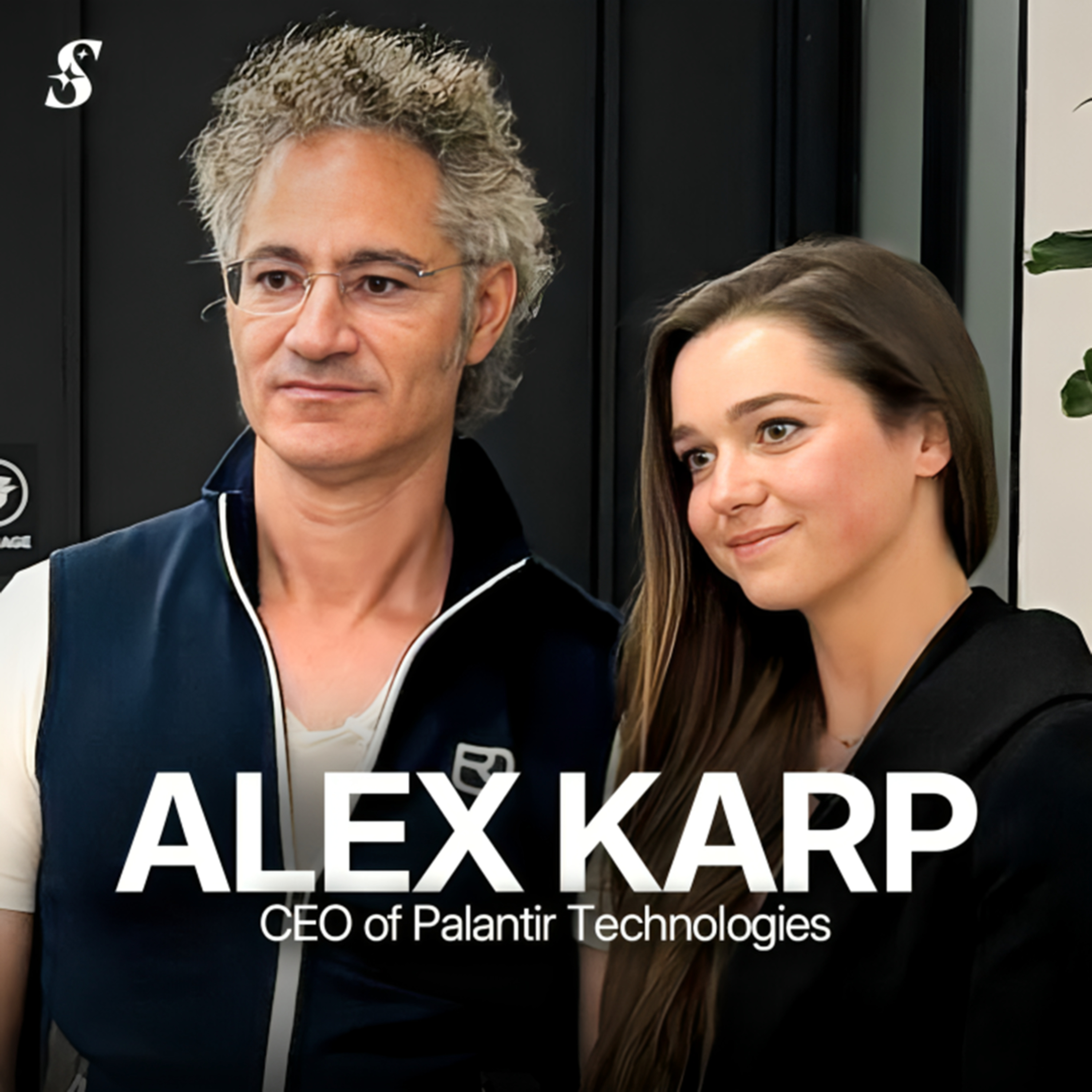
Palantir commands a massive valuation premium because it is both well-run and unique, with no clear alternatives. This lack of competition dramatically reduces churn risk and increases the durability of future cash flows, justifying a higher multiple than other software companies that operate in more crowded markets.
The recipe for a modern meme stock has two core ingredients: a troubled financial situation and deep nostalgia value. This combination, seen in companies like GameStop and Bed Bath & Beyond, creates the emotional pull needed for retail investors to rally behind a failing brand, turning it into a speculative asset.

The startup landscape now operates under two different sets of rules. Non-AI companies face intense scrutiny on traditional business fundamentals like profitability. In contrast, AI companies exist in a parallel reality of 'irrational exuberance,' where compelling narratives justify sky-high valuations.

Companies like Tesla and Oracle achieve massive valuations not through profits, but by capturing the dominant market story, such as becoming an "AI company." Investors should analyze a company's ability to create and own the next compelling narrative.

Companies like Circle (stablecoins) and Securitize (tokenization) become the only public market vehicle for a specific macro trend. This unique position causes their stock to trade based on the narrative and investor demand for exposure, decoupling their valuation from traditional financial metrics.

Philosopher Jean Baudrillard's theory of "simulacra"—where representations become independent of reality—perfectly models the meme stock phenomenon. The stock's price becomes a "third-order simulacrum," taking on a life of its own driven by narrative, detached from the company's actual performance.
