Get your free personalized podcast brief
We scan new podcasts and send you the top 5 insights daily.
In large pharma, headquarters roles are competitive. Seeking general manager positions in smaller or less "desirable" international markets provides early, autonomous P&L experience, accelerating a career path toward executive leadership.

Related Insights
A mentor at Celgene advised that the best path to becoming its CFO was to leave and first become a public company CFO elsewhere. Large companies often prefer external candidates with proven executive track records for top roles, a credential that is difficult to gain by climbing the internal ladder.

Leading a smaller, cash-strapped company forces an executive to "turn over every stone" and understand the entire business. This hands-on, frugal mindset proves invaluable when later applied at the scale of a giant like Boehringer Ingelheim.

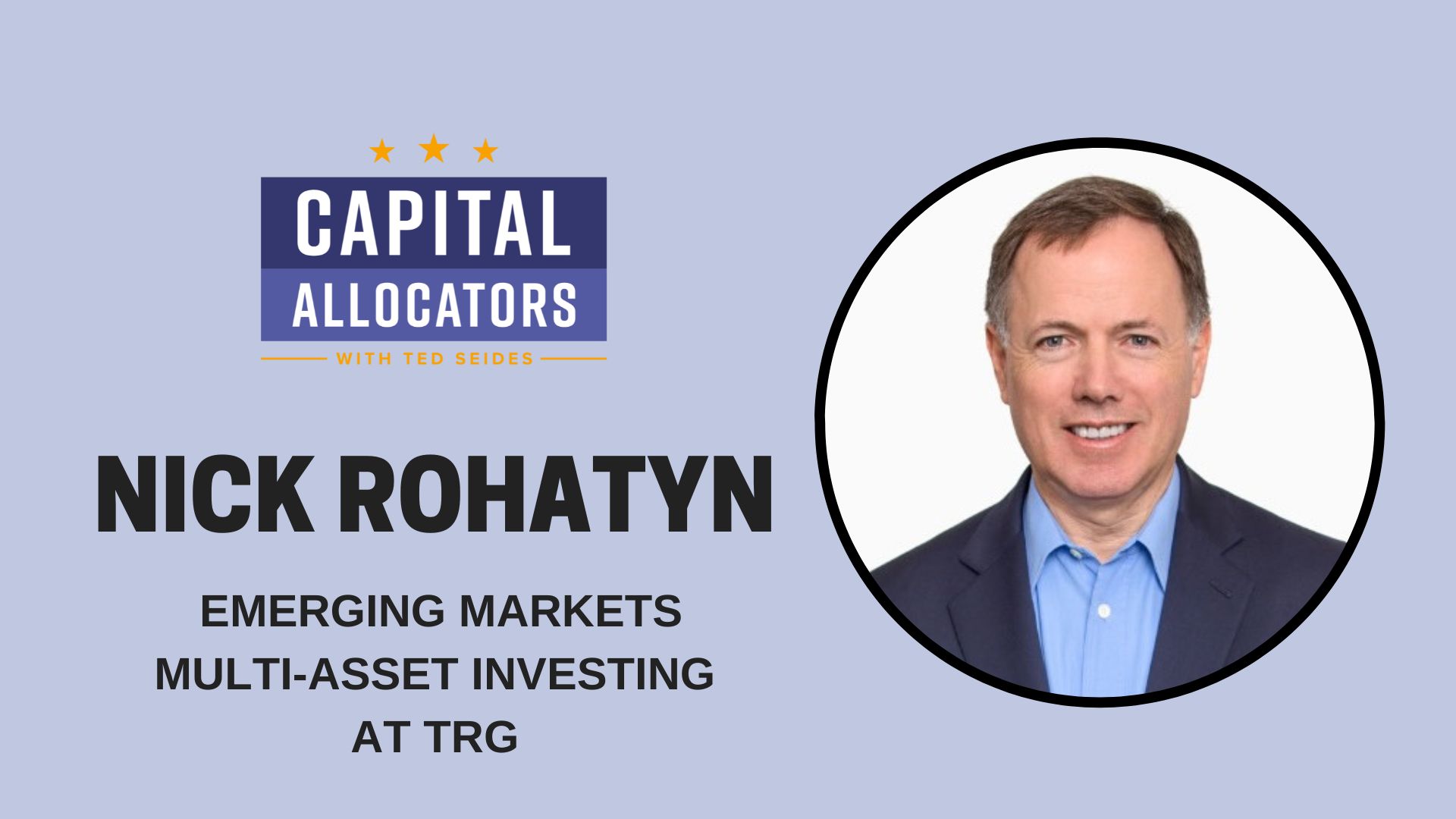
Volunteering for a role in a less popular location, like Japan in the 1980s, can provide unparalleled experience. Nick Rohatyn gained ten years of experience in four, managing 50 people by age 28, because he went where others wouldn't, proving opportunity lies off the beaten path.
Contrary to startup culture, the best training for biotech leadership is gaining broad, cross-functional experience in a large, structured pharmaceutical company. This foundation provides the necessary depth and breadth to navigate the complexities of leading a smaller, resource-constrained biotech later on.

When entering a new region or industry without a network, accepting a role slightly below your experience level is a powerful strategy. It lowers the barrier to entry and allows you to quickly prove value, earn trust, and ultimately get promoted faster than if you had held out for a more senior role from the start.

Starting in business development at a large firm like Genentech provides a holistic understanding of the entire drug lifecycle—from discovery and regulation to clinical trials and marketing. This "full spectrum" view offers invaluable training for a future CEO.
Early in your career, prioritize gaining a breadth of experience across different functions and geographies. These lateral moves, which may not feel like progress at the time, build the comprehensive skill set needed for senior leadership roles.

Managing a business in a volatile emerging market like Ukraine exposes leaders to constant unpredictability. This experience directly translates to navigating the scientific and financial instability inherent in leading an early-stage biotech company.
Jason Tardio's experience as a general manager in South America, where he ran a P&L and rebuilt the business, was a pivotal CEO training ground. This role, managing all functions and driving a turnaround, provided a condensed simulation of the responsibilities of a company's top leader.

To become a successful non-founder CEO, you need a holistic view of the business. Intentionally gain hands-on experience in every major function—sales, product, support, M&A—not just your area of expertise. This builds empathy and systemic understanding.