Get your free personalized podcast brief
We scan new podcasts and send you the top 5 insights daily.
PG-rated movies have surged because they offer a rare, guilt-free screen time solution for modern parents facing unique pressures. Cheaper than a babysitter and providing a shared family experience, these films have become an essential service, not just entertainment, for parents who "need help."

Related Insights
Parents blaming technology for their children's screen habits are avoiding self-reflection. The real issue is parental hypocrisy and a societal lack of accountability. If you genuinely believe screens are harmful, you have the power to enforce limits rather than blaming the technology you often use for your own convenience.

Hollywood's current crisis is self-inflicted, stemming from a decades-long failure to adapt its business models and economics. Instead of innovating to compete with tech-driven services like Netflix, the industry persisted with inefficient structures and is now blaming disruptors for inevitable consumer-driven changes.

As life commitments increase, gaming's purpose can shift from competitive achievement to being a crucial tool for maintaining social connections. It becomes a reliable weekly ritual for friends to connect, talk, and have "group therapy sessions" in a shared virtual space.

The cultural conversation around parenting and domestic labor is outdated. Data shows Millennial fathers perform three times the amount of childcare as their Boomer predecessors. This massive, unacknowledged shift in domestic roles means many media and political narratives fail to reflect the reality of modern, dual-income family structures.
As major studios pull back from theatrical releases, a new opportunity emerges for cinemas. They can pivot from showing new blockbusters to becoming "revival houses" that program classic, niche, and cult films. This caters to audiences seeking curated, communal experiences beyond at-home streaming, as seen with the rise of anime screenings.

Contrary to the belief that people seek escapism during turbulent times, research shows a surge of interest in scary entertainment following real-life traumatic events. For example, after a campus murder, students in the victim's dorm were most likely to choose to watch a violent movie, suggesting a need to process and understand the threat.
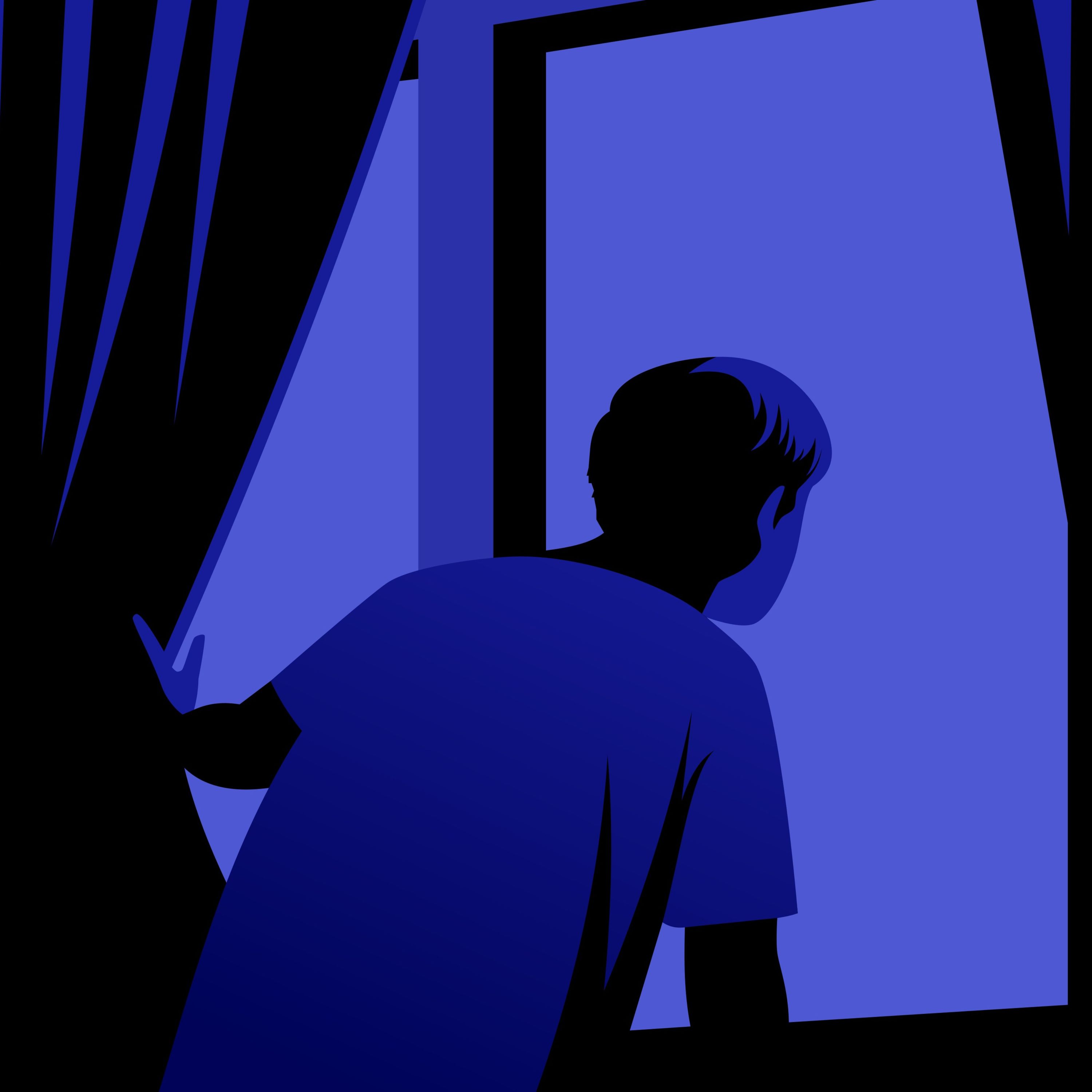
Horror can act as a tool for managing generalized anxiety. It hijacks the mind's vigilance cycle, which looks for a threat but can't find one, and provides a specific, identifiable, and controllable fictional threat on screen. Once the movie ends, the threat disappears, triggering the body's relaxation response and calming the nervous system.
Increased economic disparity makes parents intensely anxious about their children's future success. This fear drives them to over-schedule and micromanage their kids' lives, focusing on resume-building activities rather than free play, which contributes to a more stressful childhood.

To prepare children for an AI-driven world, parents must become daily practitioners themselves. This shifts the focus from simply limiting screen time to actively teaching 'AI safety' as a core life skill, similar to internet or street safety.

Society is experiencing a 'generational whiplash' in parenting. A reaction against strict methods led to a culture of 'eighth-place trophies,' producing adults ill-equipped for real-world consequences. A counter-movement is now emerging where parents are reintroducing competition and accountability to better prepare their children for life's challenges.