Get your free personalized podcast brief
We scan new podcasts and send you the top 5 insights daily.
China's emergence as a top producer of caviar and truffles is part of a broader national strategy. The goal is to develop advanced agricultural technologies that ensure self-sufficiency, create domestic alternatives to foreign goods, and can be exported to other nations, particularly in the Global South.

Related Insights
From China's perspective, producing more than it needs and exporting at cutthroat prices is a strategic tool, not an economic problem. This form of industrial warfare is designed to weaken other nations' manufacturing bases, prioritizing geopolitical goals over profit.
The strategic competition with China is often viewed through a high-tech military lens, but its true power lies in dominating the low-tech supply chain. China can cripple other economies by simply withholding basic components like nuts, bolts, and screws, proving that industrial basics are a key geopolitical weapon.

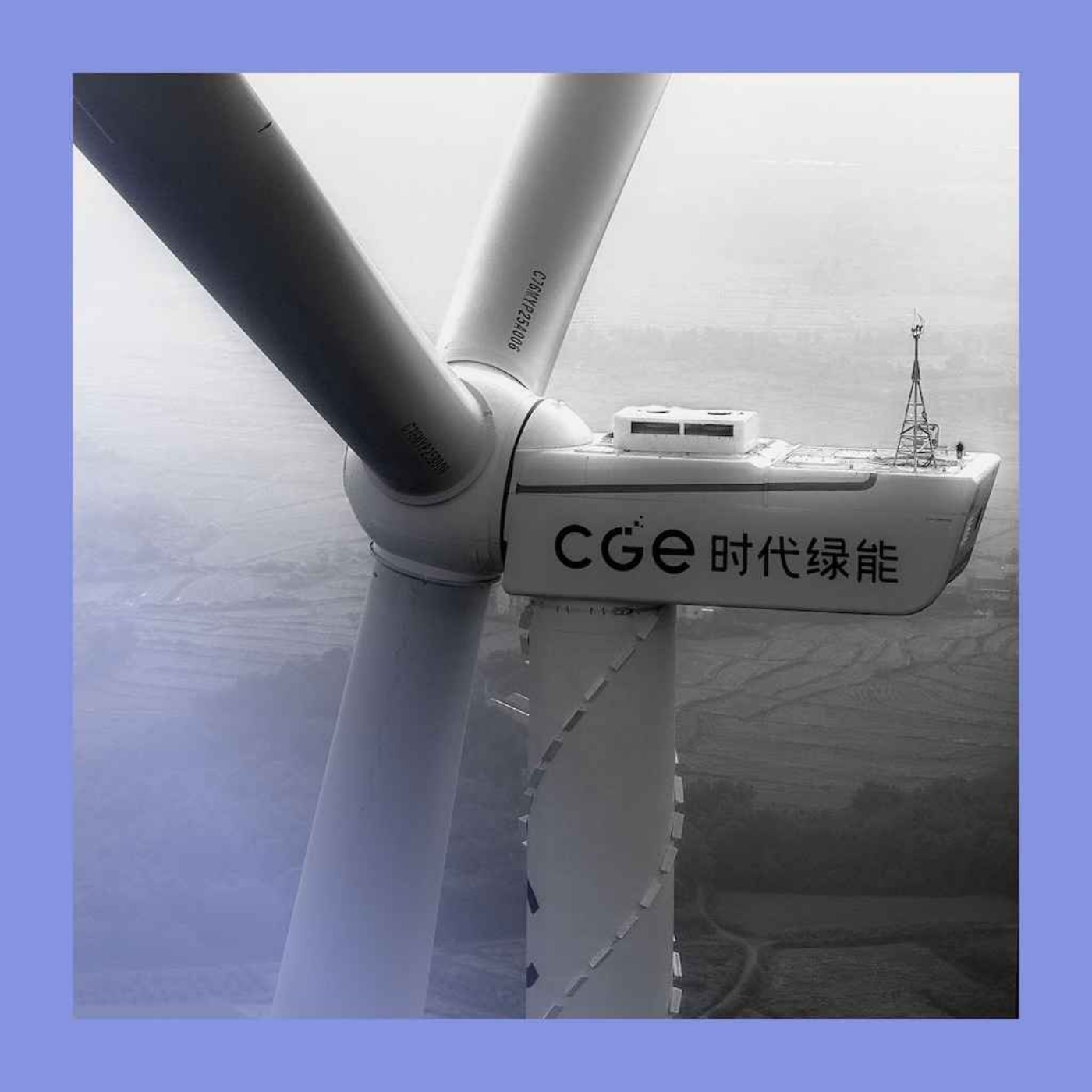
China's investment in green technology is driven less by environmentalism and more by strategic goals. By dominating renewables and EVs, China reduces its dependence on foreign oil—a key vulnerability in a potential conflict with the US—while building global soft power and boosting its GDP through green tech exports.
The debate over food's future is often a binary battle between tech-driven "reinvention" (CRISPR, AI) and a return to traditional, organic "de-invention." The optimal path is a synthesis of the two, merging the wisdom of ancient farming practices with the most advanced science to increase yields sustainably without degrading the environment.

China's foreign policy is shaped by its 5,000-year history as a land-based, agricultural civilization, rather than a maritime or expansionist one. This cultural foundation, valuing cultivation of one's own land over foreign conquest, is presented as the reason China has not started wars or colonized other nations in modern history.

China’s economic strategy prioritizes technology and manufacturing competitiveness, assuming this will create a virtuous cycle of profits, jobs, and consumption. The key risk is that automated, high-tech manufacturing may not generate enough jobs to significantly boost household income, causing consumer spending to lag behind industrial growth.

European consumers may be unaware that China is a critical part of their food supply chain. For example, most of the world's porcini mushrooms originate from China's Yunnan province and are exported as dried powder to Europe for use in products like risotto mixes, filling a key supply gap.
China is restricting exports of essential rare earth minerals and EV battery manufacturing equipment. This is a strategic move to protect its global dominance in these critical industries, leveraging the fact that other countries have outsourced environmentally harmful mining to them for decades.

China's economy presents a stark contrast: a collapsing domestic property market versus a remarkably resilient export sector. Despite tariffs, exports remain strong because China continues to improve product quality and price competitiveness, maintaining global manufacturing dominance.
Beyond raw materials, China's national ambition is to achieve near-total self-sufficiency. The prevailing mood is that there is "nothing for which it wants to rely on foreigners a single day longer than it has to." This philosophy of aggressive import substitution signals a fundamental break with the logic of reciprocal global trade.
