Get your free personalized podcast brief
We scan new podcasts and send you the top 5 insights daily.
Every layer of the AI supply chain is constrained, from energy and data centers to turbines, transformers, and rare earth minerals. This is a shift from software limitations to hard physical constraints. As a result, the price of intelligence may stop decreasing and could even rise.

Related Insights
The AI industry's primary constraint is shifting from chip manufacturing to energy generation and grid capacity. Building power infrastructure is far slower and more complex than producing semiconductors, creating a significant long-term growth bottleneck.

The demand for AI is rapidly outstripping the capacity of physical infrastructure. Data center growth is colliding with limitations in power grids, water access, and permitting, making these real-world resources the ultimate gatekeepers for the expansion of AI capabilities.

The primary constraint on AI development is not software or algorithms but the physical infrastructure required to support it: power, data centers, and supply chains. Policy will focus on this area regardless of election outcomes, though the specific approach may differ.

The focus in AI has evolved from rapid software capability gains to the physical constraints of its adoption. The demand for compute power is expected to significantly outstrip supply, making infrastructure—not algorithms—the defining bottleneck for future growth.

Pat Gelsinger contends that the true constraint on AI's expansion is energy availability. He frames the issue starkly: every gigawatt of power required by a new data center is equivalent to building a new nuclear reactor, a massive physical infrastructure challenge that will limit growth more than chips or capital.

While the world focused on GPU shortages, the real constraint on AI compute is now physical infrastructure. The bottleneck has moved to accessing power, building data centers, and finding specialized labor like electricians and acquiring basic materials like structural steel. Merely acquiring chips is no longer enough to scale.

While data was once a major constraint for training AI, models can now effectively create their own synthetic data. This has shifted the critical choke points in the AI supply chain to physical infrastructure like power grids and data center construction, which are now the primary limiters of growth.

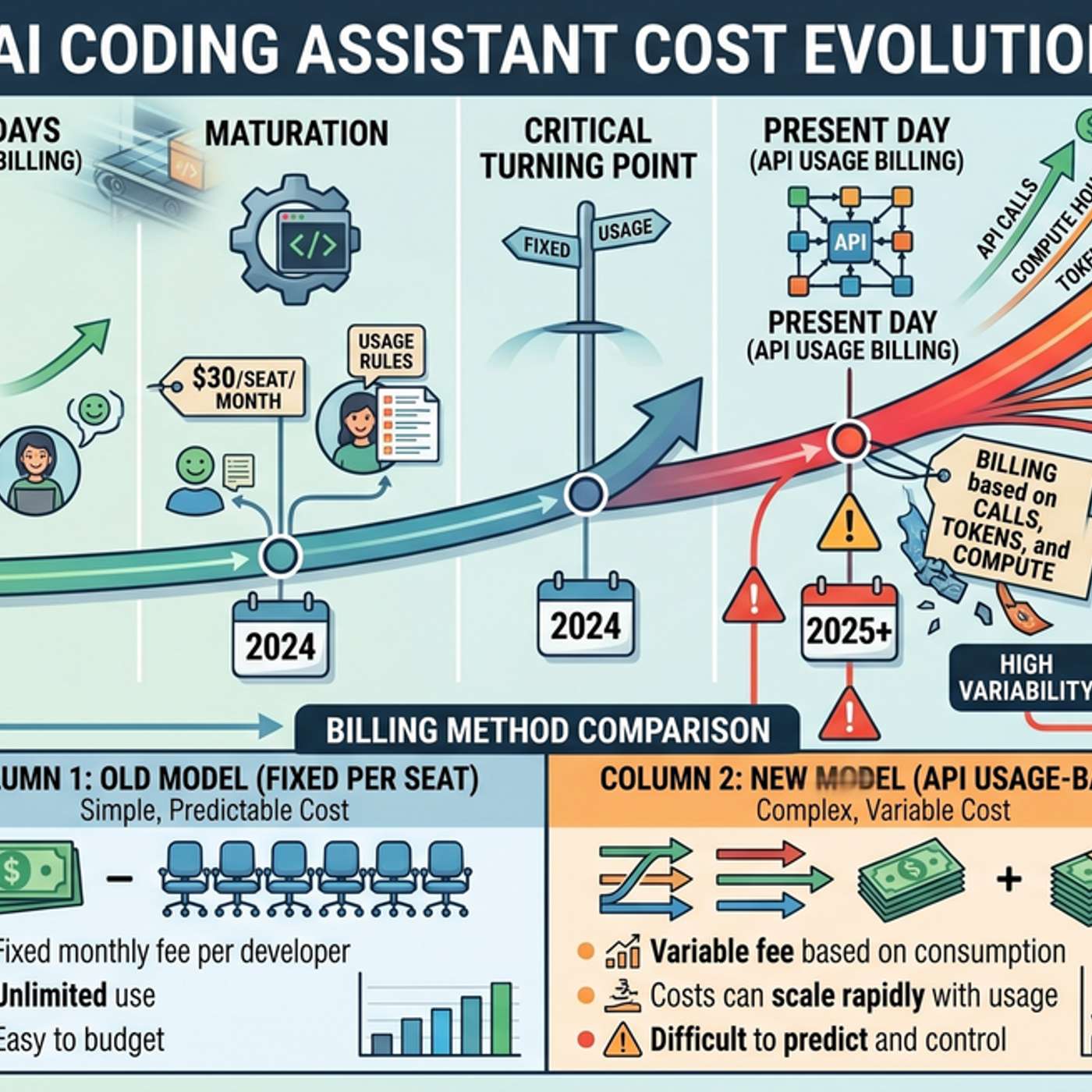
Rising AI API costs are not merely a vendor strategy but a direct result of real-world bottlenecks. These include surging electricity prices for data centers, a structural shortage of high-bandwidth memory (HBM), and constrained hardware supply chains, which are fundamentally altering the cost basis for AI compute.
While NVIDIA may solve the chip shortage, the true limiting factors for AI's growth are physical-world constraints. The US currently lacks sufficient electricity, rare earth minerals, manufacturing capacity, and even power transformers to support the massive, energy-intensive demands of AI.
The primary constraint on the AI boom is not chips or capital, but aging physical infrastructure. In Santa Clara, NVIDIA's hometown, fully constructed data centers are sitting empty for years simply because the local utility cannot supply enough electricity. This highlights how the pace of AI development is ultimately tethered to the physical world's limitations.
