Get your free personalized podcast brief
We scan new podcasts and send you the top 5 insights daily.
Distinct software categories are blurring as platforms expand their features into adjacent domains. For example, customer service platforms like Zendesk are acquiring agentic automation, and design tools are moving into campaign execution. This trend favors integrated platforms over standalone point solutions.
Related Insights
In the AI era, enterprises reject the fragmented, best-of-breed SaaS model. They prefer a single AI platform that handles entire workflows across departments. This avoids data silos and streamlines compliance, making end-to-end automation the key value proposition.

Industrial sectors are plagued by numerous single-task solutions—separate hardware and software for different jobs. This fragmentation forces customers to manage dozens of platforms, while they truly want a single, integrated solution that improves core business outcomes, like cost per barrel.

The SaaS-era advice to "do one thing well" is outdated and risky in the current AI climate. The best defense against rapid displacement by competitors or platform shifts is to build a multi-product bundle. This strategy creates a wider surface area within a customer's workflow, increasing stickiness and defensibility.
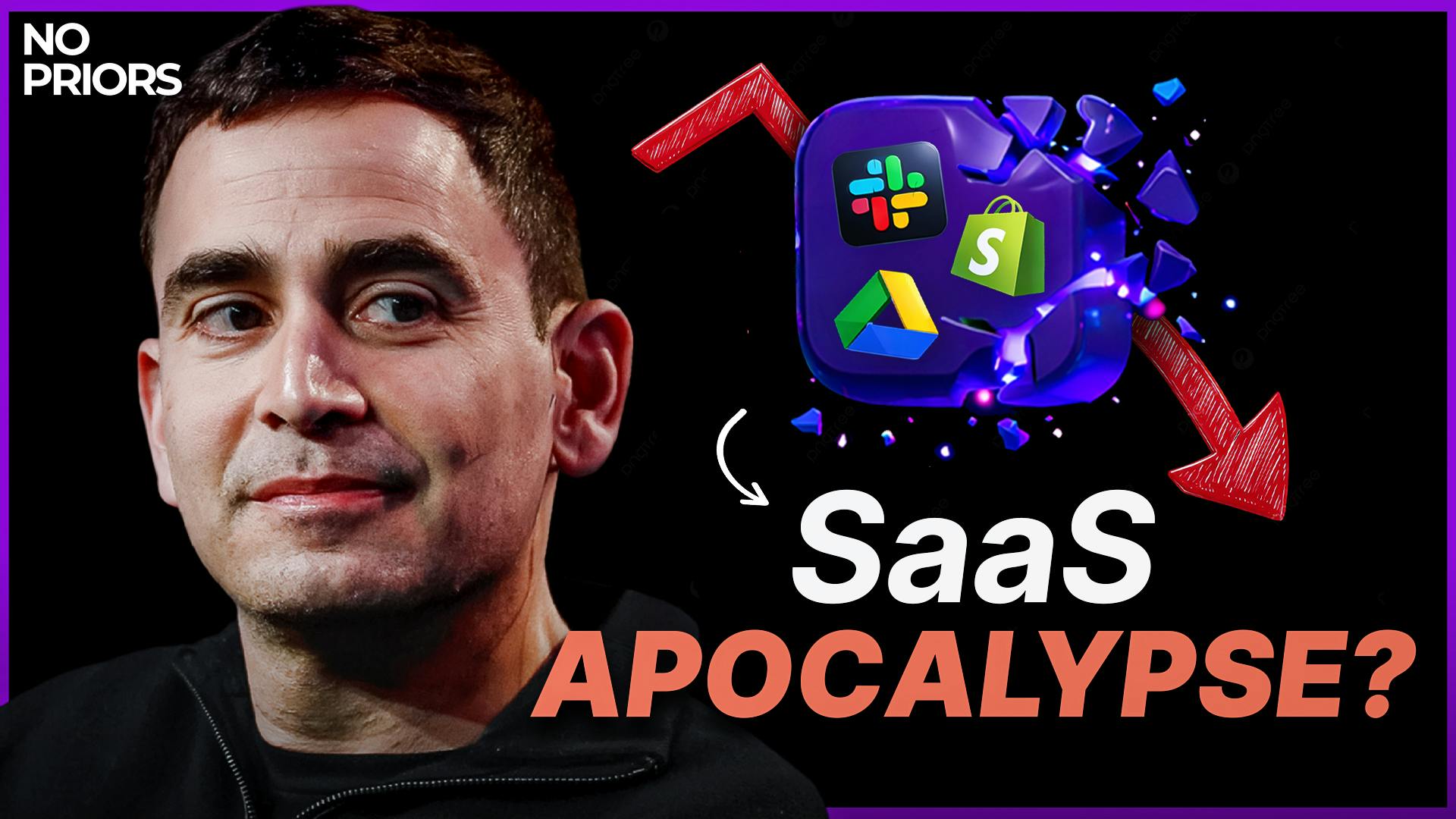
The current moment is ripe for building new horizontal software giants due to three converging paradigm shifts: a move to outcome-based pricing, AI completing end-to-end tasks as the new unit of value, and a shift from structured schemas to dynamic, unstructured data models.

Point-solution SaaS products are at a massive disadvantage in the age of AI because they lack the broad, integrated dataset needed to power effective features. Bundled platforms that 'own the mine' of data are best positioned to win, as AI can perform magic when it has access to a rich, semantic data layer.

The shift to AI creates an opening in every established software category (ERP, CRM, etc.). While incumbents are adding AI features, new AI-native startups have an advantage in winning over net-new, 'greenfield' customers who are choosing their first system of record.

The cloud era created a fragmented landscape of single-purpose SaaS tools, leading to enterprise fatigue. AI enables unified platforms to perform these specialized tasks, creating a massive consolidation wave and disrupting the niche application market.
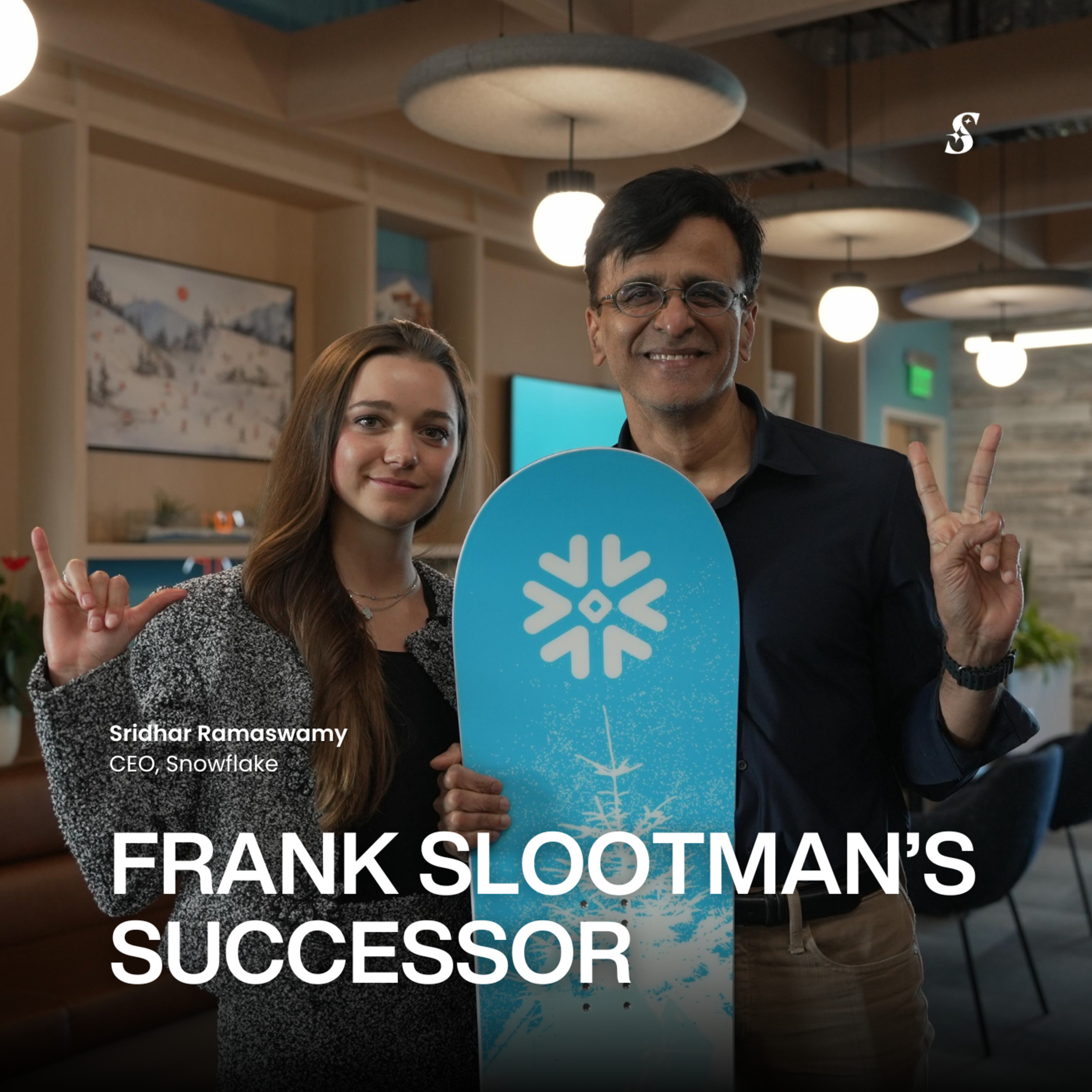
The idea that AI will kill SaaS is flawed. Instead, SaaS is evolving to integrate "agentic" capabilities. This creates a hybrid model where humans and AI agents collaborate within optimized workflows, delivering more value than either could alone. This fusion expands the market rather than destroying it.

Traditional SaaS was built for siloed human departments (e.g., sales, marketing, support). AI enables a single agent to manage the entire customer journey, forcing these distinct software categories to converge into unified platforms.

The current market of specialized AI agents for narrow tasks, like specific sales versus support conversations, will not last. The industry is moving towards singular agents or orchestration layers that manage the entire customer lifecycle, threatening the viability of siloed, single-purpose startups.
