Get your free personalized podcast brief
We scan new podcasts and send you the top 5 insights daily.
Top trading firms like HRT actively keep the memory of catastrophic failures, such as the Knight Capital algorithm malfunction, alive. They hold regular talks on "The Knightmare" to instill a culture of deep paranoia and defense-in-layers, prioritizing operational risk management over a "move fast and break things" mentality.

Related Insights
Silicon Valley's default response to crazy ideas is curiosity, not cynicism, which fosters greater ambition. Crucially, the culture values the experience gained from failure. A founder who raised and lost $50 million is still seen as a valuable bet by investors, a dynamic not found in other ecosystems.
Today's market structure, dominated by High-Frequency Trading (HFT) firms, is inherently fragile. HFTs provide liquidity during calm periods but are incentivized to withdraw it during stress, creating "liquidity voids." This amplifies price dislocations and increases systemic risk, making large-cap concentration more dangerous than it appears.

Alan Waxman saw how 10 siloed Goldman Sachs investing groups made contradictory, costly bets during the 2001 telecom bust. This direct observation of dysfunctional "fiefdoms" led him to build Sixth Street with a mandatory, collaborative "one team" structure to ensure cross-functional insight and avoid repeating those same mistakes.

When studying failed money management firms, WCM found that founders were unwilling to discuss their mistakes. The most valuable, unfiltered lessons about what truly went wrong came from conducting deep diligence with former employees of those organizations.
![[REPLAY] Paul Black and Mike Trigg – How to Build a $100B Money Manager (Capital Allocators, EP.227) thumbnail](https://static.libsyn.com/p/assets/f/b/7/6/fb76e1c8bfb69e8dd959afa2a1bf1c87/CA_Square_logo_light_background_6.26.24.jpg)
Contrary to the popular belief that markets are forgetful, the speaker argues they are more traumatized by crashes (like 2008) than buoyed by bull runs. The constant crisis predictions and "Big Short" memes on social media demonstrate a powerful, persistent memory for loss over gain.

Instead of stigmatizing failure, LEGO embeds a formal "After Action Review" (AAR) process into its culture, with reviews happening daily at some level. This structured debrief forces teams to analyze why a project failed and apply those specific learnings across the organization to prevent repeat mistakes.
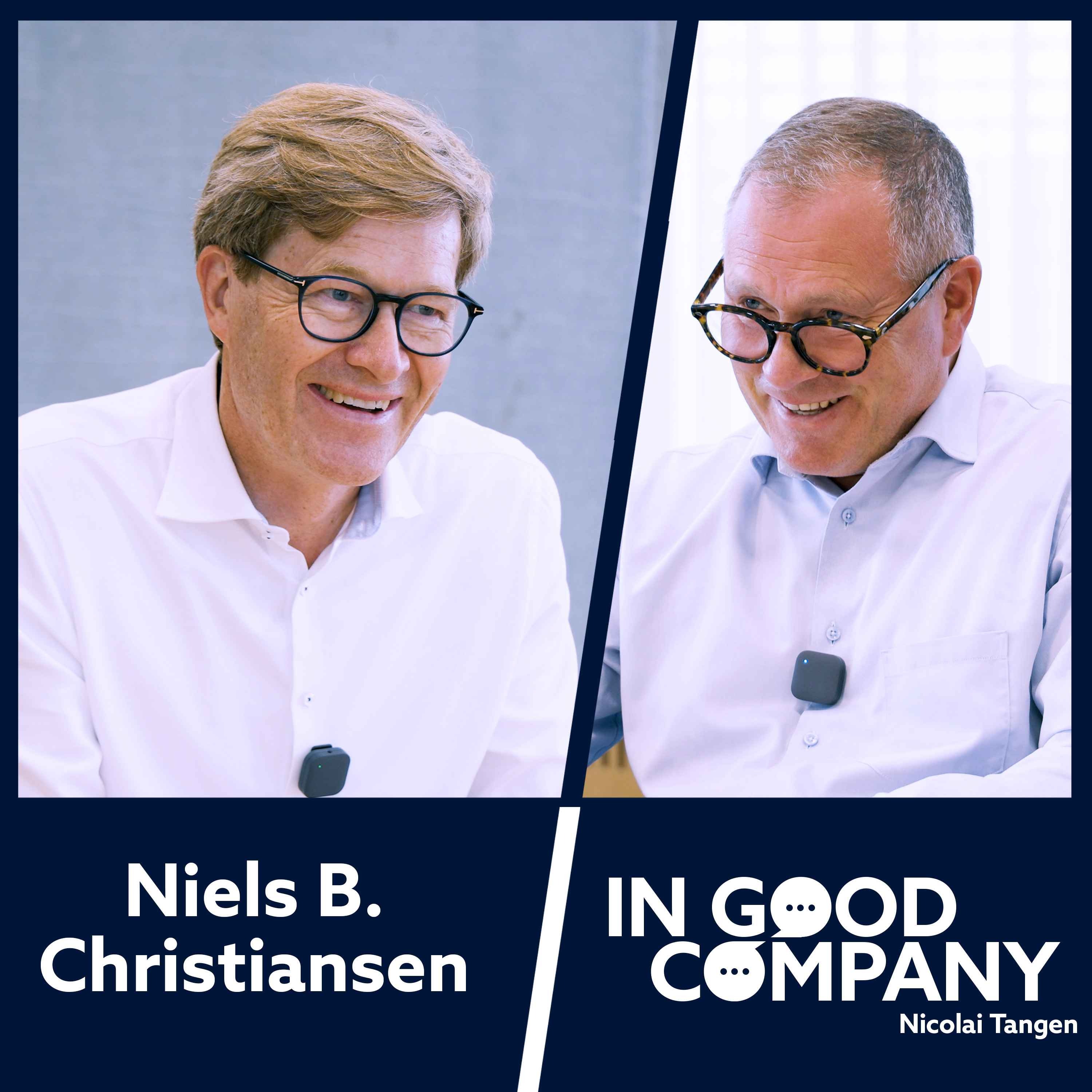
DBS CEO Sushan explains that the Singaporean slang "kiasu" (scared to lose) creates a productive paranoia. This fear of being left behind is the cultural DNA that forces the bank and the nation to constantly evolve and stay ahead, embodying the principle that only the paranoid survive.

In a Joe Rogan interview, the multi-trillion-dollar company's CEO revealed a constant state of anxiety. This insight shows that for some hyper-successful entrepreneurs, the intense pressure and memory of near-disasters are more potent motivators than the abstract goal of success, creating an insanely lonely experience.
Supercell's culture redefines failure. Instead of punishing unsuccessful projects, they are treated as learning experiments. The company literally celebrates killing a game with champagne, reinforcing that learning from a false hypothesis is a valuable outcome.

The failure of Long-Term Capital Management, run by Nobel laureates, serves as a stark reminder that extreme intelligence doesn't prevent catastrophic failure. A Goldman Sachs quant observing the crisis was struck by how the failed partners were intellectually superior to their rescuers, highlighting the limits of raw intellect in markets.
