Get your free personalized podcast brief
We scan new podcasts and send you the top 5 insights daily.
David Ellison rebadged the combined Paramount and Warner Bros. entity under his banner Skydance. Galloway notes that while discarding historic prestige names like Warner or Paramount is a branding mistake, it will not hurt the core business because parent companies function primarily as B2B trade brands. As long as downstream consumer studios retain their storied names, consumer behavior remains untouched.

Related Insights
Netflix's acquisition of Warner Bros., including plans to continue theatrical releases and maintain HBO Max, shows that pure-play streaming is evolving. To dominate, streaming giants must now integrate and preserve traditional studio operations and business models rather than simply aiming to disrupt them.

The bidding war for Warner Bros. Discovery between Netflix and Paramount is complex because the offers aren't apples-to-apples. Netflix only wants the studio and streaming assets, leaving behind valuable linear channels like CNN and HGTV. The board's decision hinges on assigning a separate value to this discarded "network business."

While Paramount's proposed merger with Warner Bros. targets $6 billion in synergies, the aggressive cost-cutting required poses a significant risk of destroying the creative cultures and core businesses of both entities. The focus on financial engineering may overlook the operational realities of a creative enterprise.

Just as P&G wouldn't rename a popular soap, acquirers shouldn't change a successful B2B product's name. The brand holds immense equity built over years. Changing BlueKai to an Oracle brand name, for instance, instantly erases value that persists in the market's mind for over a decade.

The history of Warner Bros. is a pattern of disastrous mergers (Time, AOL, AT&T) driven by CEOs seeking a legacy-defining deal. These acquisitions consistently fail due to culture clashes, overvaluation, and massive debt, ultimately destroying shareholder value for the acquirer.

While HBO has brand recognition, the most valuable asset in the Warner Bros. deal is its television production studio. Its deep catalog and role as a key content supplier for all streaming services makes it strategically invaluable.

The intense bidding war for Warner Bros. Discovery is driven by unique strategic goals. Paramount seeks subscriber scale for survival, Netflix wants premium IP and sports rights, and Comcast primarily needs modern franchises like Harry Potter to fuel its profitable theme park business.

A recurring pattern shows that companies acquiring Warner Bros. (AOL, AT&T, Discovery) ultimately fail, saddled with debt and regret. The Ellison family is betting they can break this historical curse, despite the media industry's massive transformation and the asset's track record of destroying its owners.
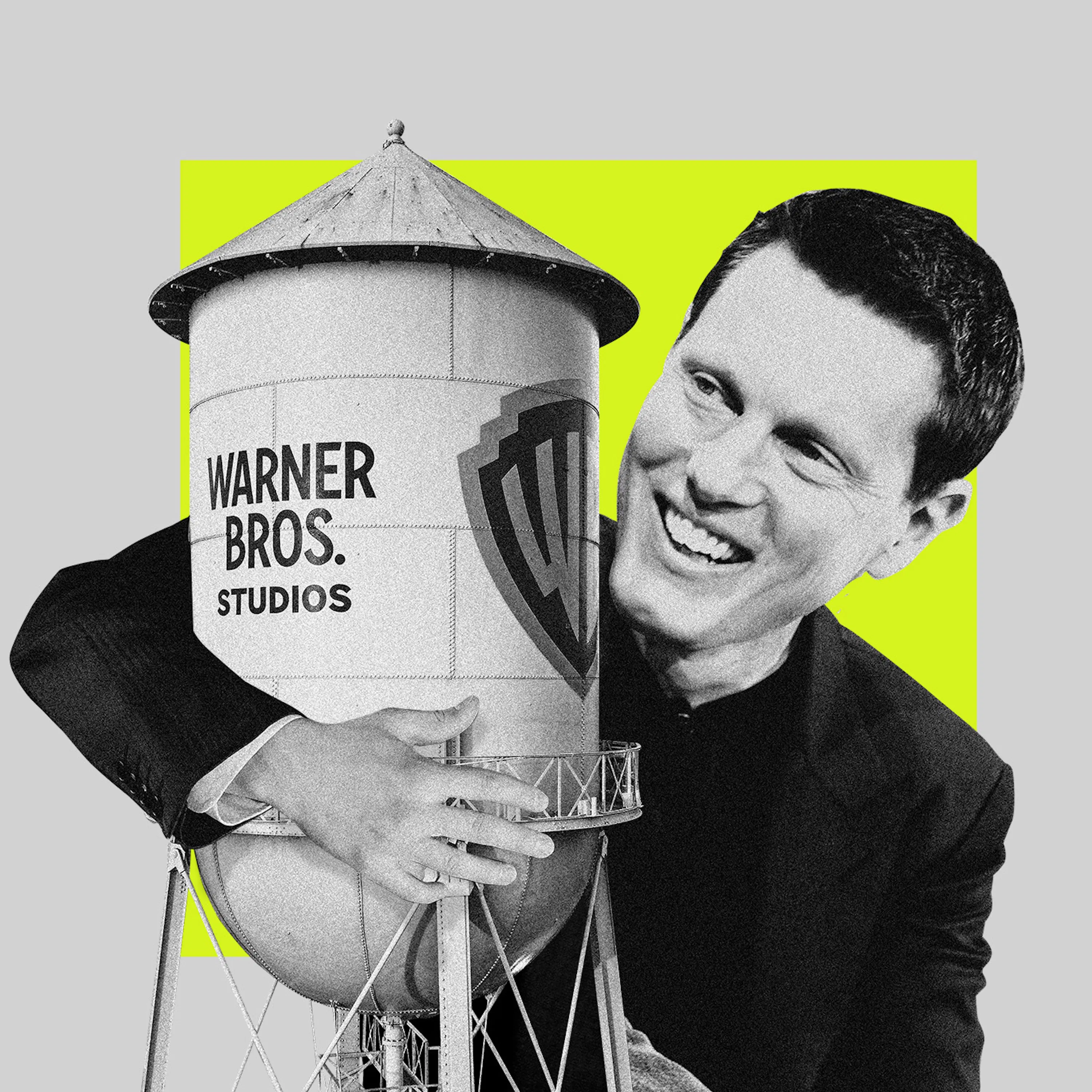
From AOL to AT&T and now Discovery, Time Warner's mergers have consistently destroyed shareholder value while enriching executives. This pattern highlights a systemic issue in media M&A where deals serve management's financial interests over the company's long-term health.
The high-stakes bidding war for Warner Bros. is seen as driven by media executives' desire to reclaim the news cycle, which has been dominated by politics and AI. The acquisitions are a strategy for regaining cultural relevance as much as they are about business consolidation.
