Get your free personalized podcast brief
We scan new podcasts and send you the top 5 insights daily.
The ability to increase copper supply is severely hampered by equipment backlogs. The wait time for essential components like the ring gear for a giant motor has ballooned from 4.5 years to nearly 8 years, and supply contracts now include force majeure clauses for metal shortages.

Related Insights
The next major bottleneck for AI, electrification, and defense is not chips, but copper. To meet baseline GDP growth projections—excluding upside from data centers and green energy—the world needs to mine the same amount of copper in the next 18 years as it has in all of human history.

Throwing money and political will at resource shortages faces a hard reality: the fastest timeline to open a new mine anywhere in the world is 16 years (26-29 in the U.S.). This demonstrates that for critical physical infrastructure, there are fundamental, long-term constraints that cannot be bypassed during a short-term crisis.

Even before the AI boom, demand for copper was outstripping supply for standard manufacturing and electrification. The addition of massive data centers and EVs creates a long-term supply deficit that is nearly impossible to solve, as bringing new mines online can take over 15 years.

To sustain 3% global GDP growth, the world must mine as much copper in the next 18 years as it has in the last 10,000. This excludes the massive additional demand from the energy transition, data centers, and AI, making the supply challenge almost insurmountable.
Building AI data centers or nuclear plants is pointless without the massive transformers needed to connect them to the grid. With lead times of 4-5 years for these components, which rely on Chinese rare earths, this hardware bottleneck is the critical constraint on energy and AI infrastructure expansion.

The primary bottleneck for new data centers has shifted from power generation capacity to the physical supply chain. Long lead times for critical components like transformers and turbines, with some manufacturers sold out until 2031, and a severe shortage of skilled electricians are the new binding constraints.

The semiconductor supply chain has extremely long lead times. Even with unprecedented demand signals for AI hardware, new memory fabrication plants ordered today will not come online until 2027 or 2028. This multi-year lag guarantees that supply bottlenecks and high prices for components like DRAM will persist.
![Dylan Patel - The Infinite Demand for Tokens, Claude Mythos, and Supply Constraints - [Invest Like the Best, EP.468] thumbnail](https://megaphone.imgix.net/podcasts/ceb34422-3ec7-11f1-97a5-8bd036d5980c/image/e8a75bd4ab83f059c746a594afd471a8.jpg?ixlib=rails-4.3.1&max-w=3000&max-h=3000&fit=crop&auto=format,compress)
The major outage at the Grasberg mine, which supplies 3% of the world's copper, is turning a previously balanced market into a significant deficit for 2025 and 2026. This highlights supply chain fragility, as there were no existing surpluses to absorb the shock.

The AI supply crunch extends beyond advanced processors. The industry faces critical shortages of basic components like electrical transformers and switches, with lead times stretching three to five years. This creates a less obvious but significant bottleneck for building the necessary data center infrastructure.
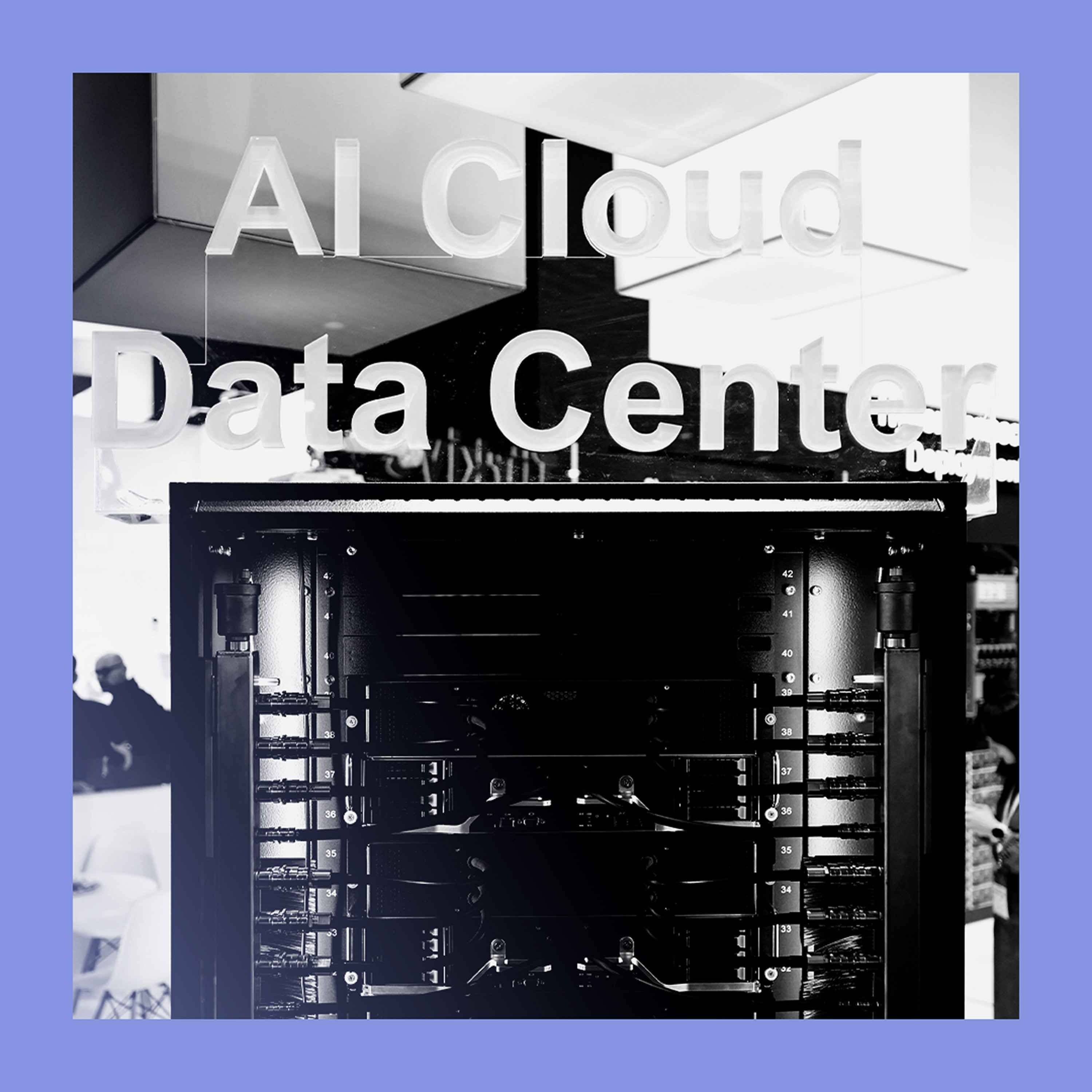
Public announcements for massive new data centers may be "pollyannish." The reality is constrained by long lead times for critical hardware components like power generators (24 months) and transformers. This supply chain friction could significantly delay or derail ambitious AI infrastructure projects, regardless of stated demand.
