Get your free personalized podcast brief
We scan new podcasts and send you the top 5 insights daily.
The next major bottleneck for AI, electrification, and defense is not chips, but copper. To meet baseline GDP growth projections—excluding upside from data centers and green energy—the world needs to mine the same amount of copper in the next 18 years as it has in all of human history.

Related Insights
The primary bottleneck for scaling AI over the next decade may be the difficulty of bringing gigawatt-scale power online to support data centers. Smart money is already focused on this challenge, which is more complex than silicon supply.

The focus in AI has evolved from rapid software capability gains to the physical constraints of its adoption. The demand for compute power is expected to significantly outstrip supply, making infrastructure—not algorithms—the defining bottleneck for future growth.

Daniel Gross's prescient question about copper being mispriced proved correct. The metal hit all-time highs due to AI's physical needs, with a single NVIDIA server rack containing two miles of copper wire. This highlights a critical, non-obvious bottleneck in the AI supply chain.

While the world focused on GPU shortages, the real constraint on AI compute is now physical infrastructure. The bottleneck has moved to accessing power, building data centers, and finding specialized labor like electricians and acquiring basic materials like structural steel. Merely acquiring chips is no longer enough to scale.

The seemingly immaterial world of AI is entirely dependent on a vast physical system. Beyond electricity, AI's expansion drives demand for industrial commodities like copper and aluminum for grids, refined fuels for transport, and robust shipping infrastructure. This links digital growth directly to global commodities and logistics markets.

While NVIDIA may solve the chip shortage, the true limiting factors for AI's growth are physical-world constraints. The US currently lacks sufficient electricity, rare earth minerals, manufacturing capacity, and even power transformers to support the massive, energy-intensive demands of AI.

In an environment of supply chain shortages, investors should favor commodities essential for economic activity over monetary proxies like gold. Copper is critical for building data centers and its value is driven by real demand and scarcity, unlike gold's more abstract story.

The rapid expansion promised by AI firms faces real-world bottlenecks. These include shortages of key commodities like copper, insufficient power grid capacity requiring years to build new plants, and a lack of skilled construction labor, making promised timelines highly unrealistic.

The AI supply crunch extends beyond advanced processors. The industry faces critical shortages of basic components like electrical transformers and switches, with lead times stretching three to five years. This creates a less obvious but significant bottleneck for building the necessary data center infrastructure.
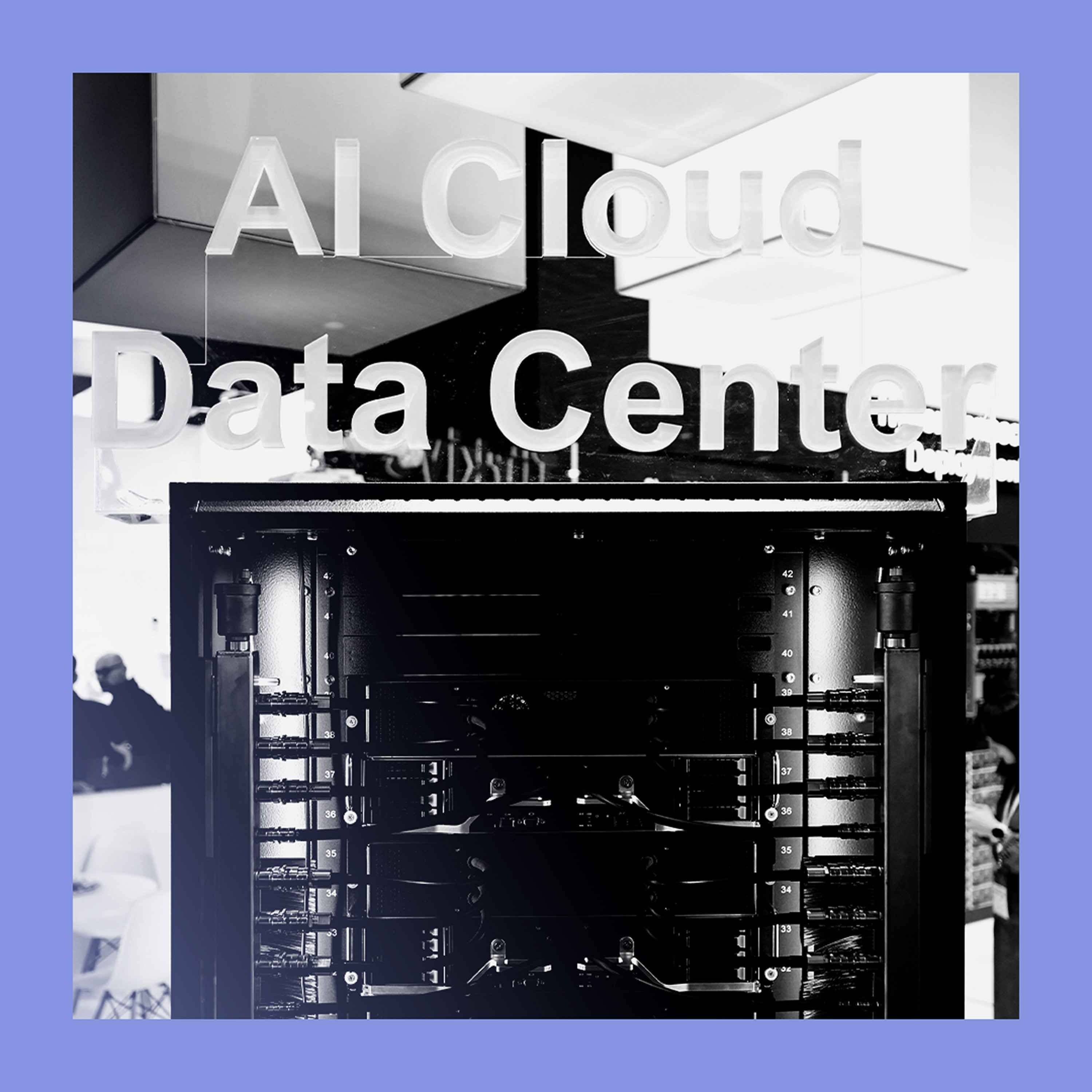
As hyperscalers build massive new data centers for AI, the critical constraint is shifting from semiconductor supply to energy availability. The core challenge becomes sourcing enough power, raising new geopolitical and environmental questions that will define the next phase of the AI race.