Get your free personalized podcast brief
We scan new podcasts and send you the top 5 insights daily.
When faced with a choice, select the path that preserves the most future optionality. Bill Miller IV chose a one-time offer from McKinsey over his father's firm, reasoning he could always return to the family business, but the consulting opportunity would never come again.

Related Insights
The allure of a safe, prestigious corporate job can be a trap for young entrepreneurs. The logical choice to 'learn how large enterprises work' can override passion and kill momentum. The time for maximum career risk is when personal responsibilities are lowest; delaying risk-taking makes it exponentially harder later in life.

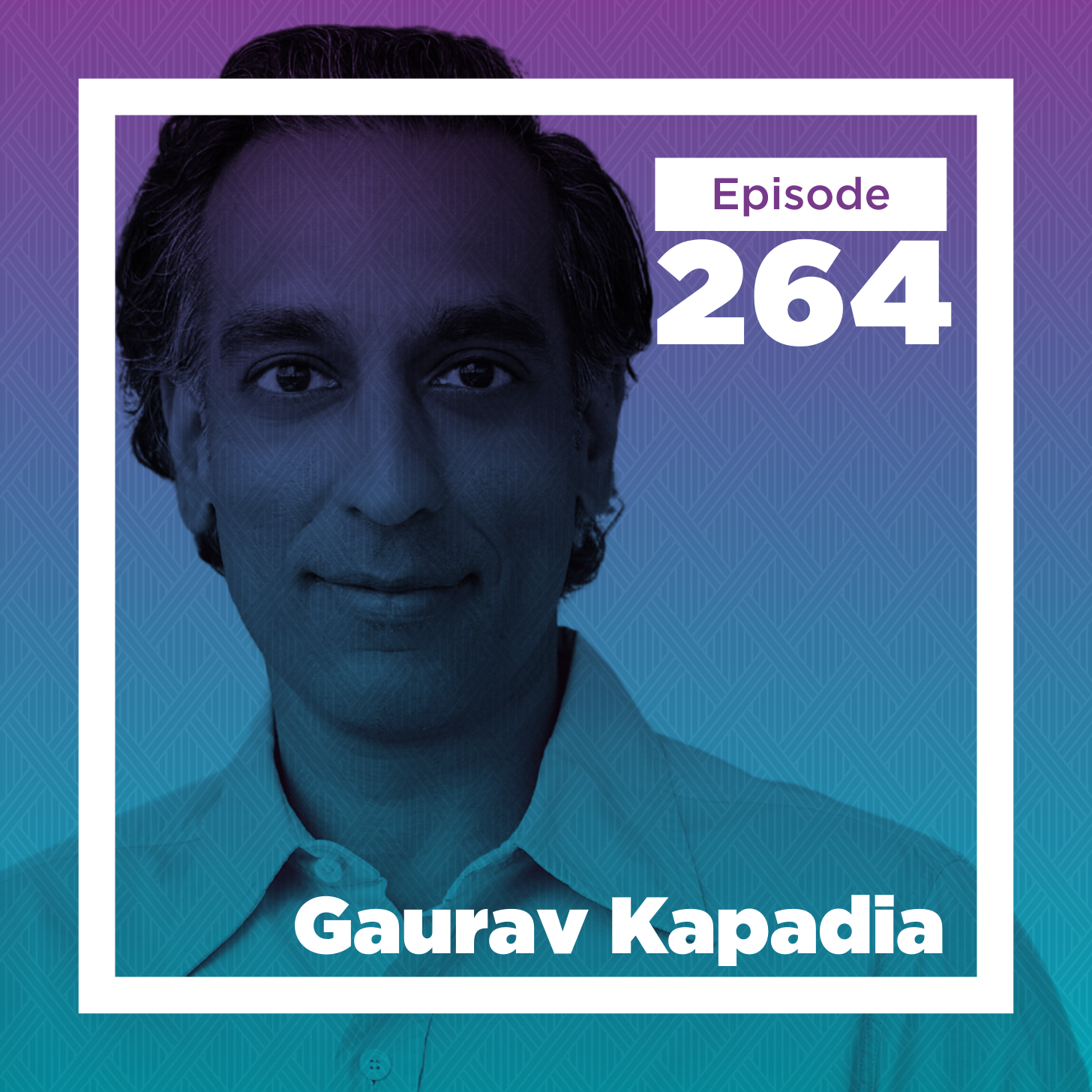
Gaurav Kapadia intentionally chose a lower-paying BCG job over Goldman Sachs to understand corporate dynamics beyond spreadsheets. This 'detour' provided a crucial, practical understanding of how organizations actually work, which he believes accelerated his later success and competitive advantage as an investor.
Ambitious graduates shouldn't join the organization doing the most good in year one, but rather the one that best equips them with skills and networks. This builds "career capital" that prepares them to achieve far greater impact in years 10, 20, and 30 of their careers.

The most potent advice for career growth is to take more risks. This includes moving across the country for an opportunity or even taking a job that appears to be a step down in title or pay if it aligns better with your long-term goals. The potential upside of such calculated risks often outweighs the downside.
Instead of waiting for complete information, Alexander Titus's model for action is to ensure the next immediate step is not an irreversible mistake. This allows for faster movement and exploration, as most professional decisions can be undone, unlike major life choices like debt or family.

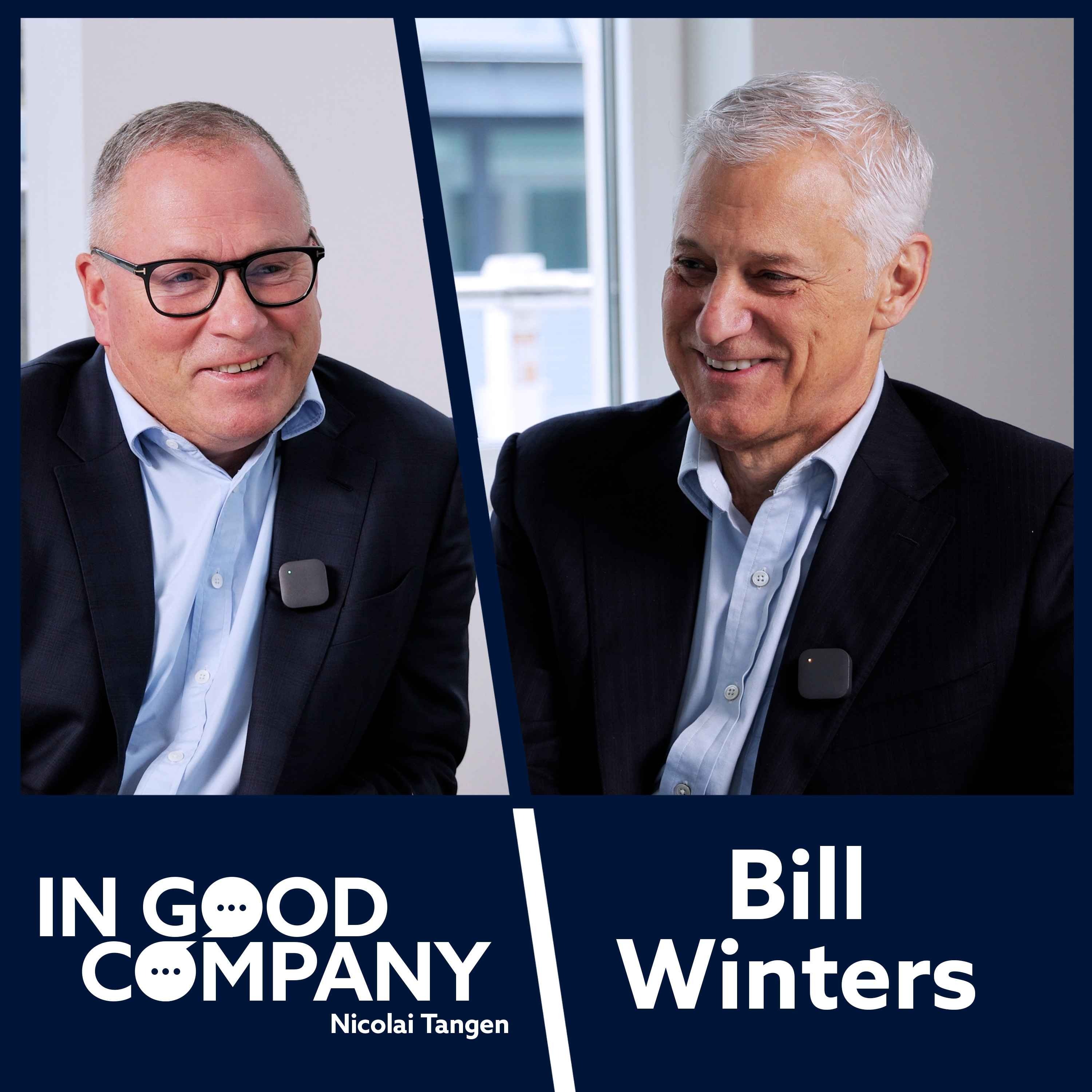
Bill Winters credits his success to taking calculated risks at key career junctures, like leaving a comfortable job for a struggling bank. He advises young professionals to choose the 'reckless route' when faced with a fork in the road, as recovering from failure is easiest early in one's career.
Creating a long-term career master plan is often counterproductive, leading people onto generic conveyor belts like consulting or banking. A better strategy is to consistently choose the best opportunity available at the moment. Optimizing for the right things in the short term allows for more powerful, organic compounding over time.

Alexander Titus's career path has been shaped by prioritizing working on hard things with good people over a fixed, long-term plan. This flexible, people-first approach has led him to unique, "first-of-their-kind" roles across government, VC, and industry that a rigid plan would have missed.
Gurley’s major career changes were not random but driven by a deliberate, recurring self-assessment. By asking himself if he wanted to continue his current path for decades, he gave himself permission to pivot and avoid the common end-of-life "regret of inaction."

When deciding whether to leave a stable job to start Amazon, Jeff Bezos asked which choice he would regret more at age 80. People are far more haunted by the opportunities they didn't take than the ones they took that failed. This is a powerful mental model for making bold career leaps.
