Get your free personalized podcast brief
We scan new podcasts and send you the top 5 insights daily.
The bipartisan 'Cures in Care' initiative seeks to fundamentally change U.S. clinical trials by creating a network of point-of-care platforms. This would embed research into routine healthcare, turning hospitals into ongoing research sites rather than temporary locations for standalone trials, mirroring a successful Australian model.

Related Insights
Many effective drugs that are already developed will not reach patients for years because the clinical trial system is the primary bottleneck. This delay is due to logistical and structural inefficiencies in testing, not a lack of scientific discovery.

A new legislative proposal from Rep. Jake Auchincloss to modernize clinical trials is more than a standalone bill; it's the "starting whistle" for the next cycle of FDA reforms tied to the must-pass PDUFA reauthorization. This signals a strategic effort to use the recurring legislative package as a vehicle for significant changes to the U.S. clinical trial enterprise.

US biotechs increasingly use sites like Australia to accelerate development, as Create Medicines did by moving from concept to clinic in under 12 months. What was once viewed with suspicion is now a key strategy to generate data faster and more cheaply, competing with the speed of China's ecosystem.

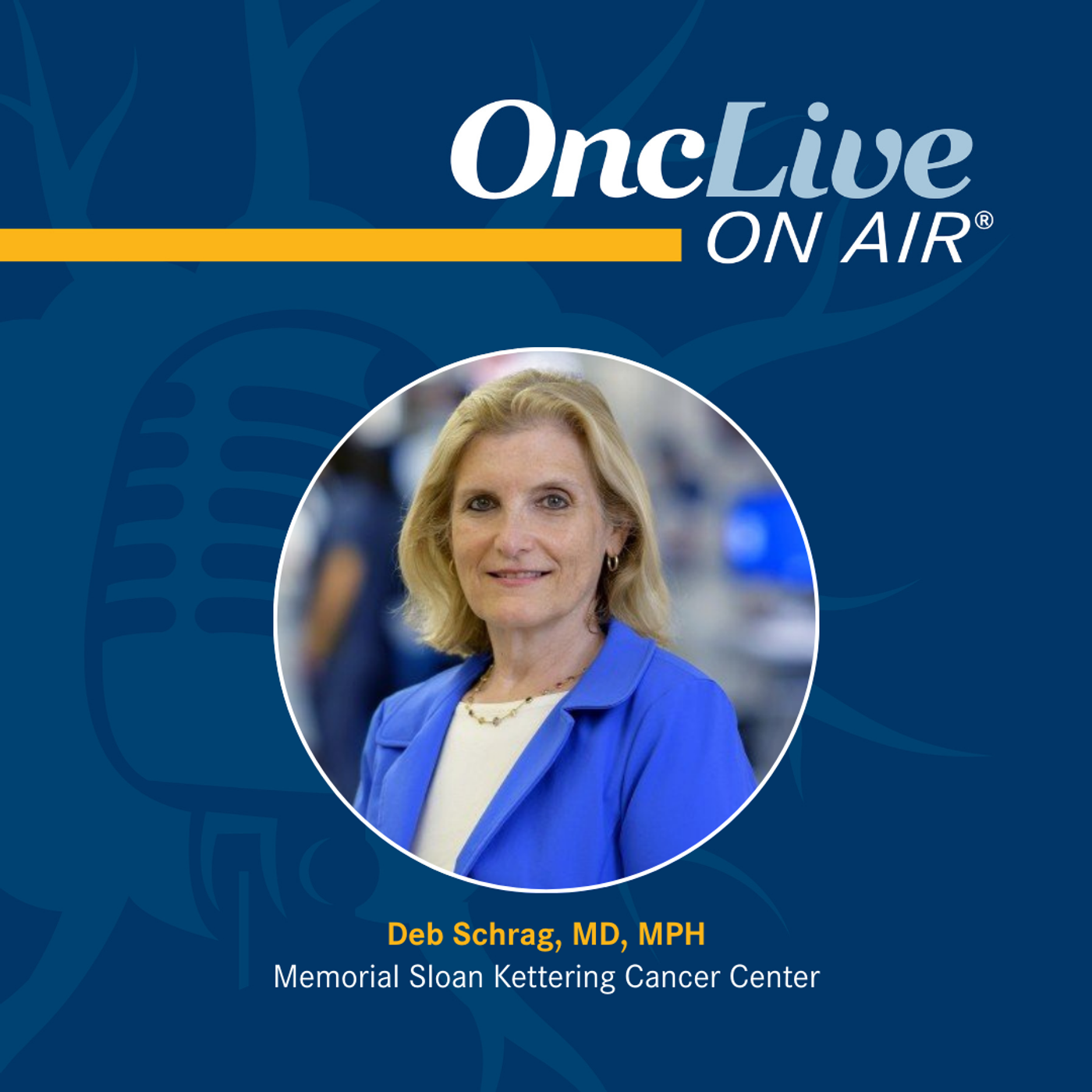
Dr. Deb Schrag argues for shifting away from rigid, expensive clinical trials. She advocates for more pragmatic, community-based studies that harness electronic health records, making research easier and less costly for both patients and healthcare systems to accelerate meaningful discoveries.
The traditional drug-centric trial model is failing. The next evolution is trials designed to validate the *decision-making process* itself, using platforms to assign the best therapy to heterogeneous patient groups, rather than testing one drug on a narrow population.

The greatest barrier to biomedical advancement is the exorbitant cost ($25M+) and time (18+ months) required for the FDA's initial new drug (IND) application. By adopting a faster, notification-based system like Australia's, the U.S. could unlock a wave of innovation, lower costs, and prevent the industry from offshoring to China.

The UK's clinical trial reforms go beyond simple regulatory tweaks by leveraging the single-payer NHS. The MHRA is creating a single national contract template to eliminate redundant, site-by-site negotiations, turning a structural feature of its healthcare system into a competitive advantage for trial efficiency.

Instead of a total overhaul, we can accelerate trials with three changes: 1) A simple patient opt-in registry for trial participation. 2) Collaborative platform trials testing multiple drugs against one control group. 3) A shared database for all trial data, including failures.
To solve patient enrollment bottlenecks, biotech companies should directly support and utilize community-based medical centers where 95% of patients receive care. These local clinics are a more accessible and efficient alternative to large, bureaucratic academic institutions.
Industry leaders often believe their clinical trial designs are patient-centric, but direct experience in community clinics reveals the significant burden placed on patients and caregivers, such as 12-hour blood draw days. This exposure leads to more practical and humane trial designs that improve real-world data collection.