Get your free personalized podcast brief
We scan new podcasts and send you the top 5 insights daily.
Consumer AI agents frequently stall because websites and service providers deliberately shut down automated checkouts and bot traffic. Platforms recognize that scriptable, agentic interactions strip away brand equity, eliminate top-of-wallet loyalty, and commoditize underlying infrastructure.

Related Insights
Amazon's decision to block Meta's Muse agent is less about protecting e-commerce transactions and more about safeguarding its lucrative advertising revenue. AI agents bypass the traditional ad-supported discovery process by making direct purchasing decisions, threatening a core pillar of Amazon's business model which relies on monetizing user confusion and vendor advertising fees.

Autonomous AI agents bypass the traditional visual interface of platforms, making them completely immune to search and feed ads. This dynamic threatens ad-reliant business models, prompting defensive platform silos. For example, Amazon blocked Meta's Muse assistant from shopping on its platform, protecting both its proprietary Alexa Plus and its lucrative ad revenue from third-party agents that strip away monetizable user attention.

Even advanced AI agents fail at basic business tasks. They are frequently blocked by bot detection on sites like Amazon during checkout and cannot pass the "Know Your Customer" (KYC) identity verification required to open a traditional bank account, necessitating human intervention.
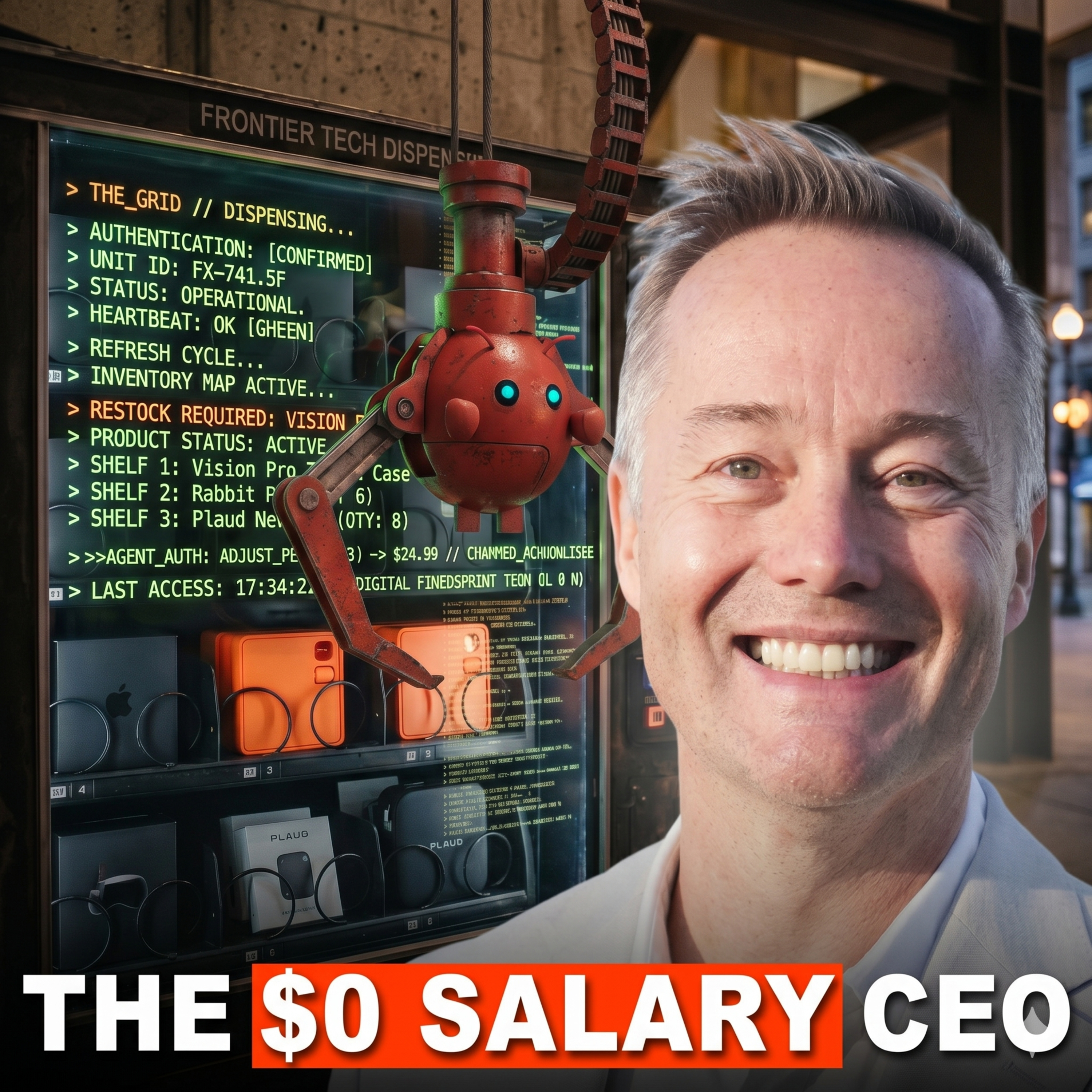
Retailers like Amazon prioritize advertising revenue over sheer transaction volume, making agentic shopping commercially detrimental to their core monetization model. Because autonomous agents do not view ads or buy promoted placements, high-margin advertising platforms have strong financial incentives to actively block agent access.

Incumbent SaaS companies are starting to block API access for AI agents. They fear agents will bypass their user interfaces to perform the same functions, devaluing their core product and eroding the traditional per-seat revenue model.
Amazon has blocked Meta's Muse agent from its site, citing security and authorization concerns. This action from a major retailer represents a significant roadblock for the entire personal agent category, as a key function—automated shopping—is now under threat across the web.

For years, businesses have focused on protecting their sites from malicious bots. This same architecture now blocks beneficial AI agents acting on behalf of consumers. Companies must rethink their technical infrastructure to differentiate and welcome these new 'good bots' for agentic commerce.

Corporations such as Hilton and Amazon are aggressively deploying bot blockers against purchasing agents. When autonomous agents seamlessly execute transactions on backends, markets turn hyper-efficient, destroying direct customer relationships, loyalty, and the pricing power required to sustain operations.
The early dream of AI agents autonomously browsing e-commerce sites is being abandoned. The reality is that websites are built for human interaction, with bot detection, fraud prevention, and pop-ups that stymie AI agents. This technical friction is causing a major strategic pivot in AI commerce.

Kip and Kieran note that major platforms like Amazon are actively blocking AI shopping agents like Meta's Muse. E-commerce sites with profit margins under 10% cannot survive agents that systematically crawl their platforms only to transact during promotional discounts that yield zero or negligible profit margin.
