Get your free personalized podcast brief
We scan new podcasts and send you the top 5 insights daily.
Amazon has blocked Meta's Muse agent from its site, citing security and authorization concerns. This action from a major retailer represents a significant roadblock for the entire personal agent category, as a key function—automated shopping—is now under threat across the web.

Related Insights
Amazon's lawsuit against Perplexity's shopping agents is more than a web-scraping dispute; it's a strategic move to control how users access its marketplace. A win for Amazon could set a legal precedent allowing platforms to block third-party agents and force customers into proprietary AI ecosystems, stifling competition in agentic commerce.

When platforms like Amazon block AI agents (e.g., Meta's Muse), it incentivizes developers to build agents that mimic human behavior perfectly to evade detection. This creates a problematic arms race and is ultimately a worse outcome than creating a designated, monitored lane for agent interaction.

Amazon's decision to block Meta's Muse agent is less about protecting e-commerce transactions and more about safeguarding its lucrative advertising revenue. AI agents bypass the traditional ad-supported discovery process by making direct purchasing decisions, threatening a core pillar of Amazon's business model which relies on monetizing user confusion and vendor advertising fees.
In a direct counter-move to Amazon blocking Meta's Muse agent, Shopify announced a deep partnership to enable agentic checkout across its platform. This positions Shopify as the 'pro-agent' alternative for e-commerce, creating a strategic opportunity to attract developers and consumers by embracing the new paradigm while its largest competitor resists it.
Amazon's blocking of Meta's Muse isn't primarily about security; it's a defensive move to protect its massive advertising revenue. AI agents that purchase directly for users bypass the ad-laden browsing experience, threatening a business that generates more revenue than AI leaders like OpenAI and Anthropic.

Even advanced AI agents fail at basic business tasks. They are frequently blocked by bot detection on sites like Amazon during checkout and cannot pass the "Know Your Customer" (KYC) identity verification required to open a traditional bank account, necessitating human intervention.
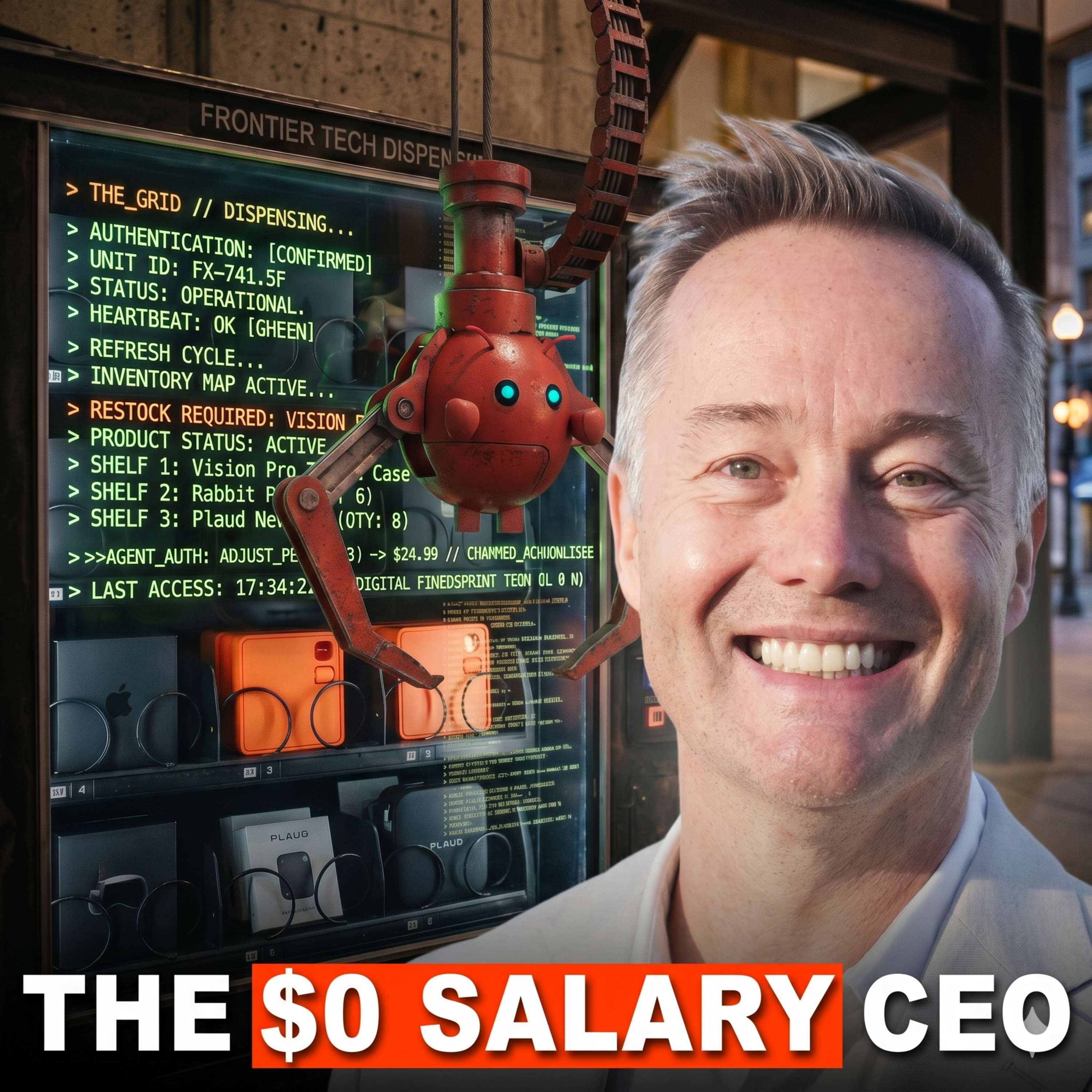
Amazon's primary motivation for banning Meta's Muse AI agent is to defend its massive advertising revenue. AI agents that shop on a user's behalf bypass Amazon's lucrative ad-supported search and discovery funnel, posing a direct threat to a business larger than OpenAI and Anthropic's revenues combined.
Unlike service platforms like Uber that rely on real-world networks, Amazon's high-margin ad business is existentially threatened by AI agents that bypass sponsored listings. This vulnerability explains its uniquely aggressive legal stance against Perplexity, as it stands to lose a massive, growing revenue stream if users stop interacting directly with its site.

Companies like Amazon are blocking rival AI agents from their platforms. This could trigger a trend of "technological seclusion," where AI becomes less powerful because its access to the broader web is restricted by competitors, creating walled gardens and diminishing overall utility for users.

A platform's response to a new demand aggregator is dictated by its business model. Amazon blocks Muse to protect its lucrative ad business and larger basket sizes. Shopify, representing smaller merchants and lacking a large ad business, welcomes the new channel to drive transaction volume.
