Get your free personalized podcast brief
We scan new podcasts and send you the top 5 insights daily.
Canary's founder, whose parents are in medicine, attributes his entrepreneurial drive to the "lore" of his immigrant grandfathers who were retail entrepreneurs. This suggests that entrepreneurial spirit can be passed down non-traditionally, skipping a generation.

Related Insights
Spending years building a business for someone else (even a parent) while being undercompensated is a powerful training ground. It forces a level of conviction, humility, and delayed gratification that can lead to explosive growth once you start your own venture.

Val Griffith, in her early 50s, was facing an 'empty nest' and saw co-founding a company with her daughter not just as a business idea, but as a fulfilling next chapter. This highlights a powerful, often overlooked motivation for late-career entrepreneurship.

The greatest predictor of entrepreneurial success isn't intellect or innate skill, but simply caring more than anyone else. This deep-rooted ambition and desire to succeed fuels the resilience and skill acquisition necessary to win.

The intense, relentless drive seen in many successful entrepreneurs isn't normal ambition. It's often a corrosive fuel derived from significant personal trauma, like family financial ruin. This experience provides a level of motivation that those from more stable backgrounds may lack.
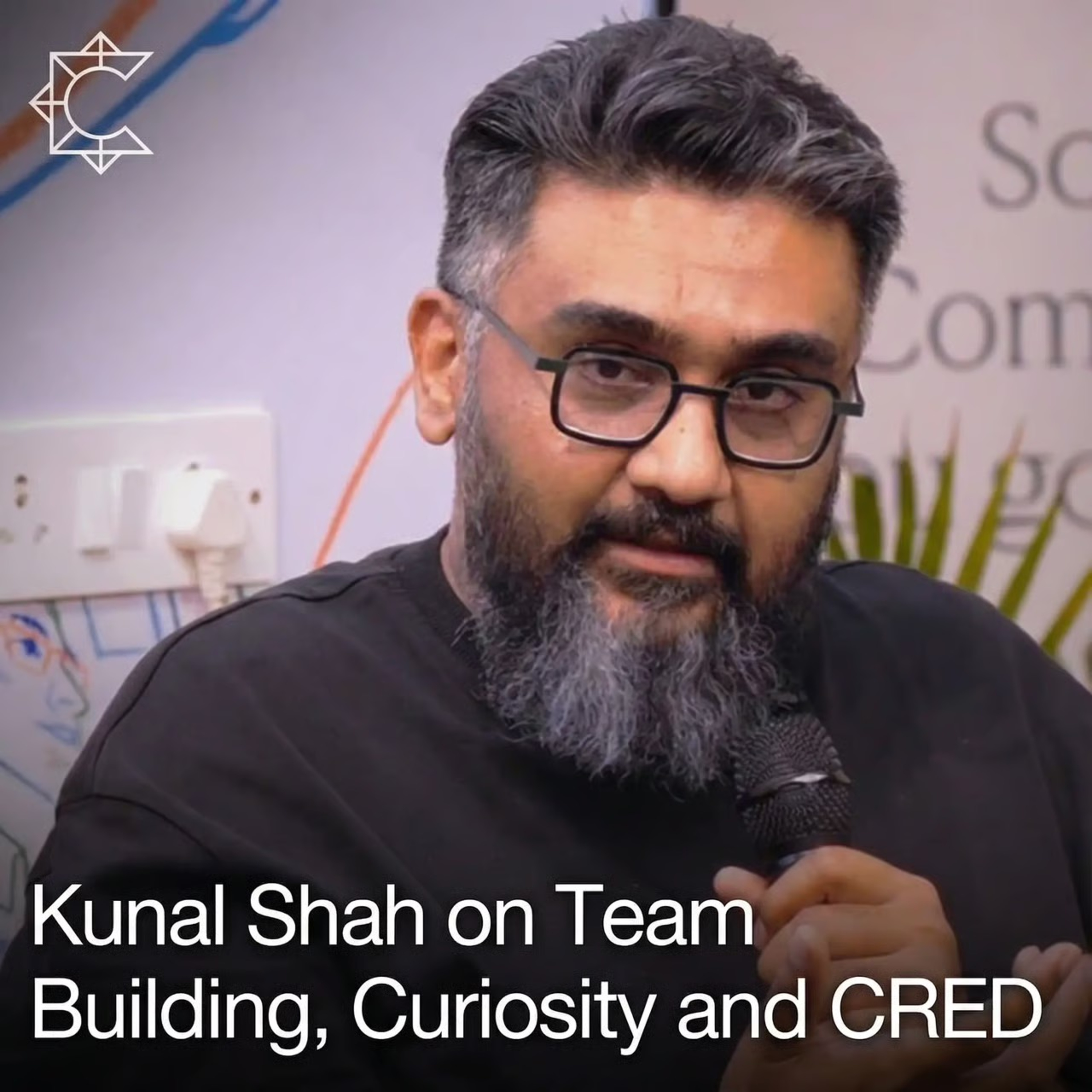
The Profound CEO's decision to start a door-to-door gold-selling business instead of attending university was a formative "breakout of the matrix moment." This early, unconventional success instilled a deep-seated belief that one can forge their own path without following a traditional script.
Founder Janice Omadeke credits her entrepreneurial drive to a childhood game her father created. At dinner, he would ask his children to identify a problem they saw that day and design a business to solve it, including target market and go-to-market strategy, effectively gamifying problem-solving.

To identify non-consensus ideas, analyze the founder's motivation. A founder with a deep, personal reason for starting their company is more likely on a unique path. Conversely, founders who "whiteboarded" their way to an idea are often chasing mimetic, competitive trends.
Larroudé's co-founders identify their dual Brazilian-American citizenship as a key "lucky" advantage. This allowed them to understand the US consumer market while expertly navigating Brazil's massive footwear manufacturing industry. Founders should seek opportunities where their personal history provides an edge no competitor can replicate.

The speaker's mother, who never called herself an entrepreneur, bartered services like renovating a gym to afford her daughter's expensive gymnastics program. This reframes the entrepreneurial mindset not as a formal identity but as a creative, resourceful approach to overcoming limitations.

The most driven entrepreneurs are often fueled by foundational traumas. Understanding a founder's past struggles—losing family wealth or social slights—provides deep insight into their intensity, work ethic, and resilience. It's a powerful, empathetic tool for diligence beyond the balance sheet.
![Martín Escobari - Inside General Atlantic - [Invest Like the Best, EP.449] thumbnail](https://megaphone.imgix.net/podcasts/90e6e3e6-c984-11f0-ae5f-27bb851bdc56/image/608fac468f77cb3014e96336896d96de.jpg?ixlib=rails-4.3.1&max-w=3000&max-h=3000&fit=crop&auto=format,compress)