Get your free personalized podcast brief
We scan new podcasts and send you the top 5 insights daily.
Using Airtable as an example, Glenn Solomon warns that startups raising excessive capital often feel pressured to spend it to justify high valuations, even with poor metrics. This behavior frequently leads to failure, squandering capital that could have been preserved.

Related Insights
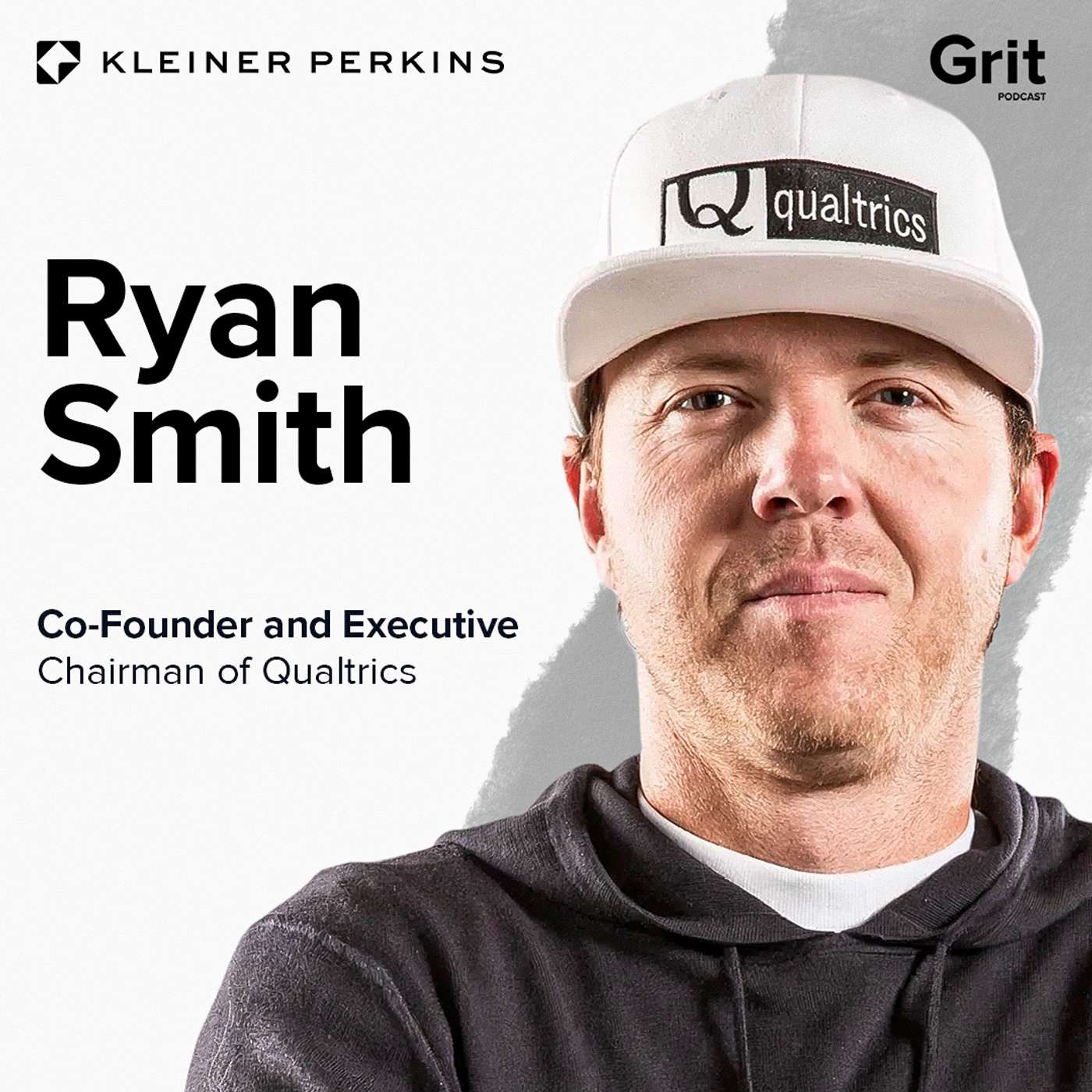
Qualtrics outlasted better-funded competitors because they raised at inflated valuations. This strapped them with growth expectations they couldn't meet, effectively starting a countdown clock to failure. High valuations can be a strategic liability, not an asset.
More capital isn't always better. An excess of funding can lead to a lack of focus, wasteful spending, and a reluctance to make tough choices—a form of moral hazard. It's crucial to match the amount of capital to a founder's ability to deploy it effectively without losing discipline.

A huge Series A before clear product-market fit creates immense pressure to scale prematurely. This can force 'unnatural acts' and unrealistic expectations, potentially leading the company to implode. It challenges the 'more money is always better' mindset at the early stages.

Glenn Solomon cautions against the VC obsession with fast markups. A company can raise subsequent rounds at higher valuations, creating impressive paper returns, yet still fail to produce a successful exit that justifies those prices, as seen with Airtable's late-stage investors.
More startups die from overfunding ("indigestion") than underfunding ("starvation"). Raising too much capital leads to operational indiscipline and sets an extremely high valuation hurdle for the next round. This creates a toxic situation, as new investors almost never want to lead a down round in someone else's company.

Raising too much money at a high valuation puts a "bogey on your back." It forces a "shoot the moon" strategy, which can decrease capital efficiency, make future fundraising harder, and limit potential exit opportunities by making the company too expensive for acquirers.
Excess capital removes the crucial feedback loop of financial constraint, which forces founders to validate that they are building something customers truly want. The more money a startup raises, the easier it becomes to ignore reality.

While capital is necessary, an overabundance is dangerous. Large secondaries can make founders comfortable and misaligned with investors. Excessive primary capital leads to bloat, unfocused strategy, and removes the pressure that drives invention. This moral hazard often leads to worse outcomes than being capital-constrained.

Contrary to founder belief, raising too much money is incredibly dangerous. It fosters a lack of discipline and operational "indigestion." A high valuation also sets a dangerous precedent, making future fundraising difficult as new investors are loath to lead a down round, effectively trapping the company.
The founder advises against always pursuing the highest valuation, noting it can lead to immense pressure and difficulties in subsequent rounds if the market normalizes. Prioritizing investor chemistry and a fair, responsible valuation is a more sustainable long-term strategy.