Get your free personalized podcast brief
We scan new podcasts and send you the top 5 insights daily.
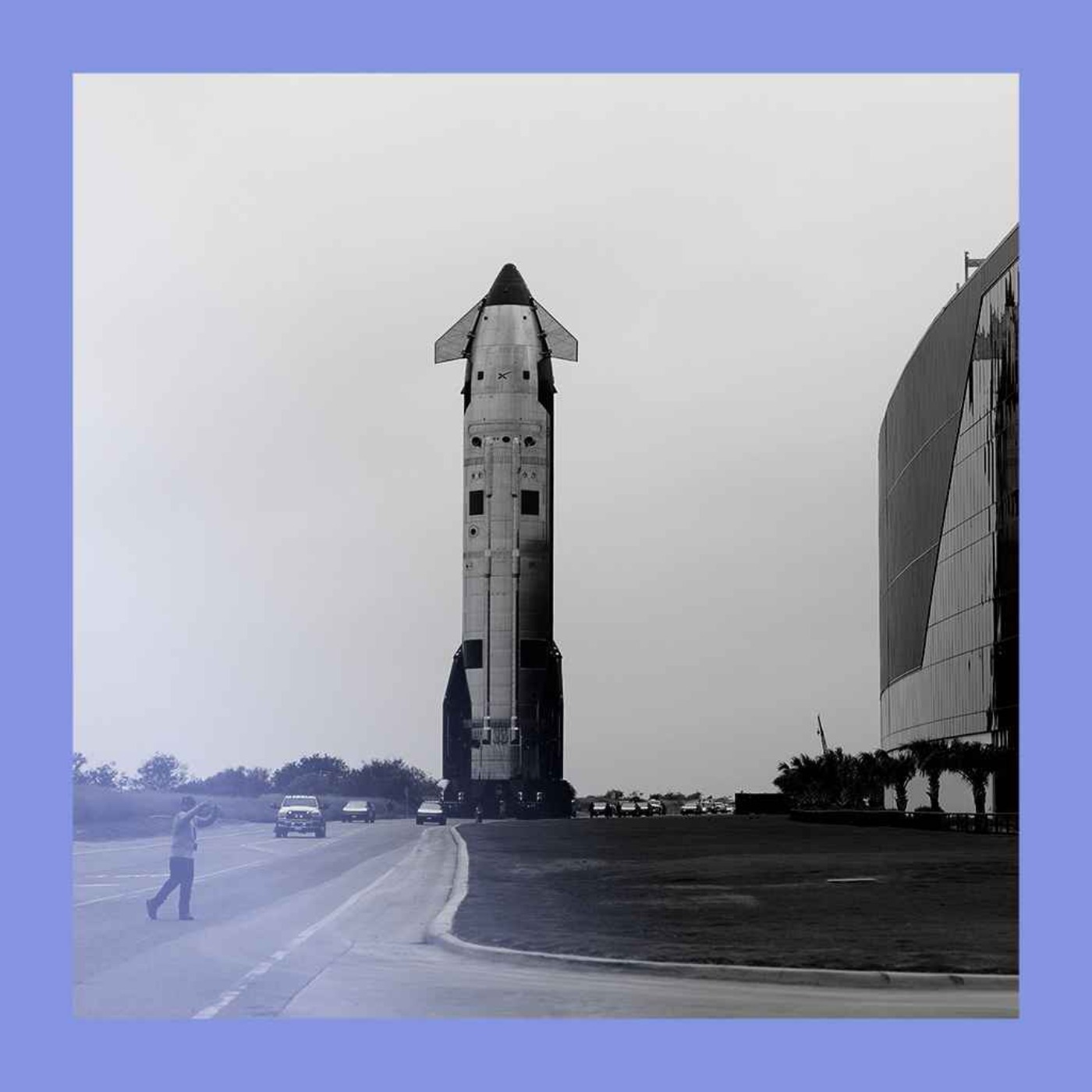
SpaceX plans to retire its reliable and profitable Falcon 9 rocket for the newer Starship platform. President Gwynne Shotwell explains this is a deliberate strategy to obsolete their own products before a competitor does. They aim to avoid being 'caught flat-footed,' repeating the disruption they inflicted on the original launch industry.

Related Insights
SpaceX correctly bet customers valued low prices over customization. By creating a single standardized platform—the Falcon 9—they forced the entire satellite industry to design around their rocket's specs. This flipped the traditional power dynamic and unlocked automotive-scale manufacturing efficiencies.

Unlike current rockets, Starship is designed for full and rapid reusability. This aircraft-like operational model is projected to drop the cost per kilogram to orbit from over $1,400 to potentially as low as $10, enabling an economic revolution for space-based infrastructure.

Shotwell's strategy was to build more launch capacity than the market demanded. This excess, low-cost capacity then enabled SpaceX to create new ventures like Starlink, creating a massive new business. It's a model for leveraging operational over-investment into strategic opportunities.

Achieving rapid and full reusability of its launch vehicles is the single most critical factor for SpaceX. It's not just an efficiency gain; it's the foundational enabler for the economics of every future business line, from orbital compute and Starlink v3 to direct-to-cell services.

SpaceX's cash-cow, Starlink, is facing network congestion due to rapid growth. The solution requires larger satellites that are too big for the current Falcon 9 rocket. The success of the much larger, reusable Starship is therefore a critical bottleneck for unlocking Starlink's future profitability and expansion.
Competitors might achieve rocket reusability, but SpaceX aims for *rapid* reusability—flying the same rocket multiple times per day. This is a monumental engineering challenge that is key to enabling ambitious goals like a Mars colony and represents a vast technological lead.
Ben Nowack learned from SpaceX's President that rockets are infrastructure. The trillion-dollar markets lie in the services they enable, like Starlink, not the launches themselves. This shifted his focus from the vehicle to the space-based service.

Gwen Shotwell championed the concept of 'residual capability' by building more launch capacity than was demanded. This surplus enabled the creation of Starlink, turning an operational excess into a massive new business line—a powerful strategy for infrastructure-heavy companies.

SpaceX’s mastery of rocket launches, which reduced costs by over 50x, is not just a service they sell. It's a strategic advantage that enables their highly profitable, high-margin Starlink satellite internet business, creating a powerful, self-reinforcing flywheel where they are their own biggest customer.

While reusable rockets were a technological marvel, SpaceX's equally crucial innovation was shifting the aerospace industry's business model. By moving from 'cost-plus' contracts to 'firm fixed-price' models, they introduced predictability and economic discipline, fundamentally changing how space launches are sold.
