Get your free personalized podcast brief
We scan new podcasts and send you the top 5 insights daily.
Facing burnout at $8M in sales, Beryl Stafford considered selling. Instead, she was convinced to hire an experienced CEO, not to prep for an exit, but to professionalize the company, raise capital, and break through the growth ceiling she had reached as a solo operator.

Related Insights
Merge's founder believes a startup's first $10M in revenue can be achieved through the founders' sheer force of will. However, scaling to $100M requires a fundamental shift: building a strong leadership team, focusing on enterprise sales, and creating scalable systems—a completely different company.

Experiencing burnout when your business generates high revenue is often a direct result of failing to reinvest profits into hiring leverage. It's a strategic failure of capital allocation. Scaling sustainably requires putting resources back into the business by hiring people, even if it lowers short-term profit margins.

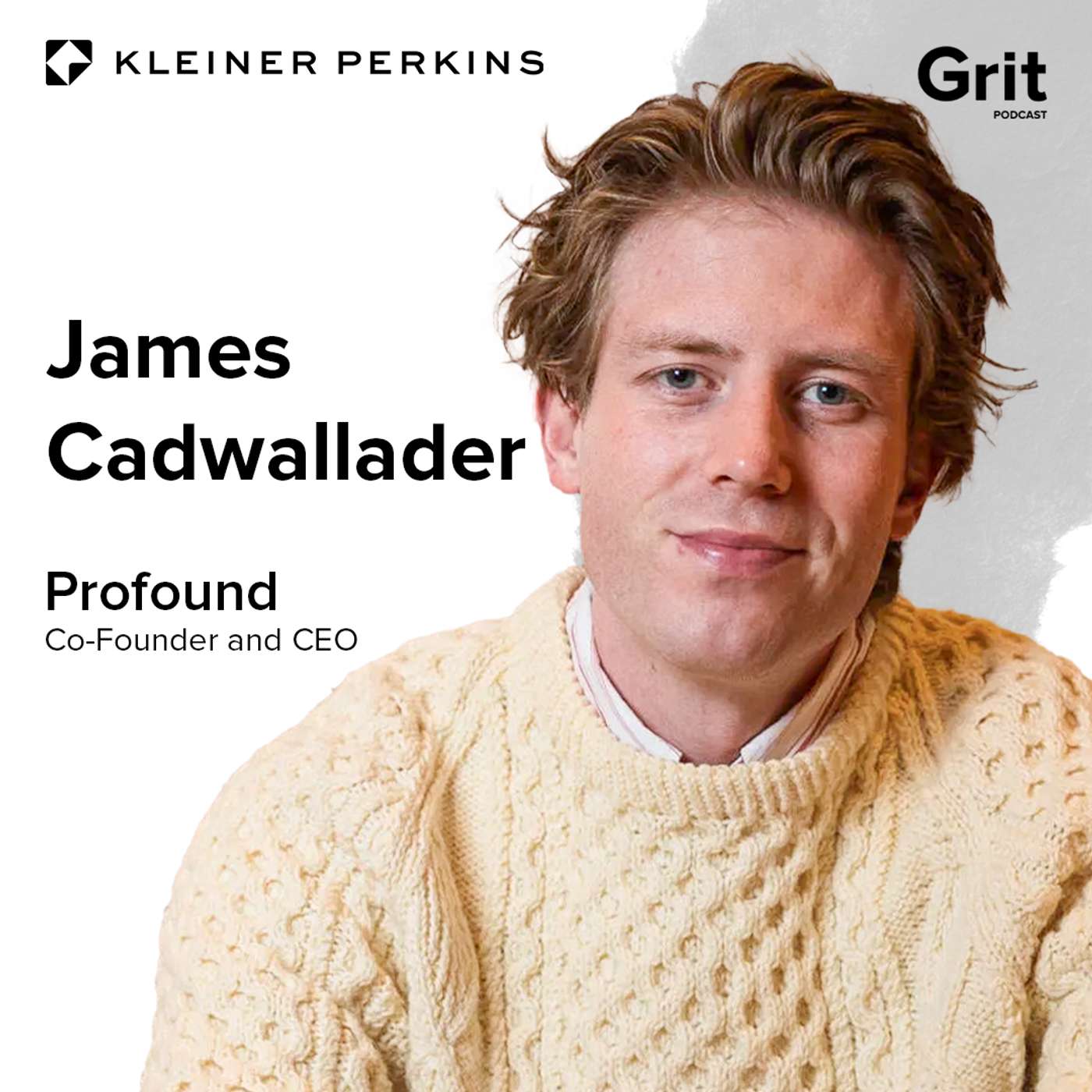
A scaling founder can avoid "breaking the model" during hypergrowth by hiring senior leaders with proven track records in similar environments. For example, Profound hired a CRO who previously scaled a company with the same target customer to $250M, bringing invaluable experience to manage chaos.
Palo Alto Networks' founder advises that when facing a 10x leap in scale, founders who haven't navigated that stage should hire leaders who have. Rather than being a hero and learning on the job, it's safer and more effective to bring in proven experience to de-risk the next phase of growth.

Despite success, founder Kevin Wagstaff felt like an "imposter" as the company scaled beyond $10M ARR. He recognized his strengths were in the early, scrappy "bias to action" phase, not managing a larger organization. He proactively brought in a seasoned CEO better suited for the next stage of growth.

A startup's trajectory directly mirrors its founder's psychology and leadership capabilities. The business can only scale as fast as the CEO can evolve, particularly after the initial "brute force" stage (around $1-3M revenue) when leadership, not individual contribution, becomes the primary driver of growth.

The 'Founder Mode' concept, meant to encourage founders to reclaim decision-making, is often misinterpreted as a reason to avoid hiring senior executives. Ben Horowitz warns this is dangerous, as scaling functions like a global sales team requires deep experience that can't be learned on the founder's nickel.

After eight years of grinding, the founder recognized he had taken the company as far as his skillset allowed. Instead of clinging to control, he proactively sought an external CEO with the business acumen he lacked, viewing the hire as a "life preserver" to rocket-ship the company's growth.

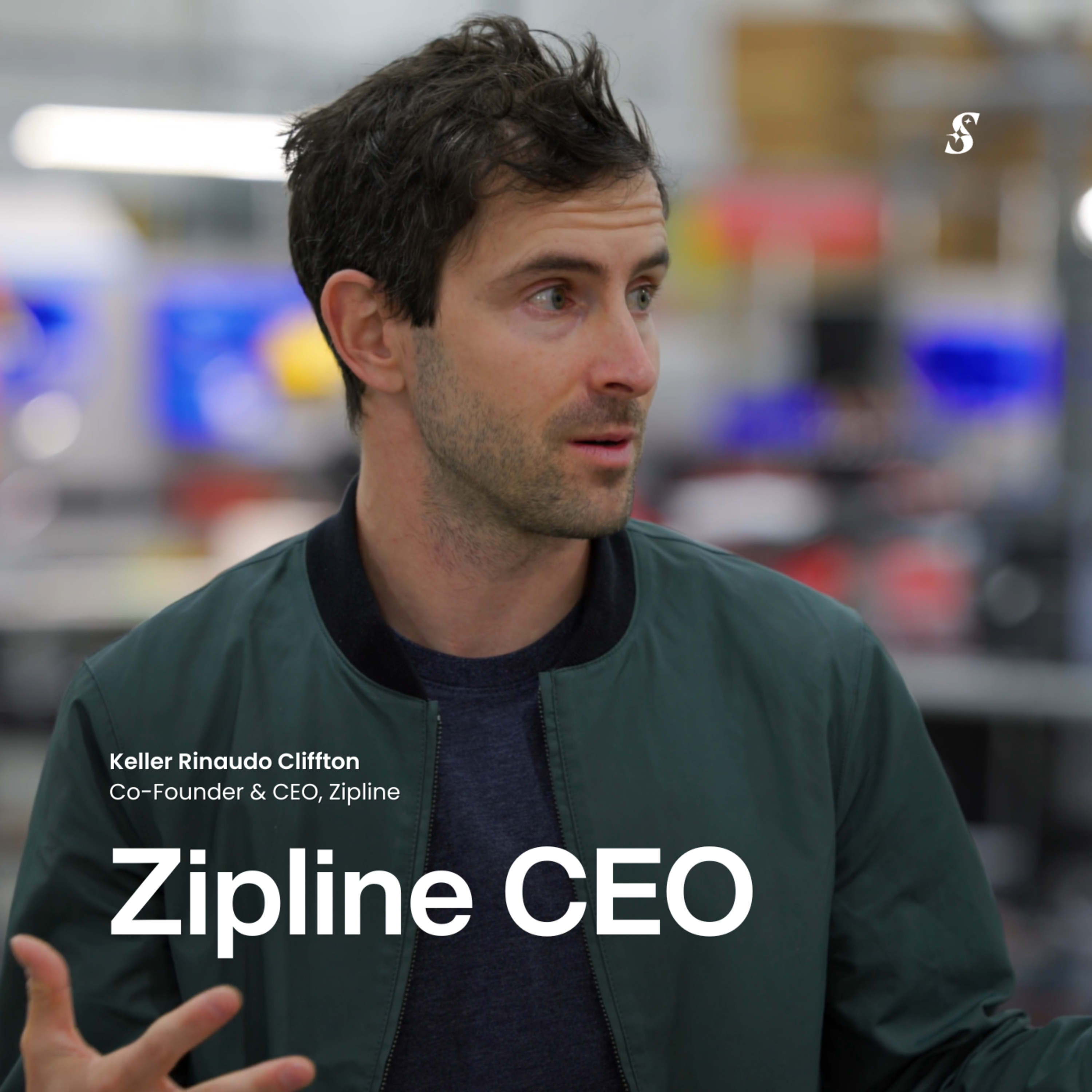
To manage hypergrowth, a startup must hire leaders who have already experienced scale orders of magnitude greater. Zipline hired ex-Tesla CFO Deepak Ahuja, who had scaled Tesla to a trillion-dollar valuation. This brings in crucial experience to navigate the challenges of the next growth phase that the existing team has never seen.
Creator-founder Alison Roman admits her strength is in product development, which she calls 'the easy part.' She now needs to hire a 'boss' for the venture to handle business strategy and scaling, a common pain point for founders transitioning from creator to CEO.
