Get your free personalized podcast brief
We scan new podcasts and send you the top 5 insights daily.
Instead of a vague R&D goal, Google gave its AV team a specific, gamified challenge: complete 10 tricky 100-mile routes flawlessly. This clear objective focused their efforts, enabling them to achieve the goal in half the expected time.

Related Insights
Major AI breakthroughs like Transformers accelerate initial progress but are not silver bullets for the safety-critical long tail. The nature of the problem is that getting a prototype working is relatively easy, but achieving the final "nines" of reliability is incredibly difficult, justifying Google's early, multi-decade investment.
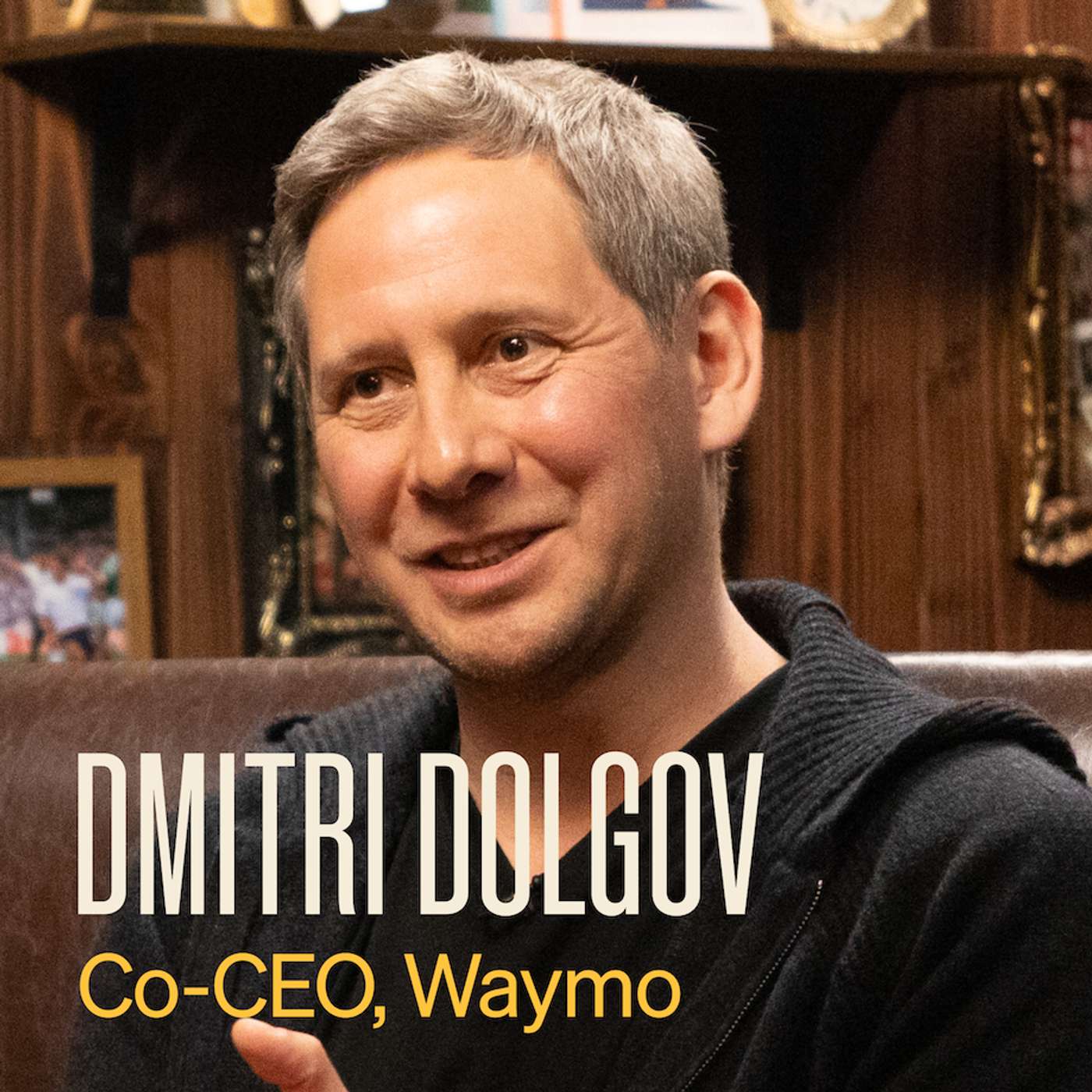
Demis Hassabis learned from his first failed company to balance maximalist ambition with practicality. At DeepMind, instead of attempting the grand goal immediately, he created a ladder of achievable steps—like mastering Atari games—to guide the team toward the ultimate vision of AGI.

After a casual challenge from the Secretary of the Army, Applied Intuition retrofitted its autonomous systems onto an infantry vehicle in 10 days. This proves complex defense applications can be rapidly developed, directly challenging the notion that military innovation requires multi-year procurement cycles.

When deciding whether to continue funding long-term bets like Waymo, Google focuses less on immediate commercial viability and more on the progress of the core technology. As long as key metrics on the underlying tech curve (e.g., the Waymo driver's safety) are improving, they maintain their commitment.

The Pentagon's research arm, DARPA, used a million-dollar prize for a driverless car race to catalyze innovation. This contest model successfully attracted and identified the diverse engineering talent who would later lead the entire autonomous vehicle industry.
When building its self-driving car team, Google intentionally hired software engineers over automotive experts. They found industry veterans were so ingrained in the existing paradigm that they couldn't adapt to a software-first approach and ended up firing them. The project's success came from fresh minds.
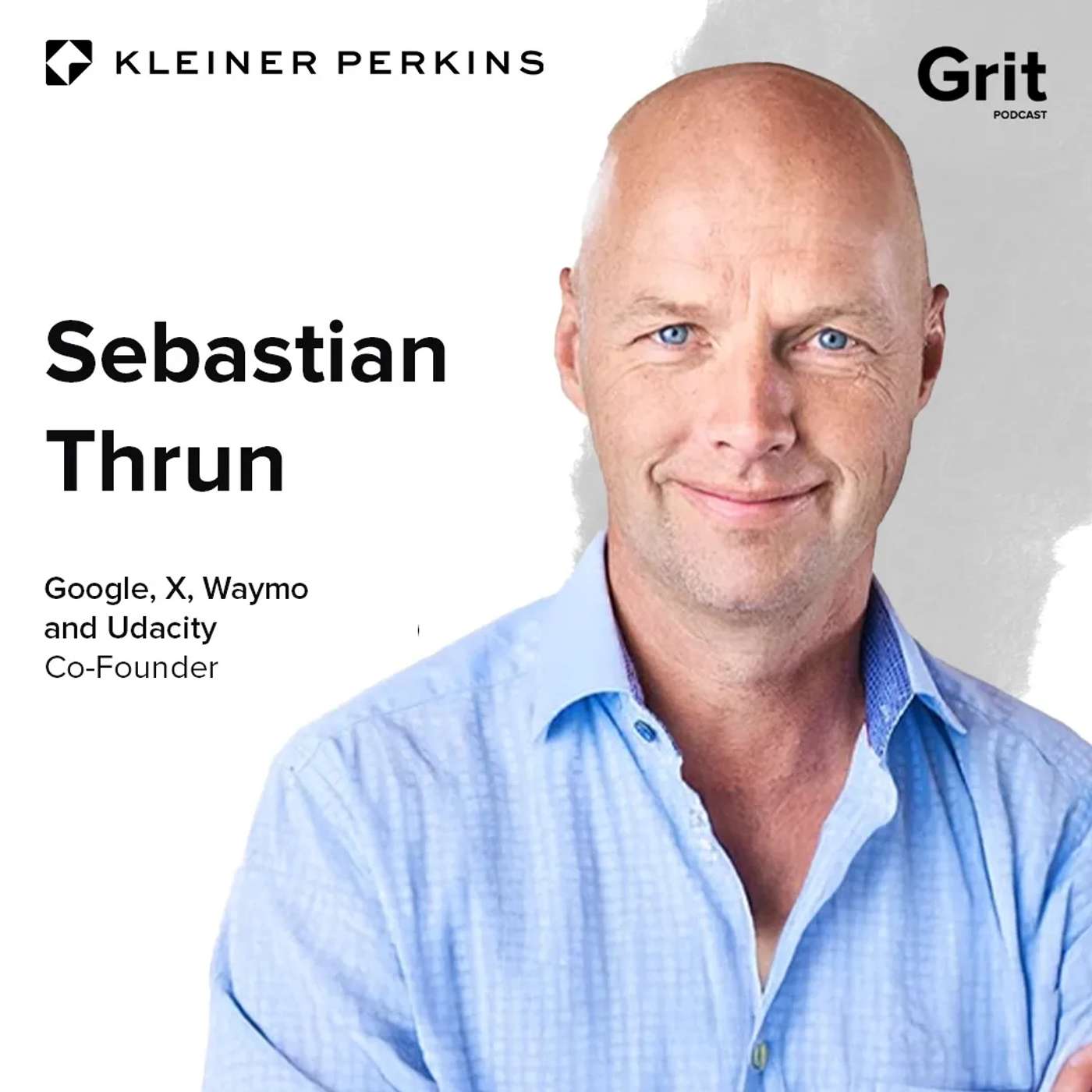
Frame moonshot projects like Google's Waymo not as singular bets, but as platforms for innovation. Even if the primary goal fails, the project should be structured to spin off valuable 'side effects'—advances in component technologies like AI, mapping, or hardware that benefit the core business.

AV companies use "Operational Design Domains" (ODDs) to define safe operating environments. They expand from a cleared city (e.g., Las Vegas) to a similar one (e.g., Los Angeles) to reuse core engineering solutions and only solve for marginal differences, accelerating rollout.

While early teams in the DARPA challenge focused on robust hardware, Stanford's Sebastian Thrun correctly identified the core challenge as software. He prioritized AI to replace the human driver's decision-making, a fundamental shift that led to his team's victory.
For teams in hyper-competitive spaces like AI, speed is not a goal but a necessity. The team's mindset is that there is no alternative to shipping fast; it's the only way to operate, learn, and stay relevant. This isn't a choice, but a requirement for survival.
