Get your free personalized podcast brief
We scan new podcasts and send you the top 5 insights daily.
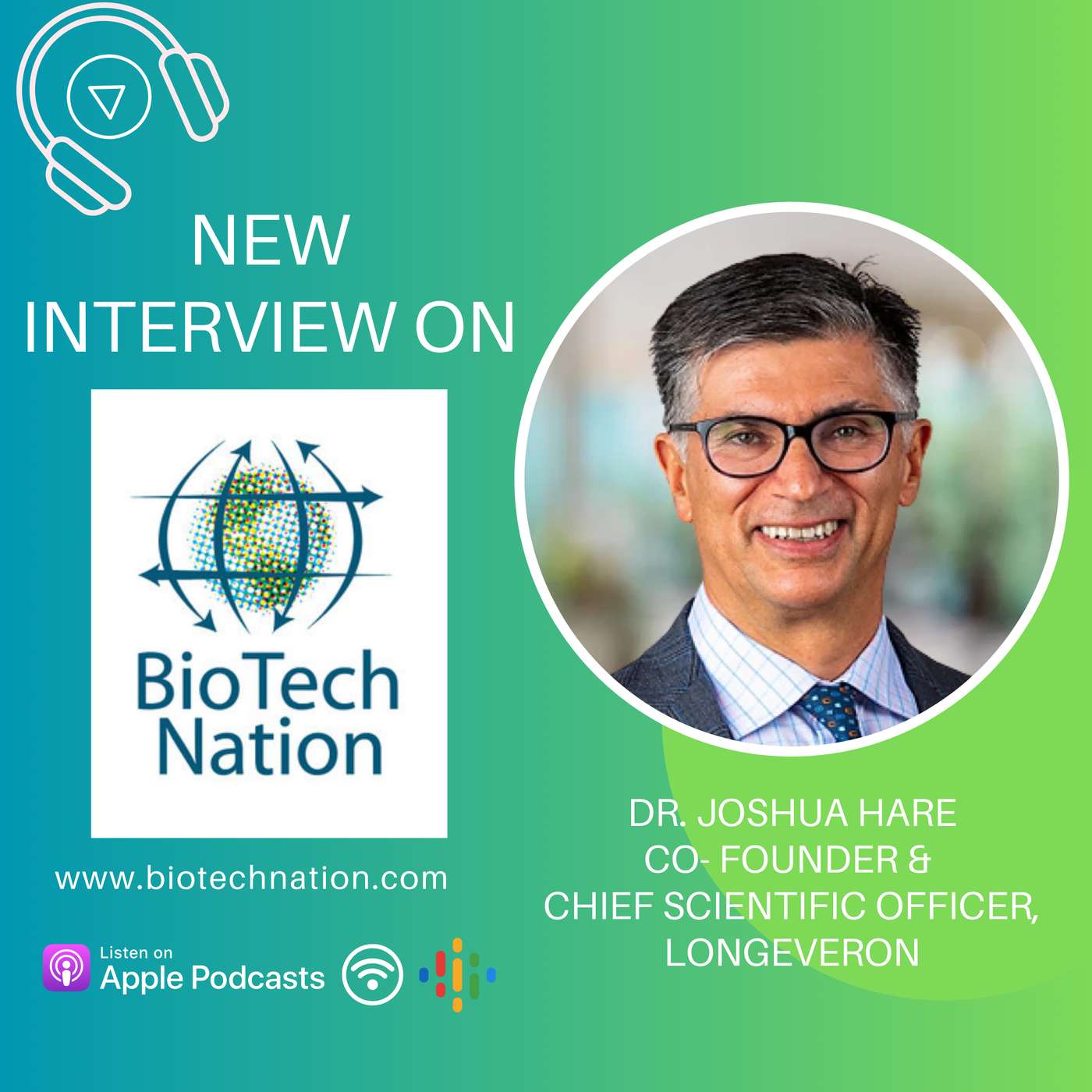
The company's core technology isn't a single-disease solution but a platform using healthy mesenchymal stem cells. Their strategy focuses on conditions affecting the most vulnerable: congenital heart defects in infants and inflammatory, degenerative diseases like Alzheimer's and aging frailty in the elderly.
Related Insights
A key evolution in cell and gene therapy is the significant effort to target tissues beyond the liver, such as the lungs, kidneys, pancreas, and CNS. While a major technical and clinical challenge, this expansion is critical for moving beyond traditional ex vivo therapies and treating a wider range of diseases.

The IGI simultaneously pursues two tracks: It targets monogenic diseases where cures are achievable now for immediate impact. In parallel, it invests in the foundational science needed to tackle highly complex diseases like Alzheimer's and solid tumors, building a portfolio for the long term.

To navigate a field where "aging" is not a recognized disease, Rejuvenate Biomed targets sarcopenia, a specific, age-related muscle-wasting condition. This provides a clear regulatory path to market. Success in this indication generates data that validates their broader platform for healthy aging, effectively using a specific disease to pioneer an entirely new therapeutic category.

Despite initial hype in oncology where business models struggled, cell therapy is finding a major new application in treating autoimmune diseases. By resetting the immune system, it can offer functional cures for debilitating conditions—a powerful and unexpected pivot for the technology platform.

Beyond its lead product Orca T for matched donors, the company is building a broader platform. Its Orca Q program addresses mismatched donors, expanding the patient pool. Furthermore, collaborations to combine Orca T with allogeneic CAR-T therapies position the technology as a foundational solution for overcoming key hurdles in the wider cell therapy field.
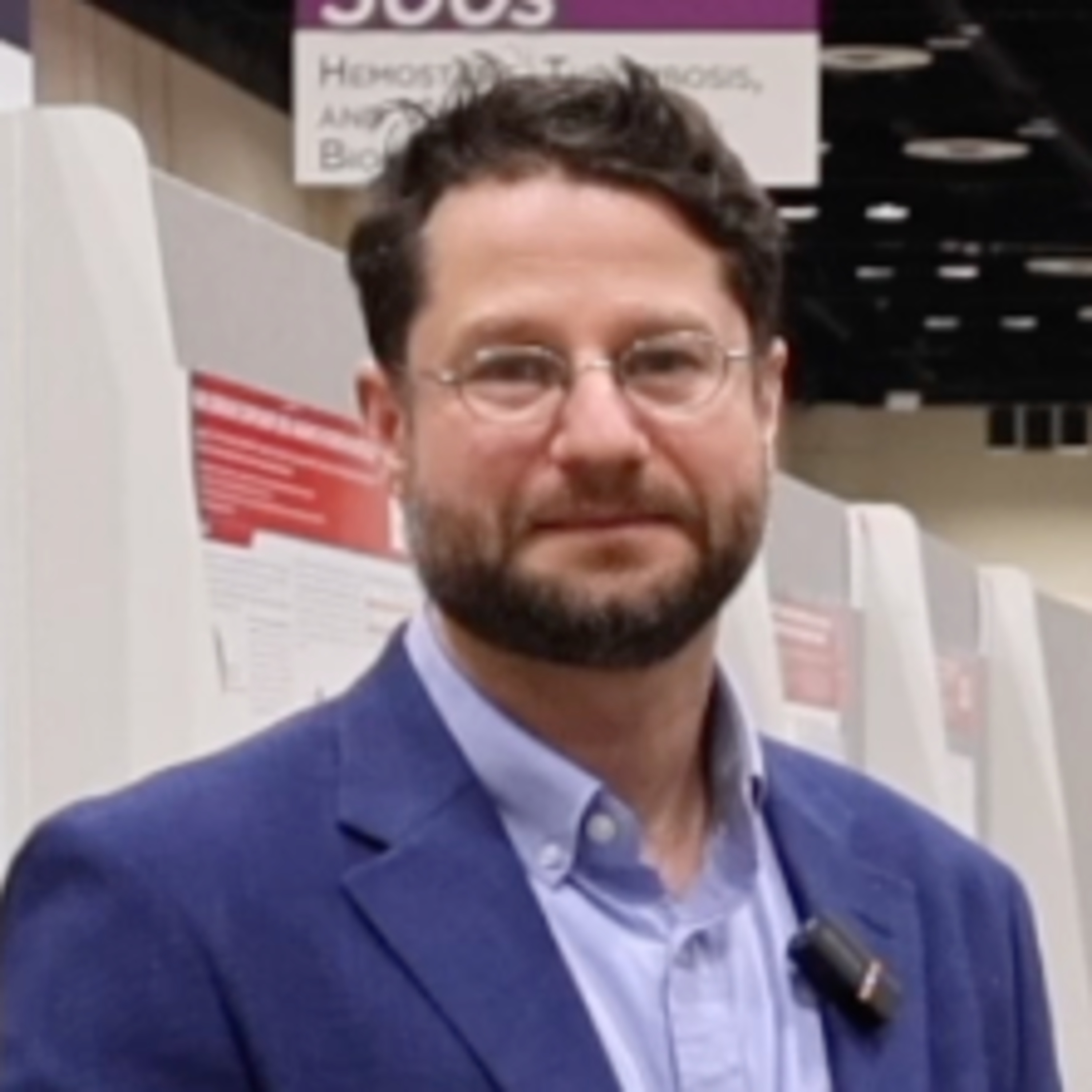
Coya's therapeutic approach is not limited to ALS. The company views the underlying mechanism—dysfunctional regulatory T-cells driving neuroinflammation—as a common pathway in other conditions like frontotemporal dementia, Alzheimer's, and Parkinson's. This positions their drug as a platform technology, creating a broader pipeline and de-risking the company from reliance on a single indication.
Liz Parrish realized that creating drugs for children faced immense regulatory hurdles. By targeting aging in adults, she could de-risk gene therapies and develop treatments also applicable to childhood illnesses, creating a faster, more viable path to helping kids.

While T-regs are most commonly associated with autoimmune conditions, Coya focuses on neurodegeneration. This strategy is based on their founder's research showing T-reg dysfunction is a major driver of diseases like ALS and FTD, applying a known biological mechanism to a novel, high-unmet-need therapeutic area.

The T-cell delivery system is versatile. It can carry T-cell engagers for cancer, but also antibodies for Alzheimer's or oligonucleotides. By using different T-cell types (like regulatory T-cells), it can also be used to reduce inflammation, expanding its applicability beyond oncology.

The paradigm for stem cells is shifting. Instead of using them for their innate therapeutic properties, the "MSC 2.0" vision treats them as a chassis. Once engineering and manufacturing are solved, you can encode diverse biological functions into them, turning them into programmable vehicles for various payloads and diseases.
