Get your free personalized podcast brief
We scan new podcasts and send you the top 5 insights daily.
By intentionally limiting its team size to around 230 people, the firm ensures senior partners can provide deep mentorship to the next generation. This structure prevents the team from becoming internally focused and keeps them hunting for deals, which are "not in the office."
Related Insights
Instead of building a platform team of specialists, Eclipse operates like a small special forces unit. A lean team of senior partners, all ex-operators, handles everything from thesis creation to scaling companies. This ensures founders get direct support from proven builders, not junior staff.
By strictly limiting team size, a company is forced to hire only the “best in the world” for each role. This avoids the dilution of talent and communication overhead that plagues growing organizations, aiming to perpetually maintain the high-productivity “mind meld” of a founding team.

Contradicting the common startup goal of scaling headcount, the founders now actively question how small they can keep their team. They see a direct link between adding people, increasing process, and slowing down, leveraging a small, elite team as a core part of their high-velocity strategy.

An investment committee's value extends beyond simple gatekeeping. It serves as a vital communication tool between company divisions, a focusing mechanism to prevent chasing distractions, and a mentoring opportunity where junior talent can learn from senior-level analysis and decision-making.

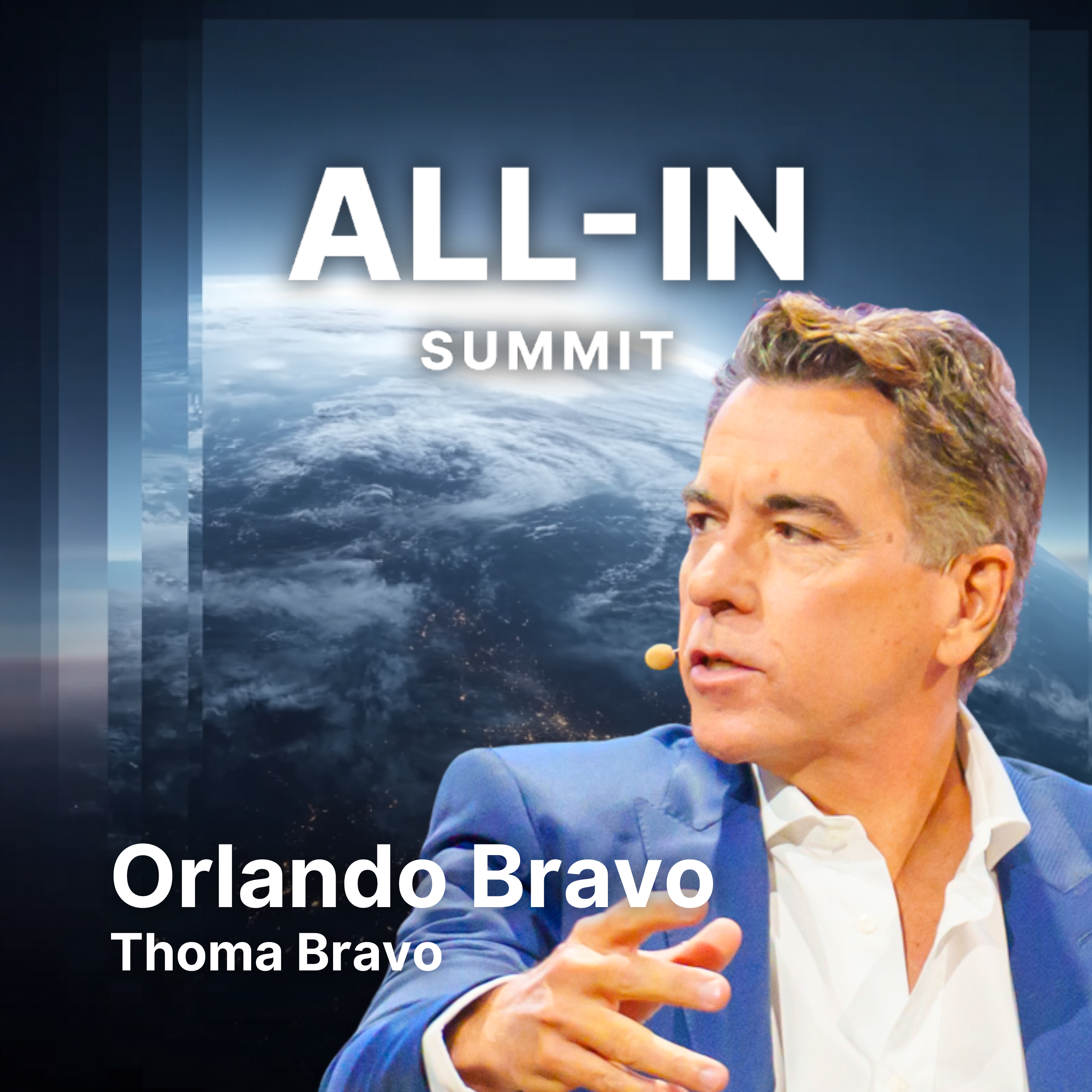
Contrary to the typical founder narrative of invention, Orlando Bravo emphasizes that his career was built on execution and disciplined learning. He actively listened to his mentors, absorbing their playbooks rather than trying to invent his own, suggesting apprenticeship can be a faster path to success.
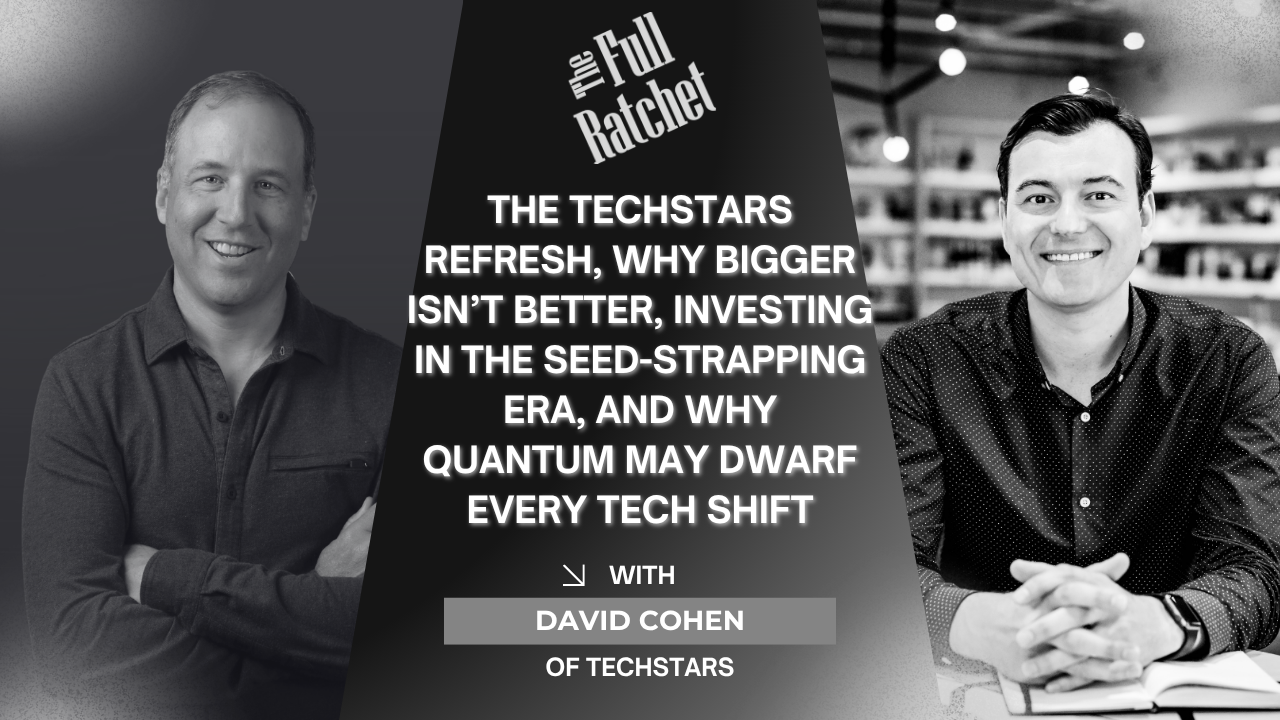
To maintain quality and individual attention, Techstars scales its accelerator model by launching programs in new cities worldwide rather than increasing the size of existing cohorts. Keeping classes small (8-10 companies) allows for deep engagement from the local mentor community, a model that prioritizes depth over breadth in a single location.
Premira fosters an entrepreneurial culture where even junior employees are encouraged and supported to identify new investment themes, source potential deals, and see them through. This autonomy acts as a powerful retention tool, creating a path to career-defining wins.

To avoid bureaucratic bloat, organize the company into small, self-sufficient "pods" of no more than 10 people. Each pod owns a specific problem and includes all necessary roles. Performance is judged solely on the pod's impact, mimicking an early-stage startup's focus.

TA Associates uses a hybrid investment committee. A central group reviews deals but delegates final approval to a small team of four partners (two from the deal team, two from the committee) who conduct deep, in-person diligence. This decentralizes decision-making to those closest to the information.
Gamma scaled to a $2B valuation with only 50 people by innovating on org design, not just product. They prioritize hiring generalists over specialists and use a 'player-coach' model instead of a traditional management layer. This keeps the team lean, agile, and close to the actual work.
