Get your free personalized podcast brief
We scan new podcasts and send you the top 5 insights daily.
While the endowment model is popular, its implementation via managers with high portfolio churn (like long-short funds) is ill-suited for family offices. Unlike tax-exempt endowments, taxable investors suffer the full cost of frequent trading, requiring a modified, more tax-aware strategy.

Related Insights
The shift to index funds was triggered not by a belief in market efficiency, but by the surprising discovery that alternative investments are highly tax-inefficient for individuals due to non-deductible fees and ordinary income, creating a tax drag of up to 20%.

Many family offices mistakenly pursue direct investing without hiring world-class, specialized teams. This makes them 'tourist investors' who take on poorly understood risks. The guiding principle should be to either build the best team or partner with the best external managers.

The primary roadblock in pre-liquidity planning isn't legal complexity but founders' indecision on personal values like inheritance. Failing to define "who gets what and when" paralyzes the process, causing them to miss crucial tax optimization windows before a liquidity event.
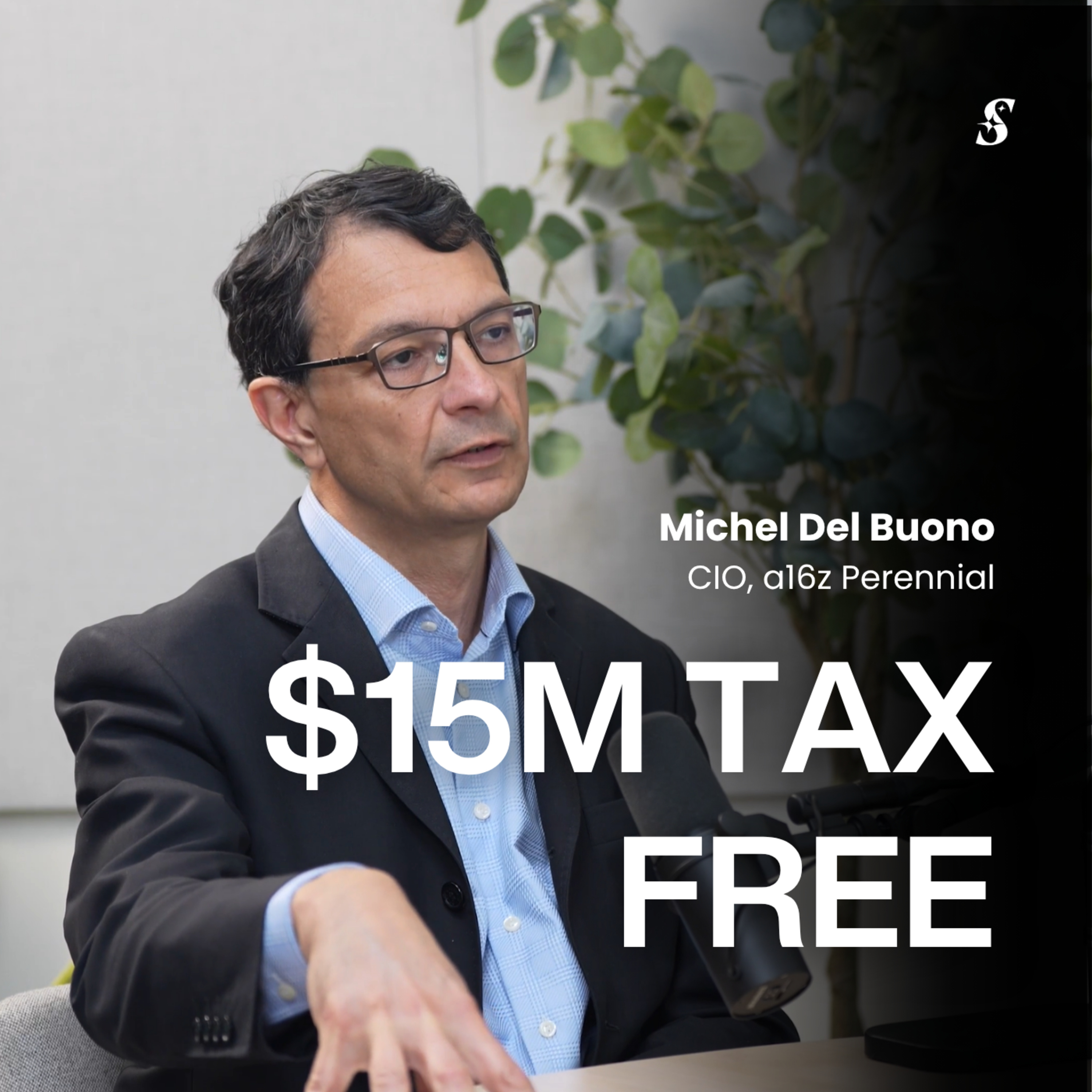
Leveraged long-short strategies can generate 2-10x more tax losses than typical direct indexing. While a long-only portfolio's cost basis depletes over time, the short side of the portfolio provides a theoretically unlimited source of tax losses as the market rises, making it a powerful tax-loss harvesting engine.

The most successful multi-generational family offices treat their operations with the same rigor as a formal business. This includes defined structures, clear missions, and motivating family members, rather than just passively managing wealth.
High-net-worth individuals are poorly served by standard financial advisors. Traditional wealth managers lack investment skill, while institutional asset managers focus on pre-tax returns for their tax-exempt clients (like endowments), ignoring the huge potential of tax alpha for individuals.
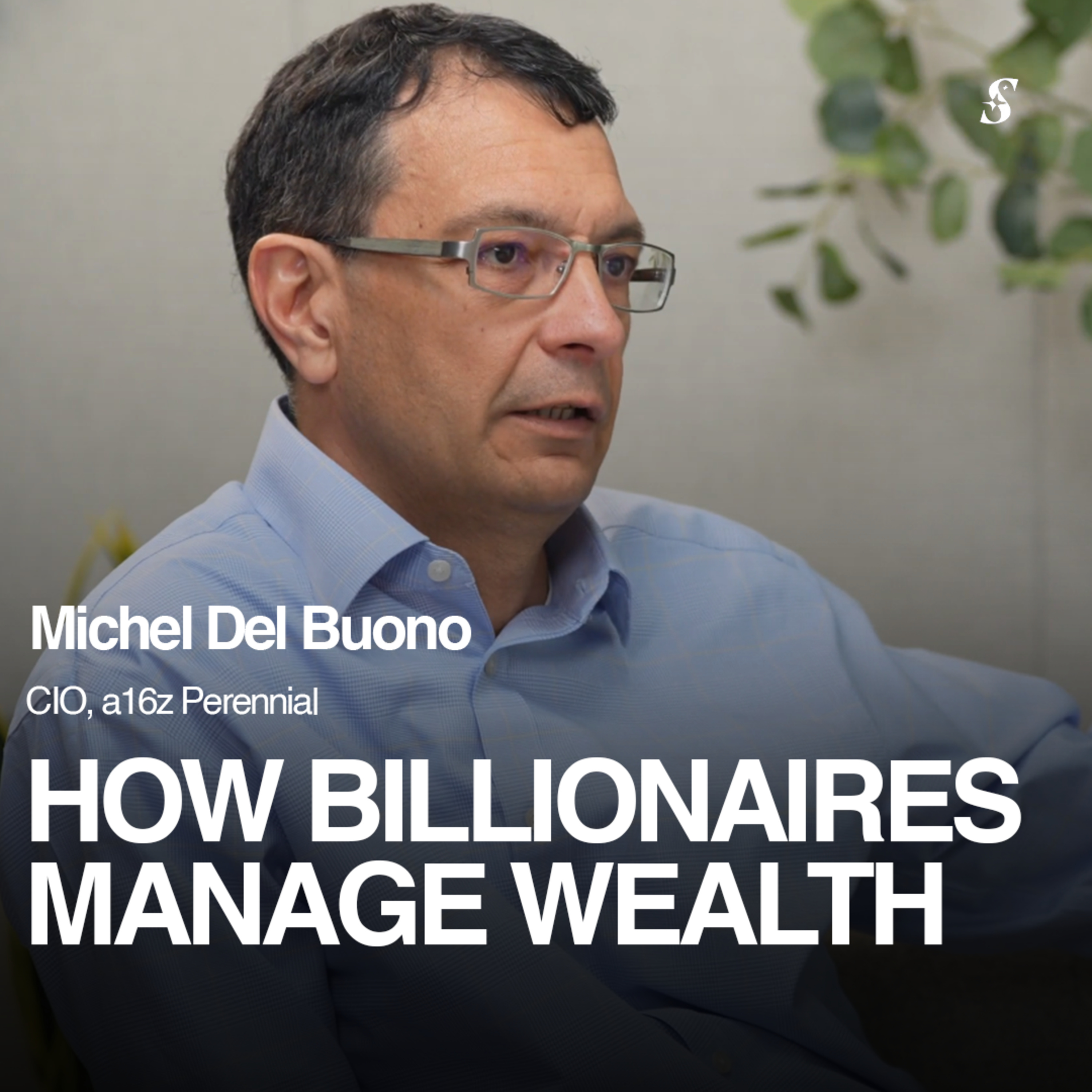
An effective strategy combines passive management for low-dispersion public equities with active management for high-dispersion private markets. For publics, tax-managed passive funds generate reliable tax alpha. For privates, active selection is crucial to capture significant outperformance from top-quartile managers.
Beyond charity, private family foundations act as powerful wealth-building vehicles. Assets like stocks and real estate can appreciate and be sold inside the foundation with zero capital gains tax. Furthermore, only 5% of assets must be donated annually, and family members can be hired, shifting income to lower tax brackets.

Family offices and PE firms have fundamentally opposed directives. A family office's primary goal is capital preservation ('don't lose money'), influencing everything from governance to hiring ex-private bankers. In contrast, PE firms seek leveraged returns, hiring 'running and gunning' fund managers to take calculated, asymmetrical risks.

Attorneys advocate for trusts while asset managers push tax-loss harvesting, but neither typically understands the other's domain. This creates a critical gap where founders lack a multidisciplinary view to effectively trade off these complex strategies, often leading to suboptimal financial outcomes.