Get your free personalized podcast brief
We scan new podcasts and send you the top 5 insights daily.
Mid-size pharma companies like Bausch Health can be more nimble than larger rivals by forgoing an internal research organization. This model allows them to focus on mid-to-late-stage development and acquisitions, pivoting capital quickly toward external assets with the highest scientific innovation and unmet need.

Related Insights
BridgeBio's unique structure creates dedicated subsidiaries for each program. This empowers small, focused teams closest to the science to make key decisions—"play calling on the field"—without layers of bureaucracy. This model dramatically accelerates development, leading to unprecedented output of new drugs.

For small biotechs, the playbook for success extends beyond scientific discovery. It requires creativity and innovation in the operational process itself—finding efficient paths through regulatory checkpoints, securing non-traditional funding, and leveraging external resources to advance development with limited capital.
Terry Rosen saw an opportunity as big pharma culturally shifted from deep R&D towards an asset-management model. He founded Arcus to fill this gap, building a company focused on the small molecule drug discovery expertise that the industry was starting to abandon, creating a counter-cyclical advantage.
Iolyx Therapeutics' CEO notes the surprising capital efficiency of lean biotech. Her team advanced a drug from discovery through Phase 2 for approximately $20 million—an amount she could have easily spent on a single marketing campaign at Genentech. This highlights the operational leverage of focused, small teams.
To avoid the pitfalls of scale in R&D, Eli Lilly operates small, focused labs of 300-400 people. These 'internal biotechs' have mission focus and autonomy, while leveraging the parent company's scale for clinical trials and distribution.
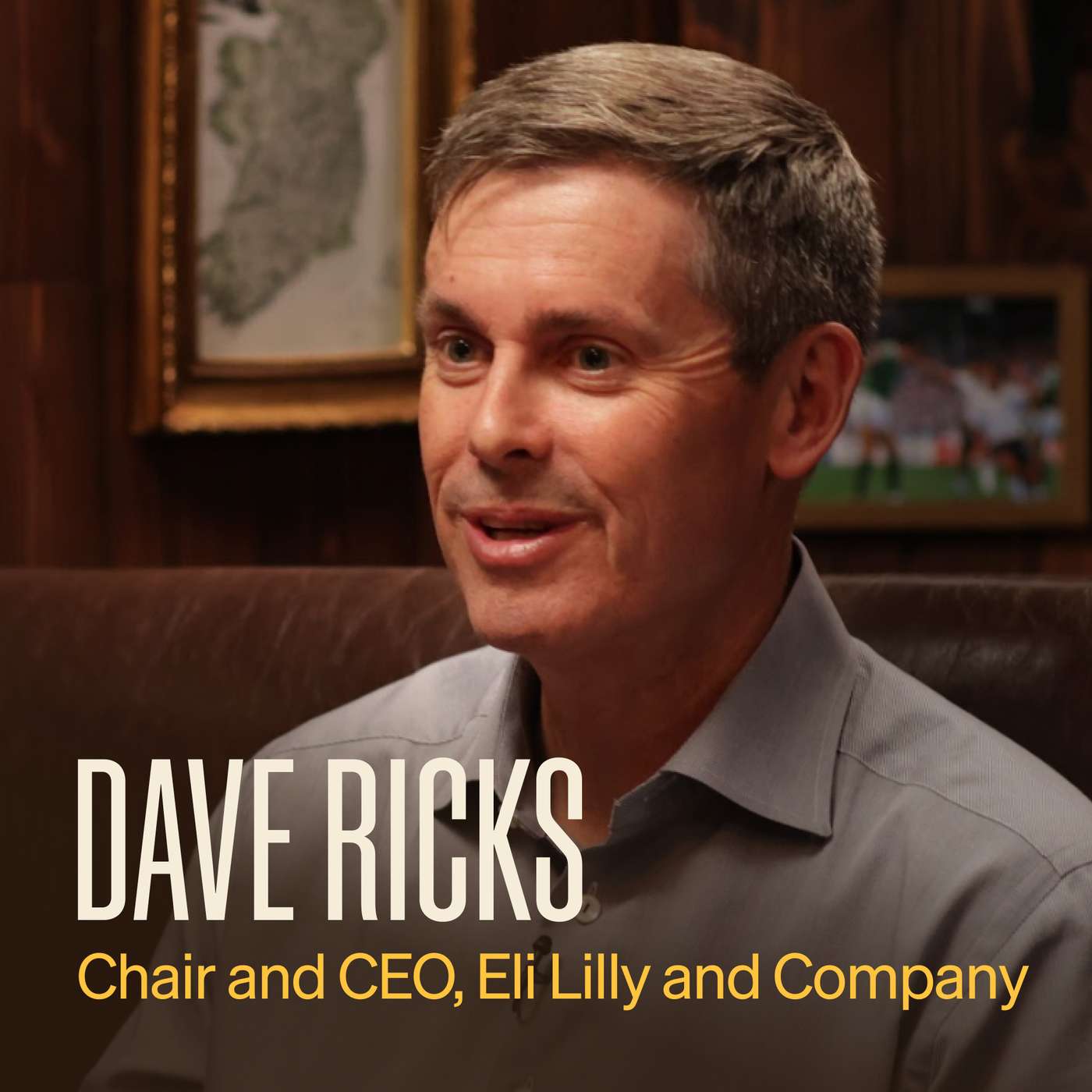
Former Biogen R&D head Al Sandrock defines the agility of a small company not just as speed, but as the ability to make decisions by informally gathering key people in the hallway, bypassing the need to schedule formal meetings. This contrasts with large organizations where many more people and committees are necessarily involved.

The widespread reduction in internal R&D spending does not signal a retreat from innovation. Instead, companies are redirecting capital towards external opportunities, evidenced by a recent surge in multi-billion dollar M&A 'bolt-on' deals. This represents a strategic shift from building in-house to buying external assets.

Alan Bash describes Legend Biotech as a 'Goldilocks company.' It has an approved, blockbuster therapy, a strong balance sheet, and a pipeline, providing stability. Yet, it maintains a small, agile culture focused on fast decision-making, offering the best of both worlds.

Ipsen avoids the high-risk, capital-intensive phase of basic research. Instead, its R&D strategy focuses on licensing promising drug candidates from universities and biotechs. The company then leverages its expertise in later-stage development, including toxicology, manufacturing scale-up (CMC), and clinical trials, to bring these de-risked assets to market.
Lacking internal research capabilities, Mirum's core business model is to in-license or acquire promising assets. This strategy, initiated in 2018 with assets from Shire, relies on their proven operational team to develop and maximize the value of external innovations.