Get your free personalized podcast brief
We scan new podcasts and send you the top 5 insights daily.
Iolyx Therapeutics' CEO notes the surprising capital efficiency of lean biotech. Her team advanced a drug from discovery through Phase 2 for approximately $20 million—an amount she could have easily spent on a single marketing campaign at Genentech. This highlights the operational leverage of focused, small teams.

Related Insights
While a challenging fundraising market seems negative, it forces startups to operate with discipline. Unlike in frothy markets where companies expand based on hype, the current climate rewards tangible results. This compels a lean structure focused on high-value projects, creating a healthier long-term business model.

Elizabeth Jeffords shares a Genentech adage for biotech growth: give away your first and possibly second product via licensing deals. This strategy, which Iolyx followed, provides crucial non-dilutive capital and validation, building a foundation to eventually commercialize a third asset independently.
Uniquity Bio, a 35-person firm, runs three Phase 2 trials concurrently—a resource-intensive strategy. This is possible because substantial private funding (from Blackstone) allows them to focus on clinical advancement rather than constant fundraising, de-risking an aggressive, multi-pronged approach.

Alan Bash's biggest learning after moving from Bristol-Myers Squibb to smaller biotechs was the constant pressure of cash runway. Unlike in large pharma where budgets are a concern, in biotech, cash availability dictates all strategic choices, including partnerships and M&A.

In the rare disease space, success hinges on deep patient community engagement. Smaller, nimbler biotechs often excel at creating these essential personal ties, giving them a significant advantage over larger pharmaceutical companies.
The transition from a resource-rich environment like Novartis to an early-stage biotech reveals a stark contrast. The unlimited access to a global organization is replaced by a total reliance on a small, nimble team where everyone must be multi-skilled and hands-on, a change even experienced executives find jarring.
Actuate Therapeutics maintains high capital efficiency by keeping its full-time headcount low. The company is built around a trusted core team and supplemented by an extensive stable of "best of breed" consultants who are engaged on an as-needed basis, minimizing overhead costs.
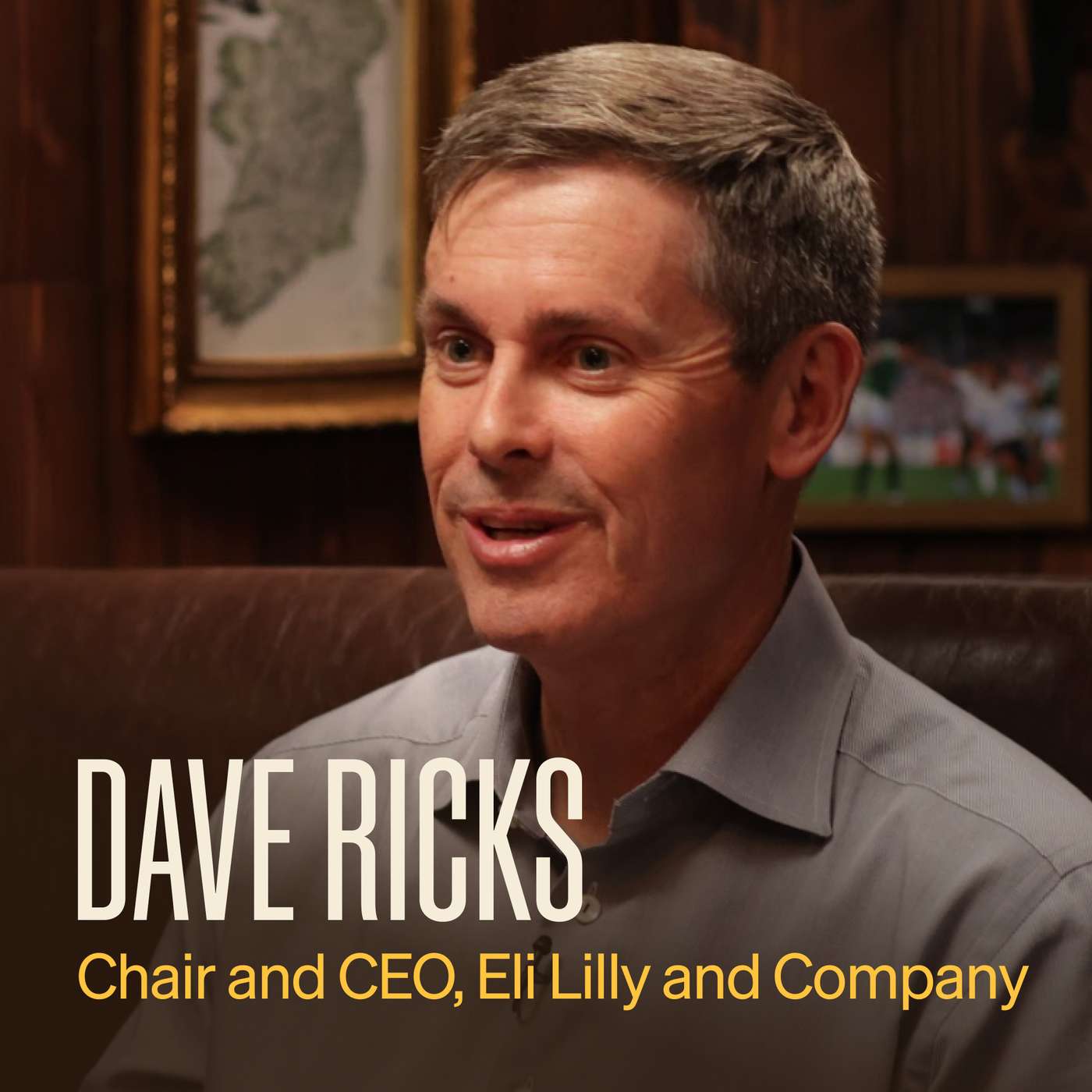
To avoid the pitfalls of scale in R&D, Eli Lilly operates small, focused labs of 300-400 people. These 'internal biotechs' have mission focus and autonomy, while leveraging the parent company's scale for clinical trials and distribution.
Instead of a broad "basket study," Iterion pursued a highly focused clinical strategy targeting specific indications. This, combined with $26 million in large, product-development grants from Texas's CPRIT, allowed for extreme capital efficiency, a rare feat in oncology drug development.
AeroRx achieved major clinical milestones—finalizing formulation, a Phase 1 study, and a Phase 2a proof-of-concept trial—on just $6.5M. This capital efficiency was possible because they combined well-understood, de-risked molecules. This allowed them to focus resources on the novel formulation and clinical execution rather than expensive, high-risk basic research.