Get your free personalized podcast brief
We scan new podcasts and send you the top 5 insights daily.
A product engineer at Samsara with little prior data science experience built a sophisticated video analysis tool for detecting vehicle misuse. This demonstrates how accessible, powerful platforms democratize AI and blur the lines between specialized and generalist engineering roles.

Related Insights
Beyond traditional engineers using AI and non-technical "vibe coders," a third archetype is emerging: the "agentic engineer." This professional operates at a higher level of abstraction, managing AI agents to perform programming, rather than writing or even reading the code themselves, reinventing the engineering skill set.

AI tools have democratized software development, with nearly half of users who 'vibe code' coming from executive, product, operations, and sales roles. Coding is no longer an exclusive engineering function but a universal skill for problem-solving across the entire business.

AI coding agents like Claude Code are not just productivity tools; they fundamentally alter workflows by enabling professionals to take on complex engineering or data tasks they previously would have avoided due to time or skill constraints, blurring traditional job role boundaries.

AI tools are blurring the lines between roles. Vercel SVP Aparna Sinha notes that product managers can now build and test working products, not just prototypes. This allows for hyper-efficient, small teams—sometimes just one person—to achieve the output of a full squad.

AI assistants empower engineers to tackle tasks outside their core expertise, expanding their capabilities from a single deep specialty ('T-shaped') to multiple areas of depth. This allows for more versatile, self-sufficient team members who can manage broader responsibilities.

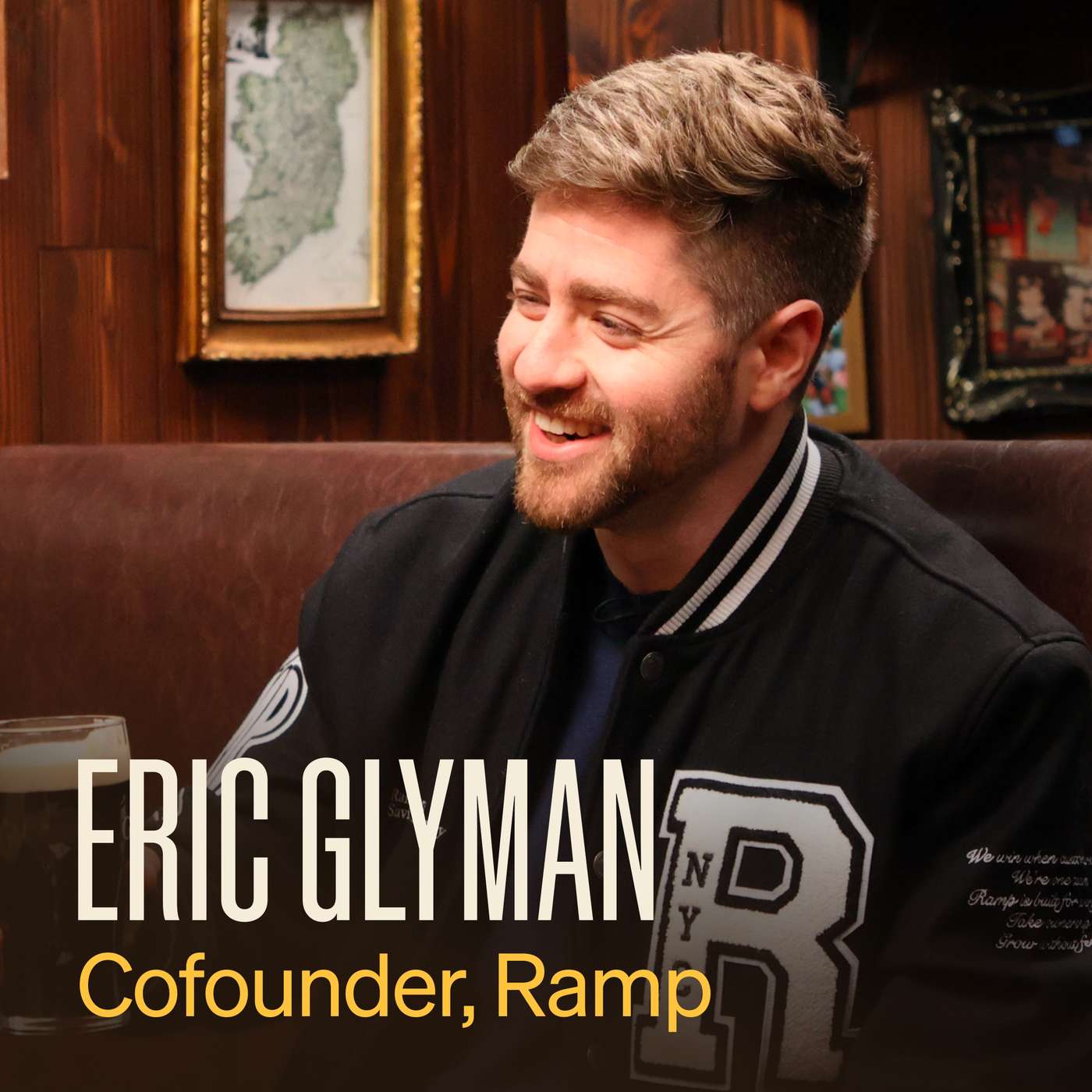
With AI coding assistants, the barriers to shipping software are eroding. At Ramp, designers and customer support agents are now shipping code to production. This suggests a future where the traditional, siloed Engineering, Product, and Design (EPD) team structure becomes obsolete.
AI reverses the long-standing trend of professional hyper-specialization. By providing instant access to specialist knowledge (e.g., coding in an unfamiliar language), AI tools empower individuals to operate as effective generalists. This allows small, agile teams to achieve more without hiring a dedicated expert for every function.
AI coding tools democratize development, making simple 'coding' obsolete. However, this expands the amount of software created, which in turn increases the need for sophisticated 'engineering' to manage new layers of complexity and operations. The field gets bigger, not smaller.

The creator of "Last 30 Days" is not a professional software engineer. He built the tool by using AI (Claude Code, ChatGPT) as his development partner, feeding it errors via screenshots and iterating on its suggestions. This workflow empowers non-technical individuals to create and ship valuable software.

People without a coding background approach AI tools with a "positively delusional" mindset, attempting tasks that technical experts might deem impossible. This unbiased approach often leads to discovering novel capabilities of AI platforms and pushing their boundaries in unexpected ways.