Get your free personalized podcast brief
We scan new podcasts and send you the top 5 insights daily.
Law firms currently benefit from subsidized, 'all-you-can-eat' AI pricing. As providers shift to consumption-based token pricing, the true, variable cost will emerge. This will likely cause 'sticker shock' and force a recalculation of AI's actual economic benefit.

Related Insights
AI model providers are shifting from subsidized subscriptions to metered, usage-based pricing for their most powerful models. This forces go-to-market teams to stop experimenting freely and start rigorously calculating the ROI for each AI-powered workflow, as costs are now directly tied to usage.

Current AI models are priced too cheaply, leading to inefficient consumption like using powerful models for simple tasks. As prices rise to reflect true costs, companies will need to optimize usage. This may create a new role, the 'Chief Token Officer,' responsible for allocating AI compute resources versus human capital.

For years, flat-rate AI subscriptions heavily subsidized power users, masking the true cost of token consumption. As providers shift to usage-based billing, this subsidy is ending. Enterprises now face "sticker shock" and must justify AI spend with clear ROI, moving from rampant experimentation to cost-conscious implementation.
![The AI Token Shortage Begins [AI Monthly Recap] thumbnail](https://d3t3ozftmdmh3i.cloudfront.net/staging/podcast_uploaded_nologo/41472609/41472609-1752234663609-8665756a468e5.jpg)
Flat-rate AI plans are becoming economically unviable due to token-hungry agents. Companies like Google and Microsoft are pushing usage-based billing, forcing enterprises to confront the surprisingly high real cost of running models at scale, which was previously hidden by subsidized pricing experiments.
As more companies integrate AI, their costs are tied to variable usage (e.g., tokens, inference). This is causing a profound, economy-wide transformation away from predictable seat-based subscriptions towards more dynamic usage-based models to align costs with revenue.

The current subsidized AI subscription model is unsustainable. The inevitable shift to pay-per-token pricing will expose the true cost of inference. For tasks like coding, where AI can "hallucinate" and burn tokens in loops, this creates unpredictable and potentially exorbitant costs, akin to gambling.

AI is splitting software into two categories: "access products" and "work products." While access tools can stick with seat-based pricing, work products (e.g., AI that processes legal contracts) must adopt outcome-based pricing, as value is tied to output, not the number of users.

As companies spend billions on tokens, they will demand justification, similar to how law firms use the billable hour. Vertical AI startups can win by demonstrating the specific ROI of every token used for a business task, answering the question: 'Where's my ROI?'
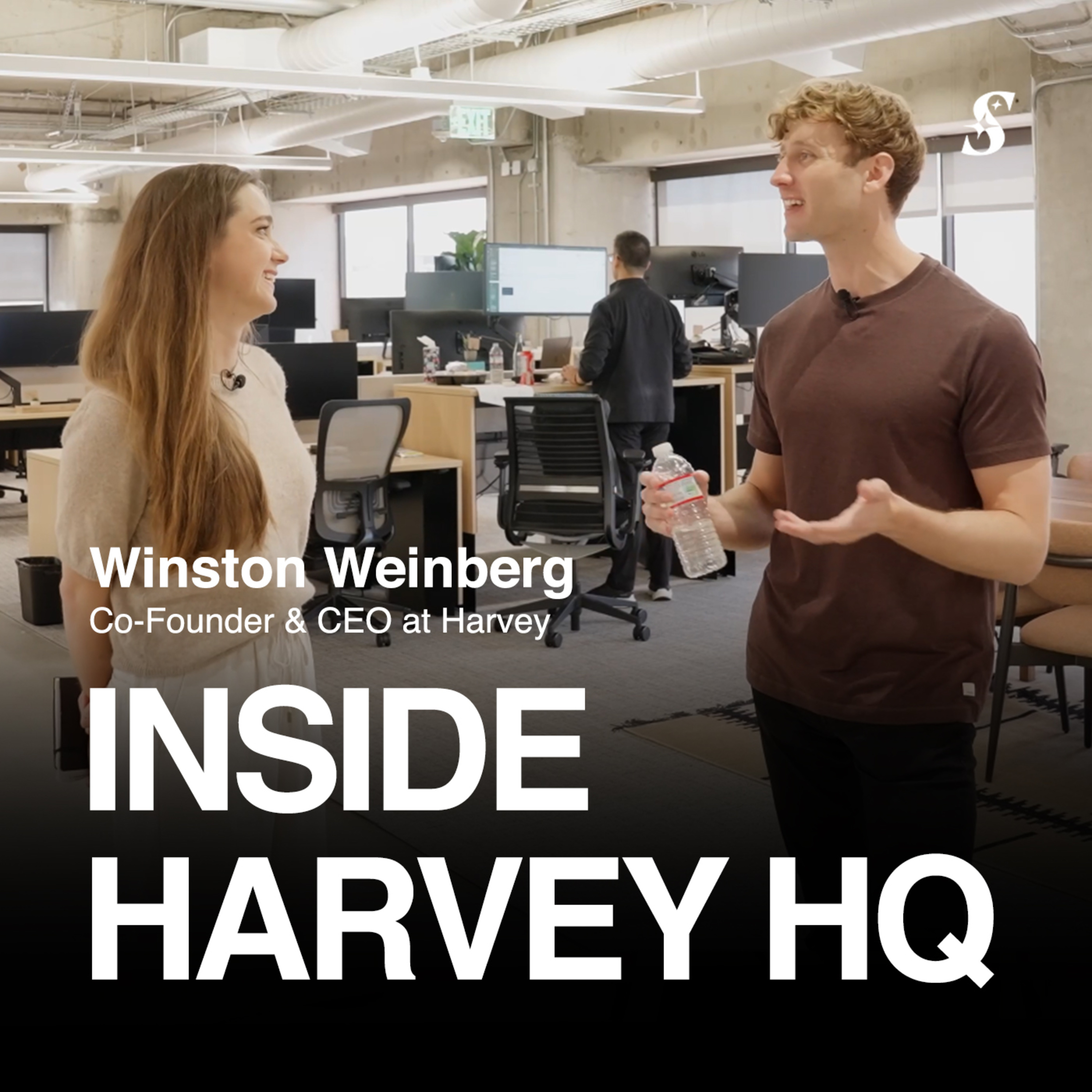
Measuring AI's value by hours saved is misleading for law firms, as it can imply lower revenue. The true ROI comes from what lawyers do with that saved time: pursuing more complex strategies, conducting deeper analysis, and spending more time with clients—high-value work previously constrained by time.

AI companies moving to token-based pricing will face the same client scrutiny as law firms with billable hours. Customers, shocked by huge, unpredictable bills, will demand granular usage reports, creating a new market for cost optimization and transparency tools.