Get your free personalized podcast brief
We scan new podcasts and send you the top 5 insights daily.
Founding WSJ sports editor Sam Walker used a powerful creative filter for stories. The idea had to be so clever and novel that a key source could plausibly say, "I've never seen anything like this before." This ensures originality and impact.

Related Insights
Founder Jesse Cole's creative engine is a simple rule: identify the standard way of doing things and then do the opposite. This ensures every idea is inherently remarkable and share-worthy, as people don't get excited about normalcy. It’s a core principle for breaking out of industry conventions.

The most effective innovators combine two seemingly contradictory traits: a boundless imagination to envision novel solutions and a ruthless pragmatism that rejects ideas that can't be translated into reality. One without the other leads to either fantasy or stagnation.
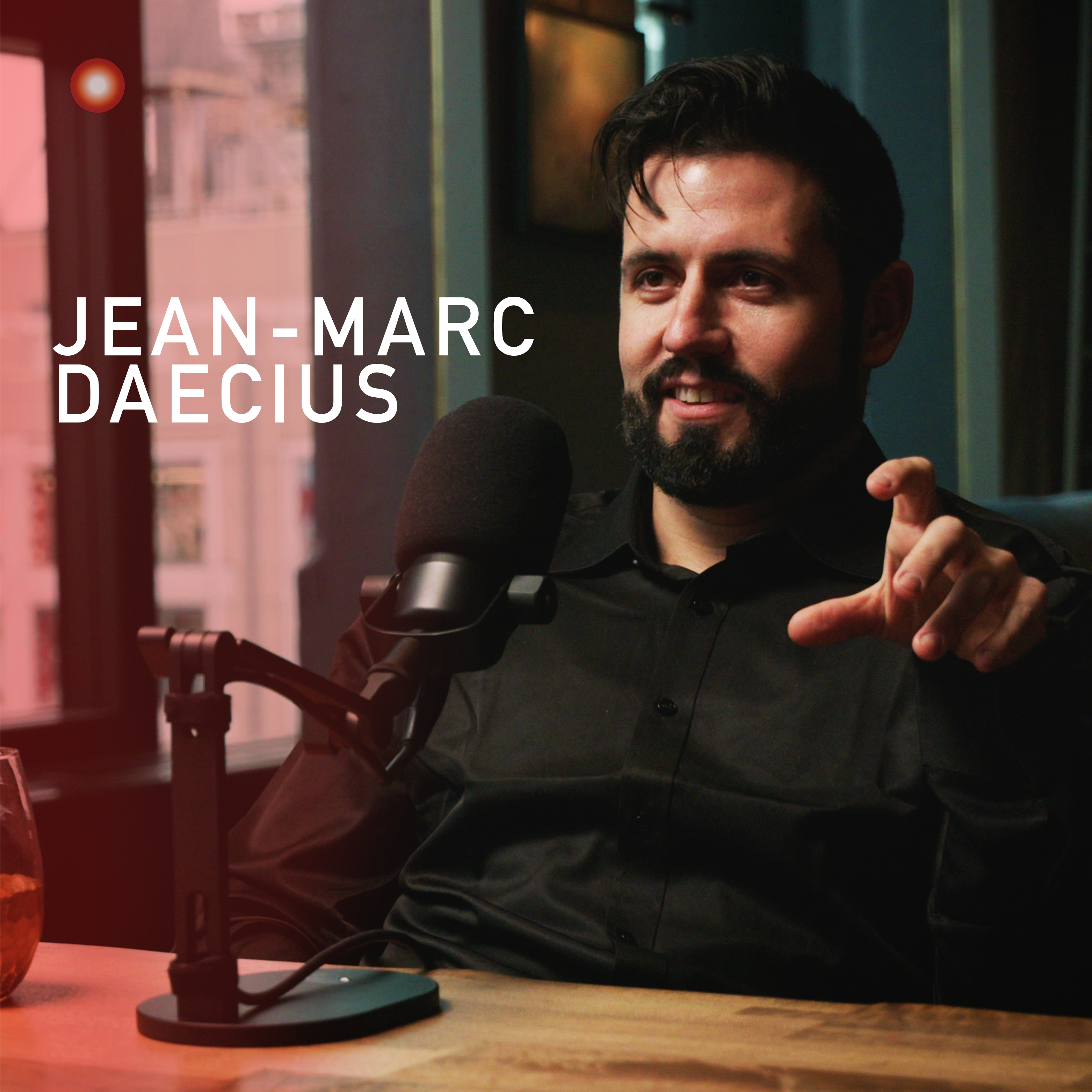
The Budweiser Red Light campaign was born from a perfect brief: a clear goal ("own hockey") paired with a significant constraint ("we just lost the NHL rights"). This tension between ambition and limitation forced the team to think beyond conventional advertising, leading to a breakthrough idea.

Before publishing, ask: "If I described this story to someone at a party, would they be interested?" If the answer is no, the core concept isn't compelling enough. This simple filter ensures your content is inherently engaging for a general audience, forcing you to find a better story or angle.

The pursuit of pure originality is often a status game that leads to incomprehensible ideas. A more effective approach is to see originality as a new way to show people an old, constant truth. This re-frames innovation as a novel form of derivation, making it more accessible and relatable.
![Wolfgang Hammer - The Power of Story - [Invest Like the Best, EP.447] thumbnail](https://megaphone.imgix.net/podcasts/adaa55e4-bead-11f0-a5d6-a799713dc0a0/image/a76713c3a8fb2abf443f9164703734c5.jpg?ixlib=rails-4.3.1&max-w=3000&max-h=3000&fit=crop&auto=format,compress)
Professional creatives don't wait for a muse; they use a disciplined process. It starts with absolute clarity on the message, followed by wide ideation, refinement and combination, and finally, the discipline to kill lesser ideas to elevate the best one.

Jeffrey Goldberg reveals a core editorial strategy he calls "stunt casting": placing brilliant writers in personally strange and uncomfortable situations. The goal is to leverage the core journalistic joy of exploring the unfamiliar to produce unique and compelling narratives that stand out.

Breakthroughs aren't radical inventions but small, crucial tweaks to existing concepts. Focusing too much on originality is counterproductive. The most successful ideas combine a familiar foundation with a unique twist that makes it feel new and exciting, like making a conventional dish but adding a special spice.

Improving imagination is less like a painter adding to a blank canvas and more like a sculptor removing material. The primary task is to forget expected answers and consensus reality. This subtractive process uncovers the truly novel ideas that are otherwise obscured by convention.
![Kevin Kelly - Be Generous and Unique - [Invest Like the Best, CLASSICS] thumbnail](https://megaphone.imgix.net/podcasts/9e957b1c-b60e-11f0-8fae-c3720ebd149d/image/fe443cb4b0d58f10dbccb1cf43a6abe2.jpg?ixlib=rails-4.3.1&max-w=3000&max-h=3000&fit=crop&auto=format,compress)
Because The Wall Street Journal's sports section launched in 2009, it had no legacy or established "way of doing things." This clean slate forced it to invent a modern, creative approach to sports coverage, free from the baggage of traditional newspapers.