Get your free personalized podcast brief
We scan new podcasts and send you the top 5 insights daily.
By offering a water purifier via a two-year subscription that manages maintenance and filter replacements, Wisewell has achieved a mere 2% attrition rate. This model combines a consumer brand with the sticky, predictable revenue of a utility service.

Related Insights
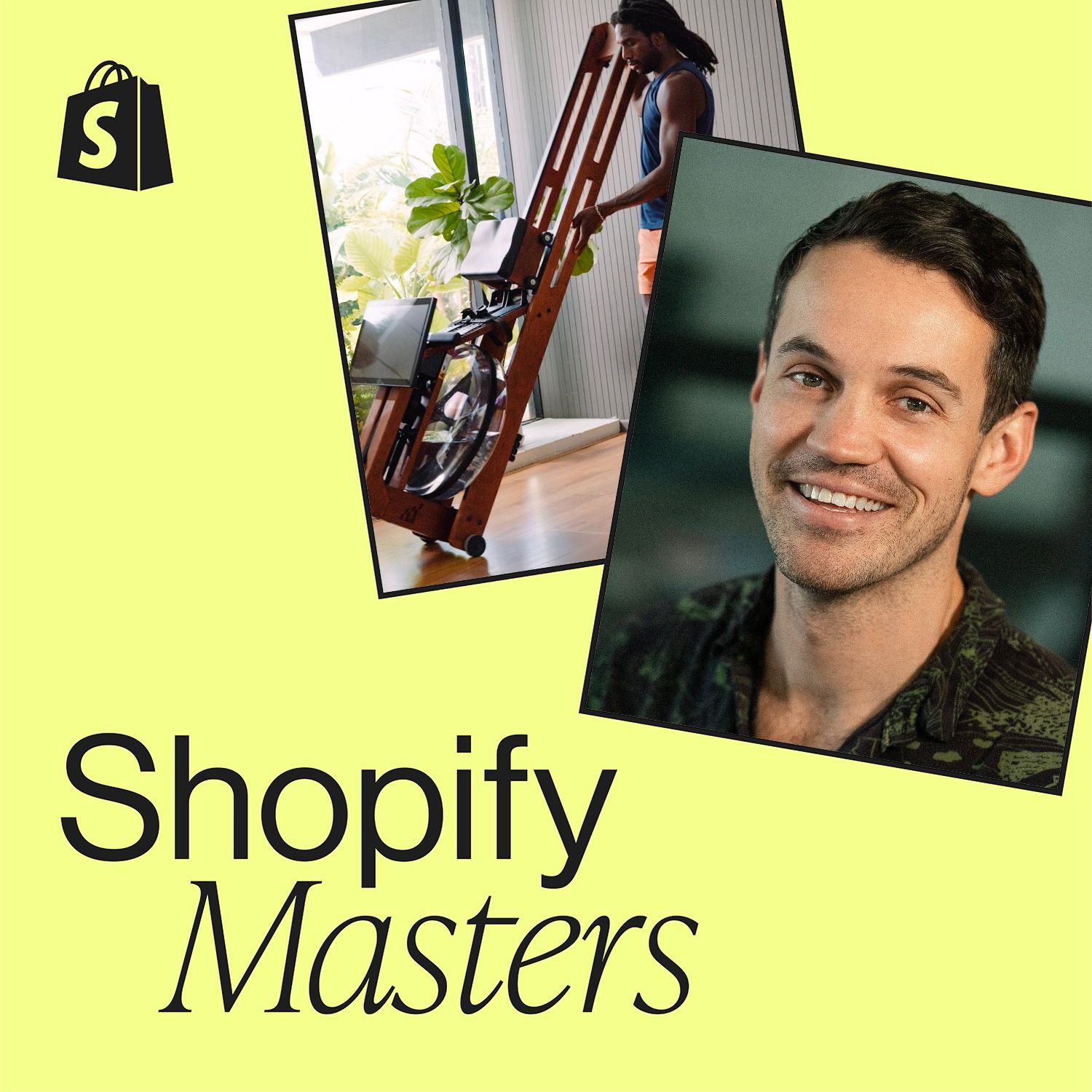
Ergatta's high retention isn't just from hardware lock-in. A key factor is the "virtue element" common across fitness: customers are reluctant to cancel subscriptions because it feels like giving up on their aspiration to be fit. They keep paying in the hope they'll start using the equipment again next month.
Companies like Whoop and Eight Sleep successfully use subscriptions not because their hardware requires constant upgrades, but because recurring revenue is a superior business model. This creates a vulnerability: if users can bypass the software lock-in, the model collapses without significant hardware improvements.

Brita is expanding from kitchen to bathroom filters, reinforcing a lucrative business model. By selling a durable product that requires ongoing, proprietary refills, companies create a predictable, recurring revenue stream. Investors favor this 'subscripturation' model because it locks in customers for long-term sales.

When transitioning hardware to a subscription, avoid a freemium model. Instead, make the subscription core to the experience. If a user stops paying, the product should collapse to minimal functionality. This stark value difference prompts quick renewals.

The most resilient business models provide an absolutely essential service for a price that is insignificant to the customer's budget. This combination of being mission-critical yet inexpensive creates exceptionally high, statistically probable renewal rates.

The company initially used a one-time payment plan, resulting in low customer lifetime value. Switching to a recurring subscription model, even for a product with natural churn, massively increased revenue and LTV by capturing more value over time from each customer.

MSA is embedding connectivity in its gas detectors, moving from a commoditized hardware sale to a recurring software service. This provides steadier revenue, higher margins, and improved safety outcomes for customers, strengthening MSA's competitive position and improving unit economics.

A key viability metric for consumer subscription apps is achieving 30-40% Day 1 retention. Anything lower suggests a fundamental product-value mismatch, making it mathematically difficult to acquire enough users to build a sustainable active user base.

Education-based businesses struggle with churn because knowledge, once learned, has diminishing value. To build a sticky subscription, you must offer "consumable" value—something that is used up and needs replenishing, like weekly market data, new ad creative, or trending product blueprints. This creates a reason to keep paying.

The most effective way to prevent missed renewals and reduce churn is to switch from annual to monthly recurring billing. Customers scrutinize small monthly charges far less than a large annual renewal charge, leading to significantly higher retention.
