Get your free personalized podcast brief
We scan new podcasts and send you the top 5 insights daily.
Old media built abstract corporate brands (e.g., General Electric). New media's unlimited channels mean the founder's personal identity now defines the company. Think Elon Musk and SpaceX, not just the corporate entity. This shift makes it nearly impossible for a company to build a compelling brand without a strong, public-facing individual at the helm.

Related Insights
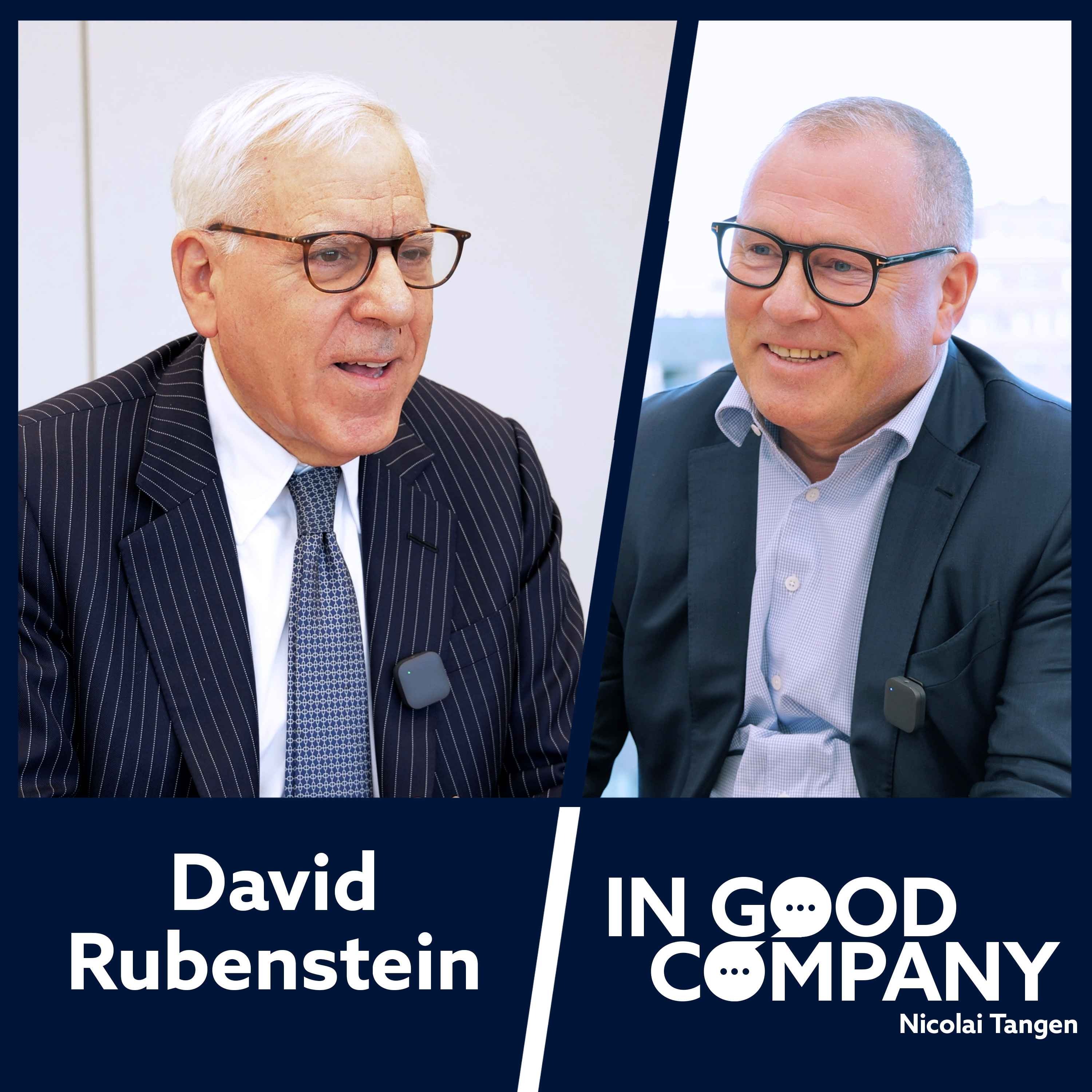
Despite building one of the world's largest private equity firms over 40 years, David Rubenstein finds he is now more recognized for his TV interviews. This reveals that in the modern era, a strong media presence can create a more powerful and widespread personal brand than a long and distinguished traditional business career.
In a crowded market, the founder's identity can serve as the ultimate 'meaning-free' brand asset. For Dave Gerhardt's company, Exit Five, his face and personality are the key differentiators that no competitor can replicate, making the brand inherently distinctive and personal.

Legacy businesses often hide their leadership, presenting a generic website and support email. In an era of AI-generated content and dwindling trust, the founder's personal presence on camera builds an irreplaceable human connection and relationship with the audience, creating a significant competitive moat.

For communities or companies like Dave Gerhardt's Exit 5, the founder's personal brand can become the primary differentiator. This creates a 'category of one' in the customer's mind (e.g., 'The Dave Gerhardt Community'), making direct comparisons difficult and establishing a powerful moat that transcends feature-based competition.
The marketing playbook has shifted from promoting products to promoting the personality behind them (e.g., Tesla is Elon Musk). A company without a founder or CEO who can act as a public "character" struggles to gain traction, as corporate messaging accounts are no longer effective in a noisy media environment.

The nature of marketing has shifted from promoting a faceless corporation to showcasing an authentic founder personality. Companies without an interesting character at the helm are at a disadvantage. This requires leaders to be public figures, as their personal brand, story, and voice are now integral to the company's identity and success.

Brands were originally tied to their founders (Ford, Edison). The rise of the abstract "corporate brand" (like General Electric) was a direct result of limited, centralized media channels that forced messaging into simple, atomic units. As media decentralizes again, the brand is reverting back to the person.
New media rewards being interesting, a trait inherent to founder CEOs who must possess original ideas. In contrast, professional CEOs often rise through careful politicking, which prioritizes being uncontroversial. This gives founders a significant advantage in building a modern brand and attracting talent, customers, and investors.
The era of the polished, synthetic corporate brand is over. The proliferation of media channels has blown up the old, narrow funnel. Success now comes from the people behind the company—CEOs and founders—speaking directly and authentically, explaining their thoughts and decisions in their own words.
A company's brand is often a shadow of its founder's obsessions and worldview. Steve Jobs's love for calligraphy shaped Apple's design ethos. This authenticity, derived directly from the founder, is impossible for competitors to replicate.