Get your free personalized podcast brief
We scan new podcasts and send you the top 5 insights daily.
While a Chrissy Teigen post ignited Last Crumb's viral growth, the founder credits sustained success to the product experience itself. The celebrity endorsement created a massive initial surge, but it was the organic posting from actual customers that built the lasting 'cult-like effect' and brand equity.

Related Insights
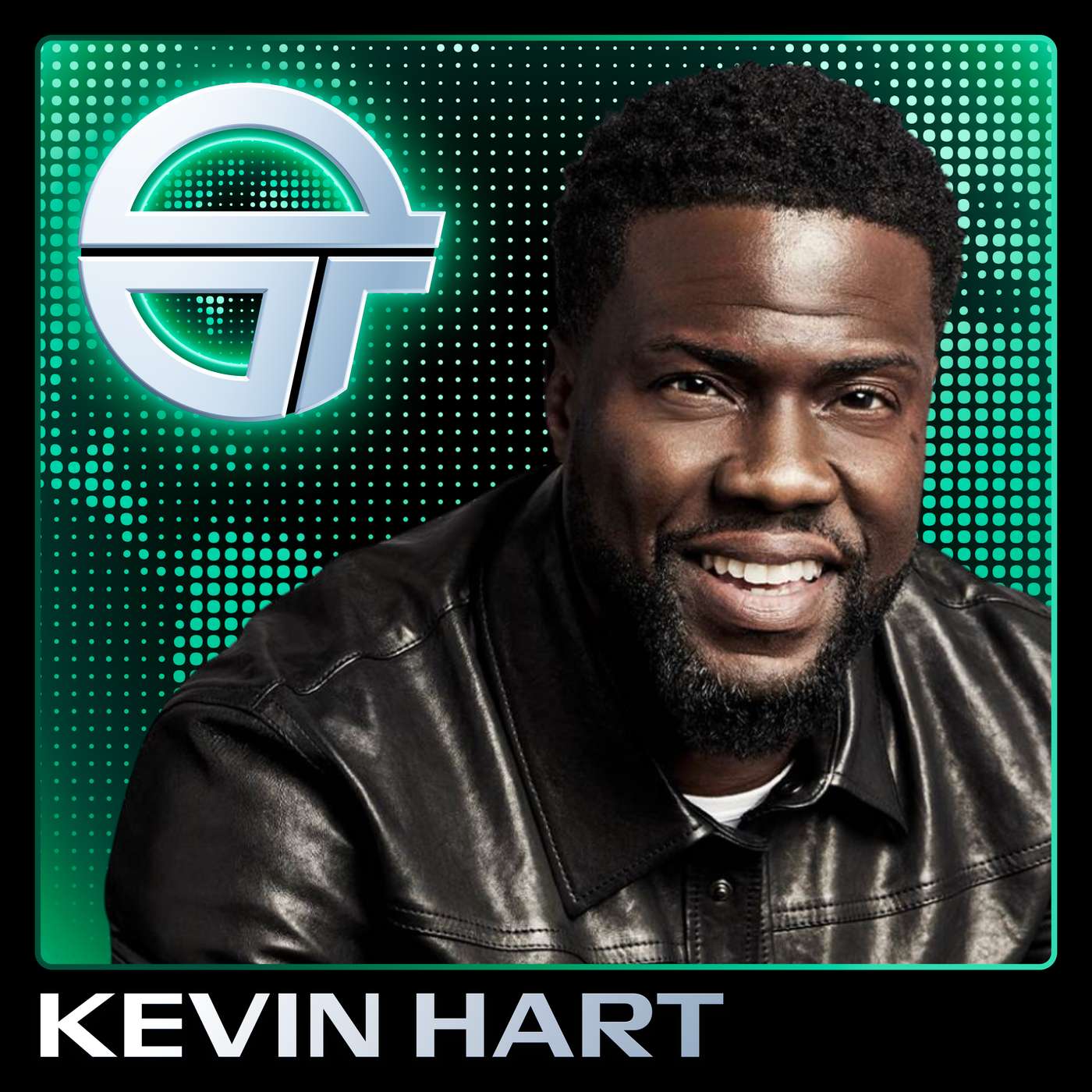
Consumers are savvy and can see through a simple name-slap endorsement. To break through, a brand needs a genuine story. Hart emphasizes the importance of answering core questions—"Why did you make it? What's the story? Do you really drink this?"—to build an authentic connection that resonates with customers long-term.
Tree Hut CMO Luis Garcia featured their creator community in their Super Bowl ad, not traditional celebrities. For a brand built on social media, these creators are the real stars to their audience. This approach maintains authenticity, energizes the core community, and generates powerful organic amplification.

A celebrity can drive initial traffic, but it's not a substitute for a self-sustaining growth loop. True distribution requires continuous growth and reinvestment, not a single audience blast. Product-market fit and a strong product are still paramount.

Don't dismiss the success of celebrity brands as unattainable. Instead, analyze the core mechanism: massive 'free reach' and 'memory generation.' The takeaway isn't to hire a celebrity, but to find your own creative ways to generate a similar level of organic attention and build a tribe around your brand.
A brand's own marketing narrative is never as powerful as its customers' authentic stories. The core of advocacy and influencer marketing is facilitating opportunities for satisfied customers to share their positive experiences, as their voice carries more weight and credibility than any corporate message.

Partnering with an influencer provides a massive initial launch advantage and a built-in audience. However, long-term success, like Glossier's, requires building a brand identity and marketing engine that can stand on its own. The influencer is the launchpad, not the entire rocket.

A celebrity partnership isn't a silver bullet; it's an accelerant. For brands with weak fundamentals—poor product, operations, or economics—a celebrity launch only magnifies these flaws to a larger audience, leading to a much faster and more public failure.

Co-founder Sarah Foster reveals that micro-influencers with authentic, engaged audiences have been far more effective at driving sales than celebrities with millions of followers. This highlights the superior ROI of niche creators who have built genuine trust within their communities, proving reach doesn't always equal results.

The era of simply 'slapping a celebrity face' on a product is over. Modern consumers demand authenticity. Successful brands like Fenty and Rare Beauty thrive because their founders are deeply involved, knowledgeable about the products, and genuinely connected to a larger mission, such as inclusivity or mental health.

Contrary to popular belief, a celebrity wearing your product is not a golden ticket for sales. Heaven Mayhem's founder reveals that even massive celebrity placements often result in zero direct sales lifts. The true value is the long-term "halo effect" that boosts brand credibility and perception over time.