Get your free personalized podcast brief
We scan new podcasts and send you the top 5 insights daily.
Superhuman's CEO rejects the standard playbook, like spending 30% of his time on recruiting, because it's not his strength. He advises founders to focus on their unique talents (e.g., product, design) and hire excellent leaders to cover their weaknesses, rather than forcing themselves into a generic CEO mold.

Related Insights
To succeed, a founder must identify the single most critical function for their business (e.g., marketing for D2C). Then, they must either be a world-class expert at "figuring it out" themselves or become a world-class recruiter to hire the person who is. There is no other path.

The primary purpose of hiring is not to add capacity for growth, but to free up the founder's time from low-value tasks. This allows the founder to reinvest their unique talents into activities that truly drive the business forward, making growth an outcome of strategic time reallocation.

The primary goal of hiring is not to add capacity for growth, but to free up a founder's time. This reclaimed time can then be reinvested into high-leverage activities that only the founder can do, which is what ultimately drives business growth.
Acknowledging he gets bored with the "blocking and tackling" of day-to-day operations, Matt O'Hayer brought in a partner to handle that side of the business. This act of self-awareness is crucial for visionary founders: hire for your operational weaknesses to free yourself up for strategy and growth, preventing your own boredom from stalling the company.

Unlike a functional manager who can develop junior talent, a CEO lacks the domain expertise to coach their entire executive team (e.g., CFO, VP of HR). A CEO's time is better spent hiring world-class leaders who provide 'managerial leverage' by bringing new ideas and driving their function forward, rather than trying to fix people in roles they've never done.
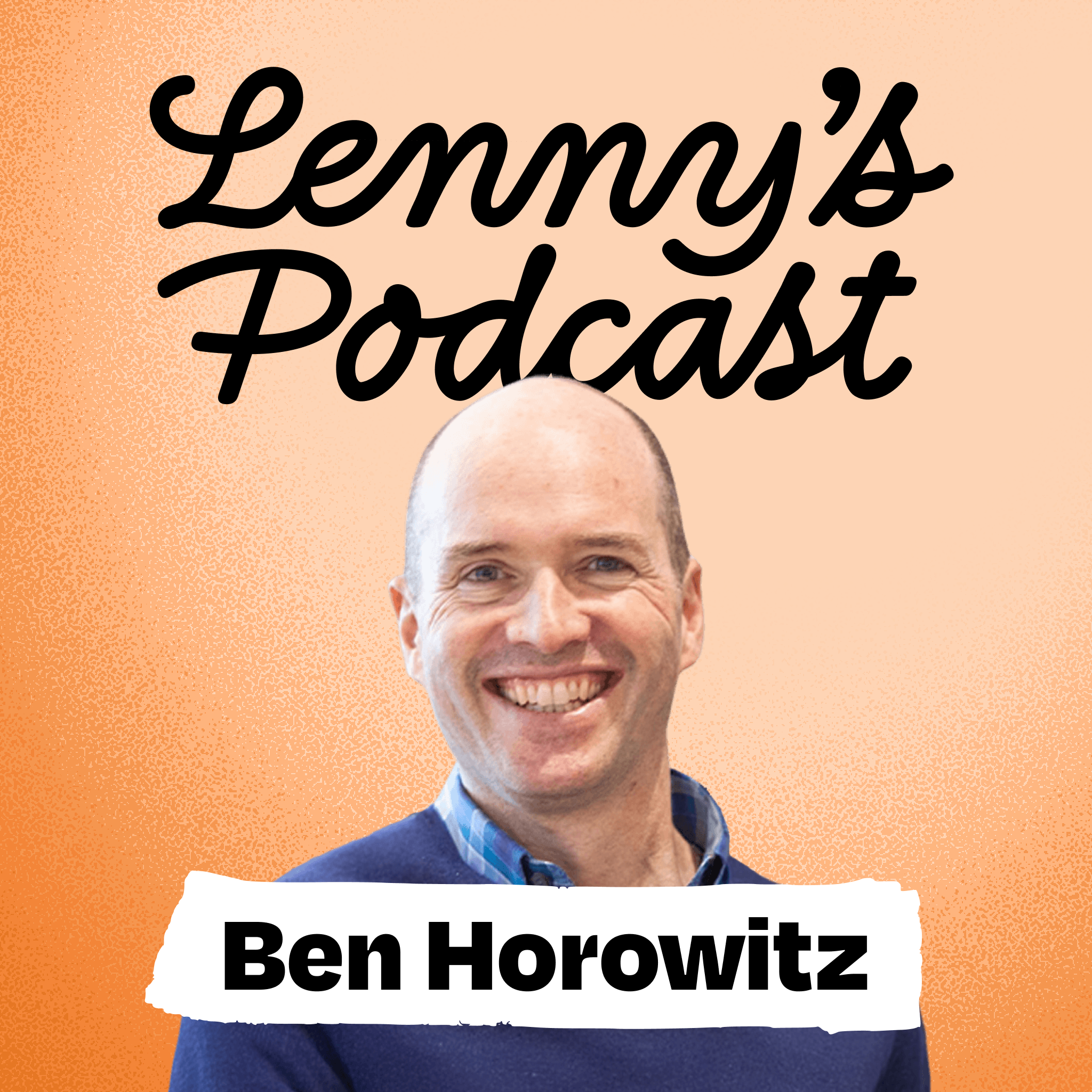
A third model exists beyond founder-CEO or professional CEO. The founder acts as chairman, deeply involved in vision, strategy, and product (their "zone of genius"), while hiring a CEO for operations. This structure allows founders to maximize their unique value without being bogged down by management duties.
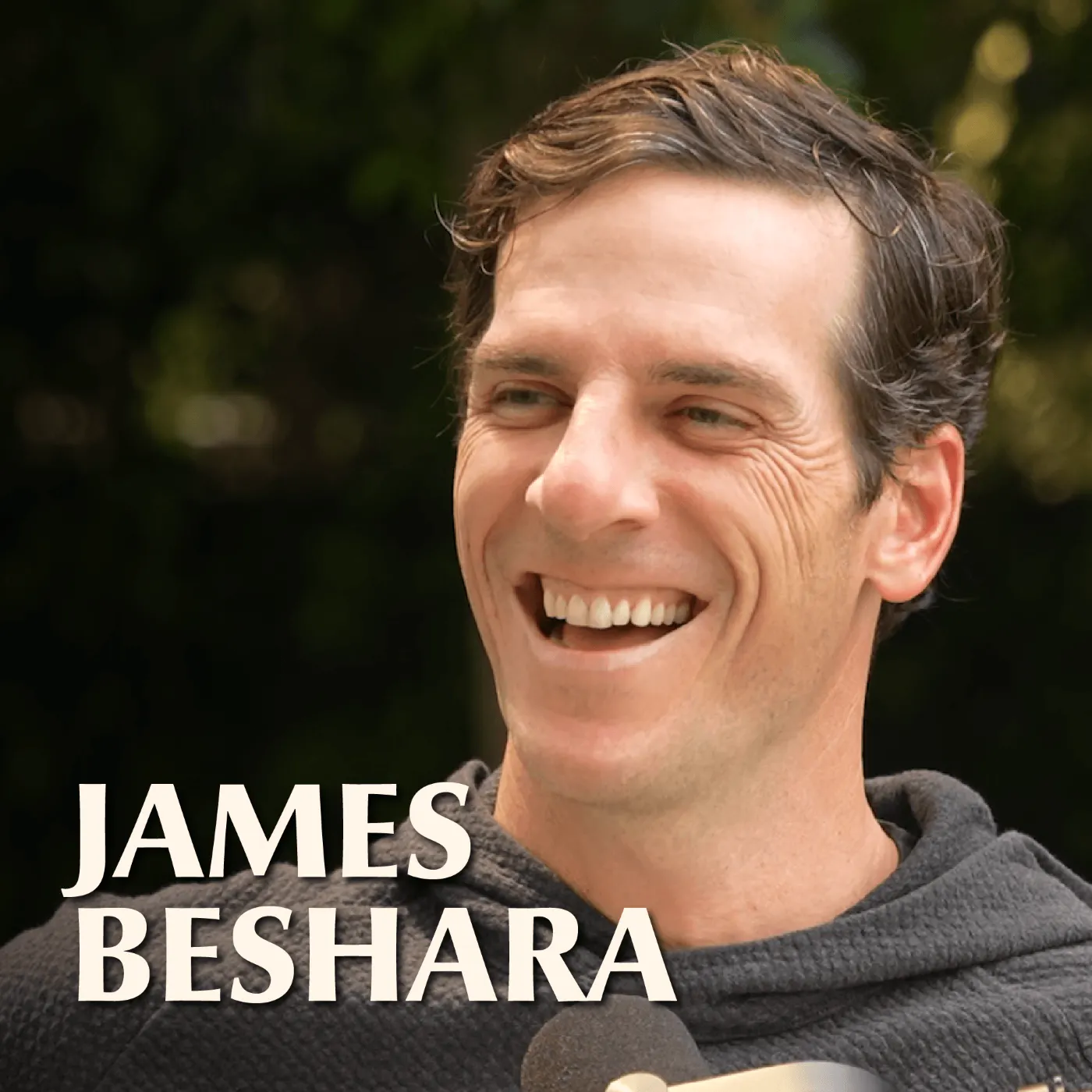
Founders are "unicorns" with unique skill sets impossible to hire for in a single person. To scale and remove yourself as a bottleneck, break your responsibilities into their component parts (e.g., sales, marketing, product) and hire specialists for each, assembling a team that approximates your output, even at a lower margin.

The old model of replacing a founder with a 'professional CEO' is often flawed because it removes irreplaceable product insight. The modern approach is for founders to design their executive team to complement their unique strengths, ensuring they stay engaged for the long journey.

The M&A Science founder stepped back as CEO from his scaling software company, Dealroom, because his strength is in the early "boots on the ground" phase, not optimization and process maturity. This highlights the importance for founders to align their role with their core strengths rather than clinging to a title.

The most important job of a leader is team building. This means deliberately hiring functional experts who are better than the CEO in their specific fields. A company's success is a direct reflection of the team's collective talent, not the CEO's individual brilliance.
