Get your free personalized podcast brief
We scan new podcasts and send you the top 5 insights daily.
Connecting a retro pager to Twitter required a convoluted data path through multiple services (Cloudflare, Resend, Gmail). Manually coding this complex integration would be impractical for a hobbyist. With an AI coding partner, the implementation burden is removed, allowing builders to focus on achieving the creative endpoint, no matter how unconventional the path.

Related Insights
An experienced engineer built a new programming language, 'Roo', as a side project, which was only possible because AI agents handled tedious implementation. This allowed him to focus on high-level architecture and design, overcoming personal time constraints for a complex undertaking.
The journey from "jealous of people who could code" to building custom hardware projects was enabled by AI tools. For individuals without a formal programming background, AI acts as a translator and guide, making previously inaccessible fields like software development and hardware integration achievable for a new wave of creative builders.
AI tools that abstract away complex syntax are enabling creatives and "idea guys," who previously struggled with the rigidity of programming, to build and ship software independently.

Modern AI coding agents allow non-technical and technical users alike to rapidly translate business problems into functional software. This shift means the primary question is no longer 'What tool can I use?' but 'Can I build a custom solution for this right now?' This dramatically shortens the cycle from idea to execution for everyone.

Unlike tools like Zapier where users manually construct logic, advanced AI agent platforms allow users to simply state their goal in natural language. The agent then autonomously determines the steps, writes necessary code, and executes the task, abstracting away the workflow.

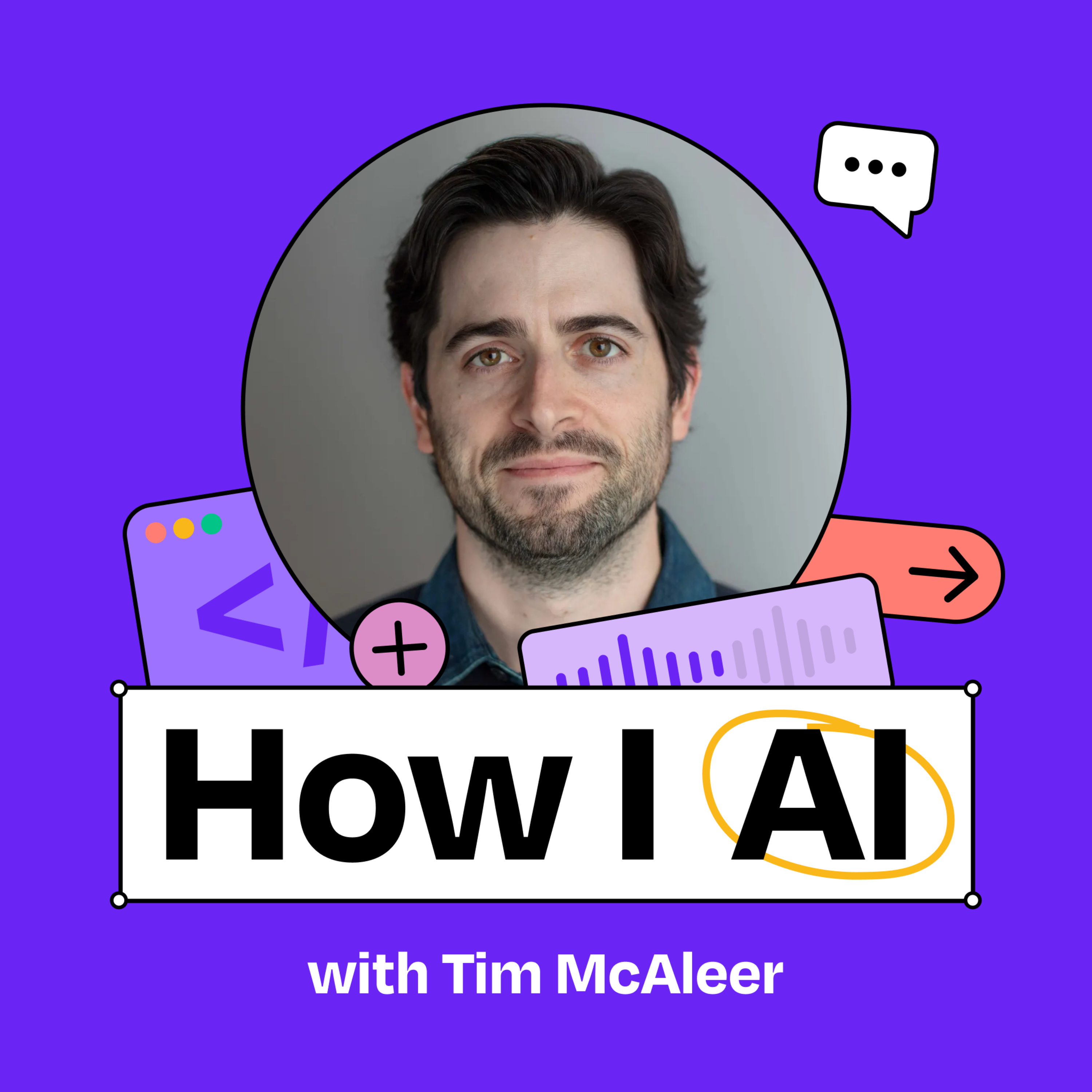
Tim McLear used AI coding assistants to build custom apps for niche workflows, like partial document transcription and field research photo logging. He emphasizes that "no one was going to make me this app." The ability for non-specialists to quickly create such hyper-specific internal tools is a key, empowering benefit of AI-assisted development.
You don't need to be a developer to create powerful AI workflows. With tools like Claude Co-Work, you can simply describe what you want—like "analyze my saved posts for inspiration"—and the AI will figure out the technical steps and guide you through the setup.

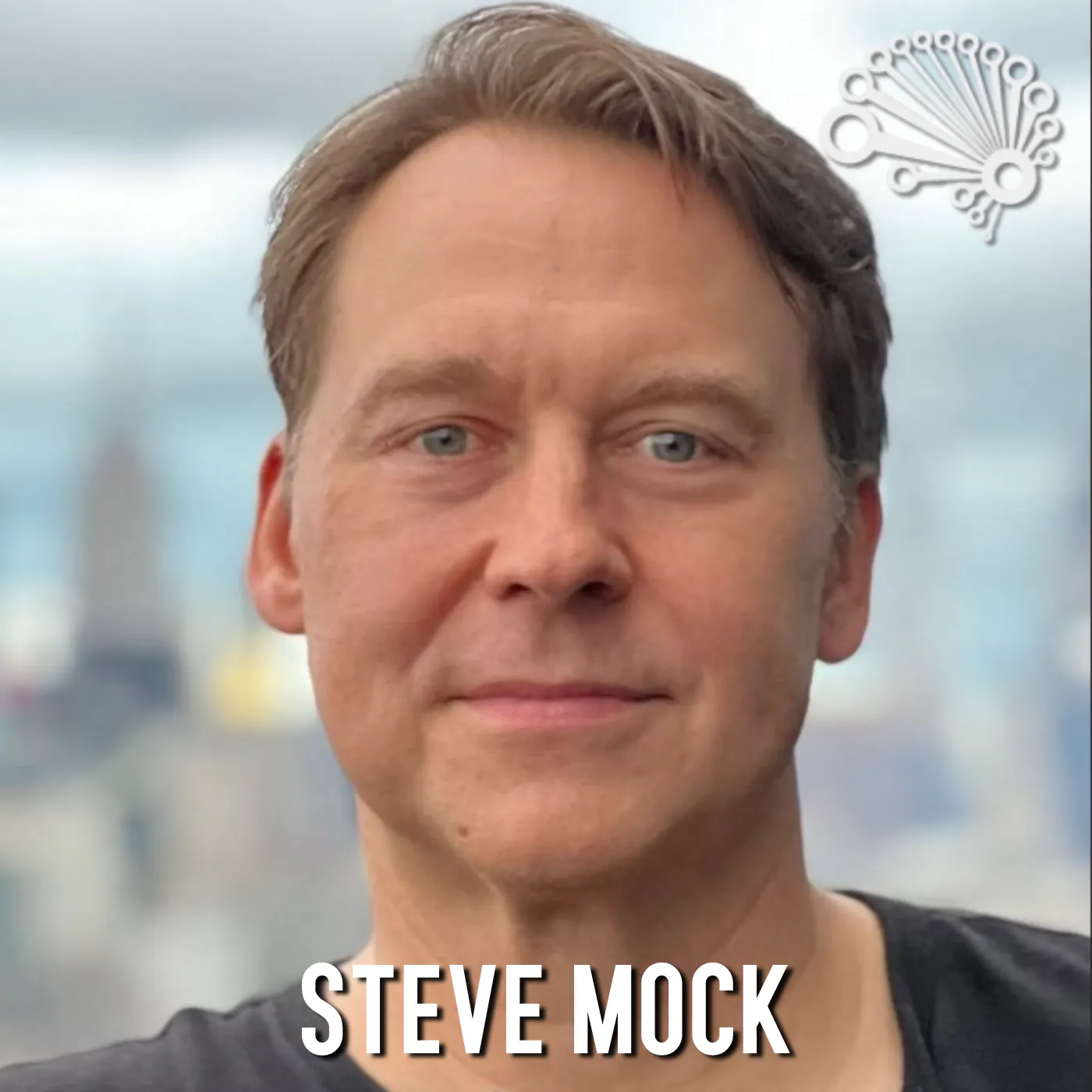
Steve Mock, a non-coder, used ChatGPT for high-level architecture and product decisions. He would then have it generate a detailed, multi-page prompt to paste into coding tools like Cursor and Claude for execution, effectively having the AI manage the AI in a sophisticated workflow.
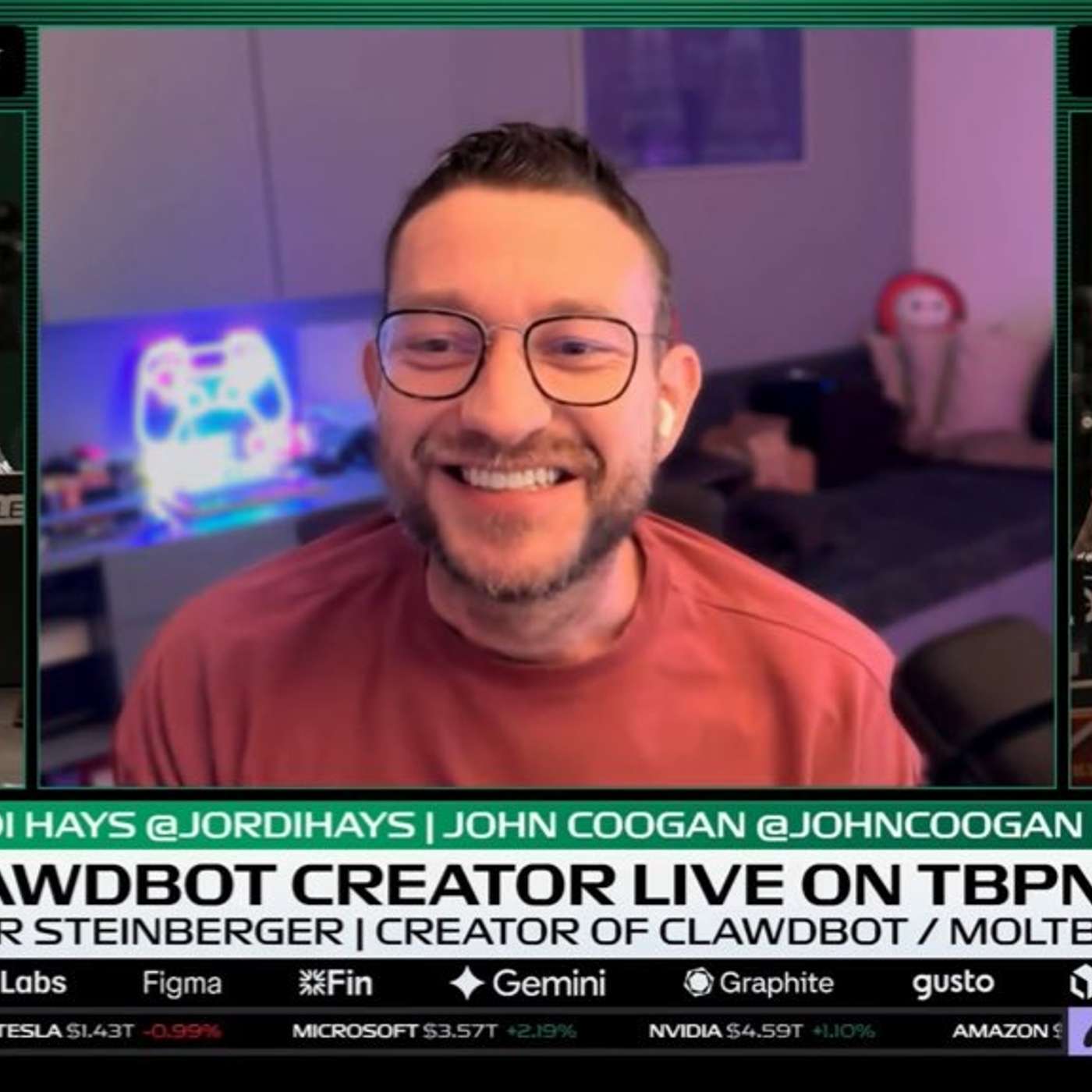
A design agency professional with no coding experience used the Moltbot agent to build 25 internal web services simply by describing the problems. This signals a paradigm shift where non-technical users can create their own hyper-personalized software, bypassing traditional development cycles and SaaS subscriptions.
The creator of "Last 30 Days" is not a professional software engineer. He built the tool by using AI (Claude Code, ChatGPT) as his development partner, feeding it errors via screenshots and iterating on its suggestions. This workflow empowers non-technical individuals to create and ship valuable software.