Get your free personalized podcast brief
We scan new podcasts and send you the top 5 insights daily.
The journey from "jealous of people who could code" to building custom hardware projects was enabled by AI tools. For individuals without a formal programming background, AI acts as a translator and guide, making previously inaccessible fields like software development and hardware integration achievable for a new wave of creative builders.

Related Insights
AI tools that translate natural language into code are making coding skills less of a prerequisite for entering the AI space. This shift allows professionals from backgrounds like marketing to leverage coding capabilities without formal training, enriching their existing roles and expanding career opportunities.

To solve the personal problem of capturing late-night ideas without waking his wife, the founder used ChatGPT to design and build a screenless keyboard with a Raspberry Pi. This highlights how AI dramatically lowers the barrier for non-engineers to create personalized hardware solutions.

AI tools that abstract away complex syntax are enabling creatives and "idea guys," who previously struggled with the rigidity of programming, to build and ship software independently.

Palmer Luckey, a self-described 'hardware nerd' and 'shape rotator,' believes AI code generation is most beneficial for non-software experts. It allows founders focused on hardware, mechanics, or product integration to quickly build necessary software without spending years learning to code, thereby accelerating their core innovation.

Generative AI can function as an on-demand tutor, explaining concepts and guiding non-developers through building prototypes. This removes the traditionally high barrier to entry for coding, empowering roles like content designers to contribute directly to the codebase and learn interactively.

AI tools lower the barrier to software creation so dramatically that individuals with creative ideas but weak coding skills can now build complex applications. This marks a shift where creative direction surpasses technical implementation as the key skill.
The primary impact of AI coding tools is enabling non-coders to perform complex development tasks. For example, a hedge fund analyst can now build sophisticated financial models simply by describing the goal, democratizing software creation for domain experts without coding skills.
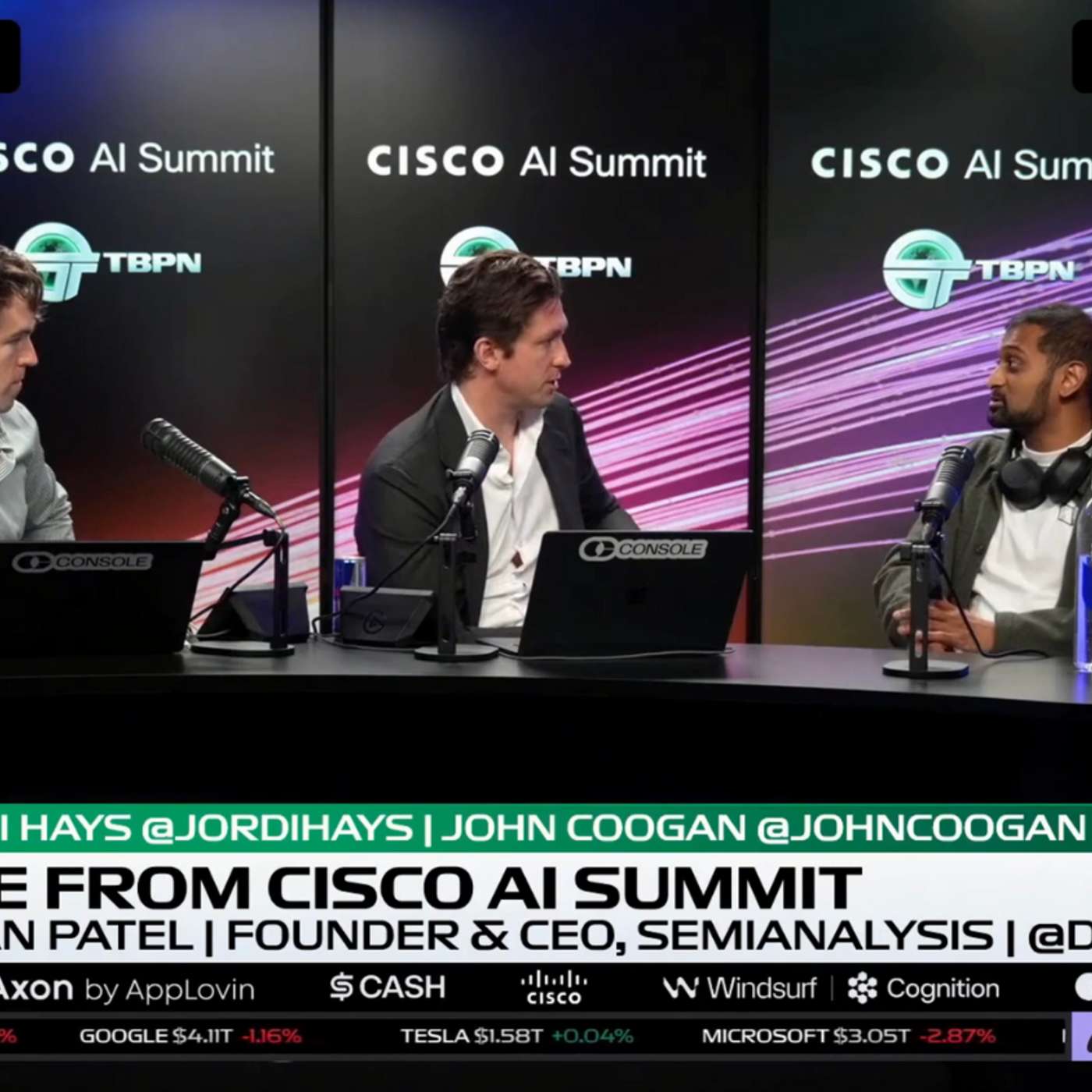
Palmer Luckey, a self-described poor programmer, argues AI coding assistants are most beneficial for hardware-focused builders, not software engineers. It allows them to quickly create software without diverting years to master a skill outside their core competency, thus accelerating product development.

The creator of "Last 30 Days" is not a professional software engineer. He built the tool by using AI (Claude Code, ChatGPT) as his development partner, feeding it errors via screenshots and iterating on its suggestions. This workflow empowers non-technical individuals to create and ship valuable software.

AI coding assistants have radically lowered the barrier to software creation. A 14-year-old with no coding background successfully built a complex game in seven days by writing a PRD-like document and feeding it to an AI tool, demonstrating the new accessibility of development.
