Get your free personalized podcast brief
We scan new podcasts and send you the top 5 insights daily.
While AI alignment gets attention, the risk of AI concentrating immense power in the hands of a few actors (corporations or states) is arguably more neglected. This could enable unprecedented surveillance or create a single company with the economic power of a nation, posing a distinct and severe threat.

Related Insights
The most pressing danger from AI isn't a hypothetical superintelligence but its use as a tool for societal control. The immediate risk is an Orwellian future where AI censors information, rewrites history for political agendas, and enables mass surveillance—a threat far more tangible than science fiction scenarios.

Focusing solely on military-style AI power grabs is too narrow. Extreme power concentration is more likely to emerge from a messy interplay of three factors: active seizures of control, massive economic shifts from automation, and the erosion of society's ability to understand reality (epistemics).

While mitigating catastrophic AI risks is critical, the argument for safety can be used to justify placing powerful AI exclusively in the hands of a few actors. This centralization, intended to prevent misuse, simultaneously creates the monopolistic conditions for the Intelligence Curse to take hold.

Public fear of AI often focuses on dystopian, "Terminator"-like scenarios. The more immediate and realistic threat is Orwellian: governments leveraging AI to surveil, censor, and embed subtle political biases into models to control public discourse and undermine freedom.

AI provides a structural advantage to those in power by automating government systems. This allows leaders to bypass the traditional unwieldiness of human bureaucracy, making it trivial for an executive to change AI parameters and instantly exert their will across all levels of government, thereby concentrating power.

The decision to restrict powerful but dangerous AI models like Claude Mythos to a select group of large corporations for safety reasons risks creating a massive centralization of power. This gives these entities an insurmountable technological advantage over smaller players and the public.

Despite their different philosophies, both Vitalik Buterin and Guillaume Verdon agree that the greatest immediate danger is the concentration of AI power. They argue that whether by a single AI or a dictatorial government, such centralization threatens human agency and is a risk that must be actively fought.

While often proposed to manage safety, a centralized, government-led AGI project is highly dangerous from a power concentration perspective. It removes checks and balances by consolidating immense capability within a single entity, whether it's one country or one company collaborating with the government.
Meredith Whittaker argues the biggest AI threat is not a sci-fi apocalypse, but the consolidation of power. AI's core requirements—massive data, computing infrastructure, and distribution channels—are controlled by a handful of established tech giants, further entrenching their dominance.
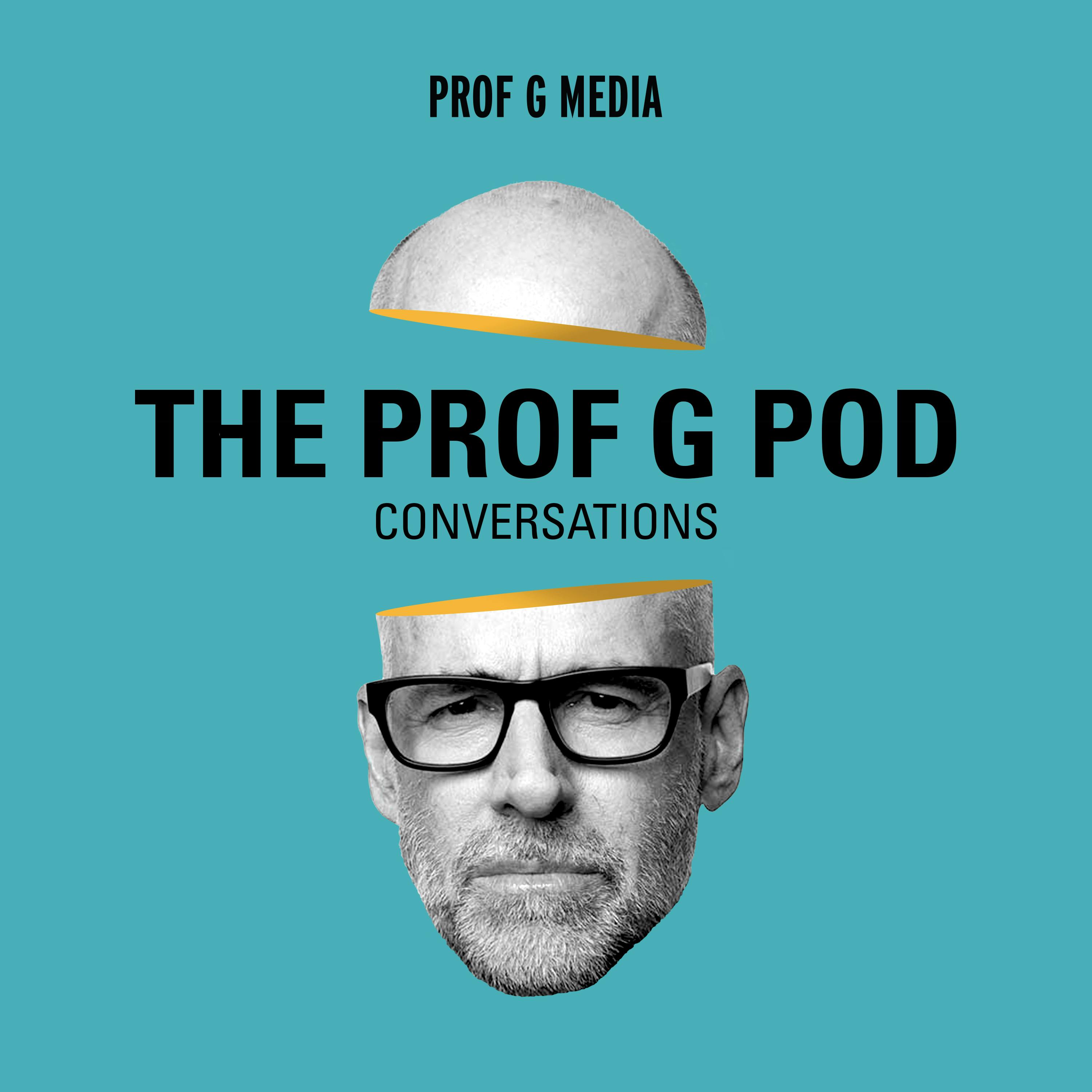
Yoshua Bengio believes that as a technical solution to the AI control problem seems more plausible, the concentration of AI power in human hands to create a global dictatorship has become an even more likely catastrophic outcome. This shifts the primary x-risk from technical failure to malicious human use.