Get your free personalized podcast brief
We scan new podcasts and send you the top 5 insights daily.
Pichai says data-center lead times are so long that the compute available today reflects decisions made in 2024. He adds that everyone is short and wishes they had planned for double, because estimating demand two to three years out is hard and some choices look suboptimal later.

Related Insights
The intense power requirements for AI infrastructure have created a seller's market for equipment, forcing customers to plan much further ahead. Utilities and data centers are now contracting for gas turbines and other hardware for delivery as far out as 2031-2032, a timeline described as a new and surprisingly long for the industry.

AI software models advance every few months, creating exponential demand. However, the hardware infrastructure like chip fabs operates on two-to-four-year development cycles. This timeline disconnect between software's rapid pace and hardware's slow build-out creates a persistent supply crunch that money alone cannot instantly solve.
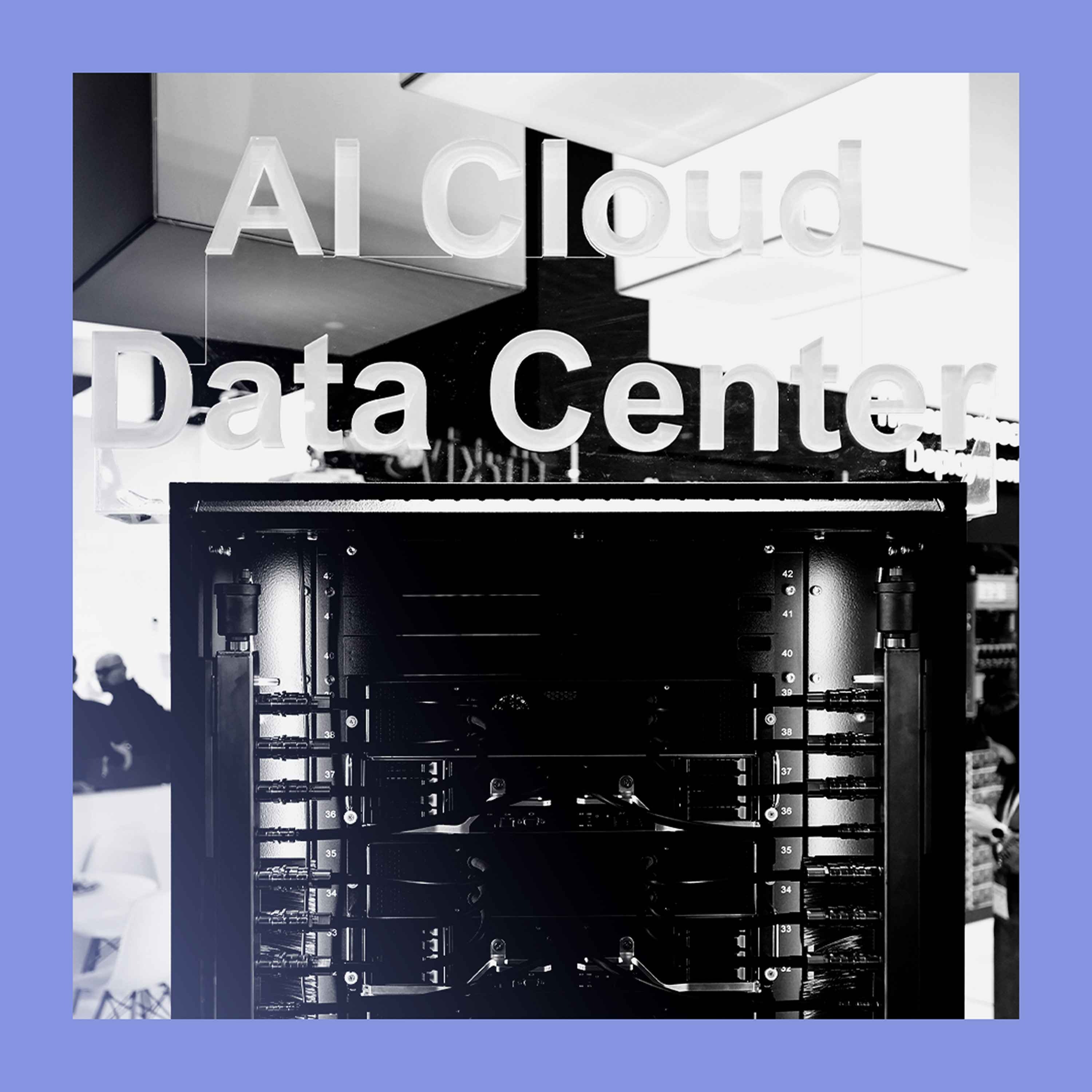
The AI industry's explosive growth has outpaced the physical infrastructure supporting it. Data centers, which follow slow real estate development cycles of permits and construction, could not be built fast enough to meet the sudden, massive demand for compute, creating a global bottleneck.

The semiconductor supply chain has extremely long lead times. Even with unprecedented demand signals for AI hardware, new memory fabrication plants ordered today will not come online until 2027 or 2028. This multi-year lag guarantees that supply bottlenecks and high prices for components like DRAM will persist.

Sarah Friar reveals the extreme scarcity of AI compute, stating it's virtually impossible to acquire more for 2026 and very limited for 2027. This forces OpenAI to make capital-intensive bets on data centers now, like their Michigan facility, which won't yield compute until late 2027, just to secure future supply.

The core AI supply constraint is a fundamental mismatch in velocity. AI model demand grows exponentially at the speed of software, but building the necessary infrastructure (fabs, data centers) moves at the slow, multi-year pace of massive construction projects.

While chip fabrication is complex, the most binding constraint for AI compute providers is physical infrastructure. The entire industry's growth is bottlenecked by the availability of powered data center buildings, a problem projected to persist for at least another 15-18 months.

Unlike past tech booms with short-lived tightness, the current AI infrastructure shortage is intensifying, evidenced by unprecedented multi-year supply commitments extending to 2030. This signals deep, long-term conviction from the world's largest companies that the demand is durable.

Unlike previous tech booms built on a 'if you build it, they will come' mentality, the current AI data center buildout is racing to meet existing, booked demand. Cerebras CEO Andrew Feldman notes the demand for AI hardware and data centers already far outstrips the industry's ability to supply it, a highly unusual market dynamic.

Sundar Pichai identifies the critical, non-obvious constraints slowing AI's physical buildout. Beyond chips, the primary bottlenecks are fundamental wafer starts, the slow pace of regulatory permitting for new data centers, and a significant short-term shortage of high-bandwidth memory.