Get your free personalized podcast brief
We scan new podcasts and send you the top 5 insights daily.
The justification for a dream home isn't financial appreciation but its ability to generate joy and connection. By serving as a gathering place for family, friends, and peers, the home becomes an investment in relationships and memories, making its emotional and social return the primary metric of success.

Related Insights
Sebastian Thrun bought a Ferrari to test if wealth brought happiness, but found it provided "zero days" of joy. He concluded that beyond basic needs, managing wealth is a time-consuming distraction that creates work (defending, growing, spending it) rather than enabling impactful creation.
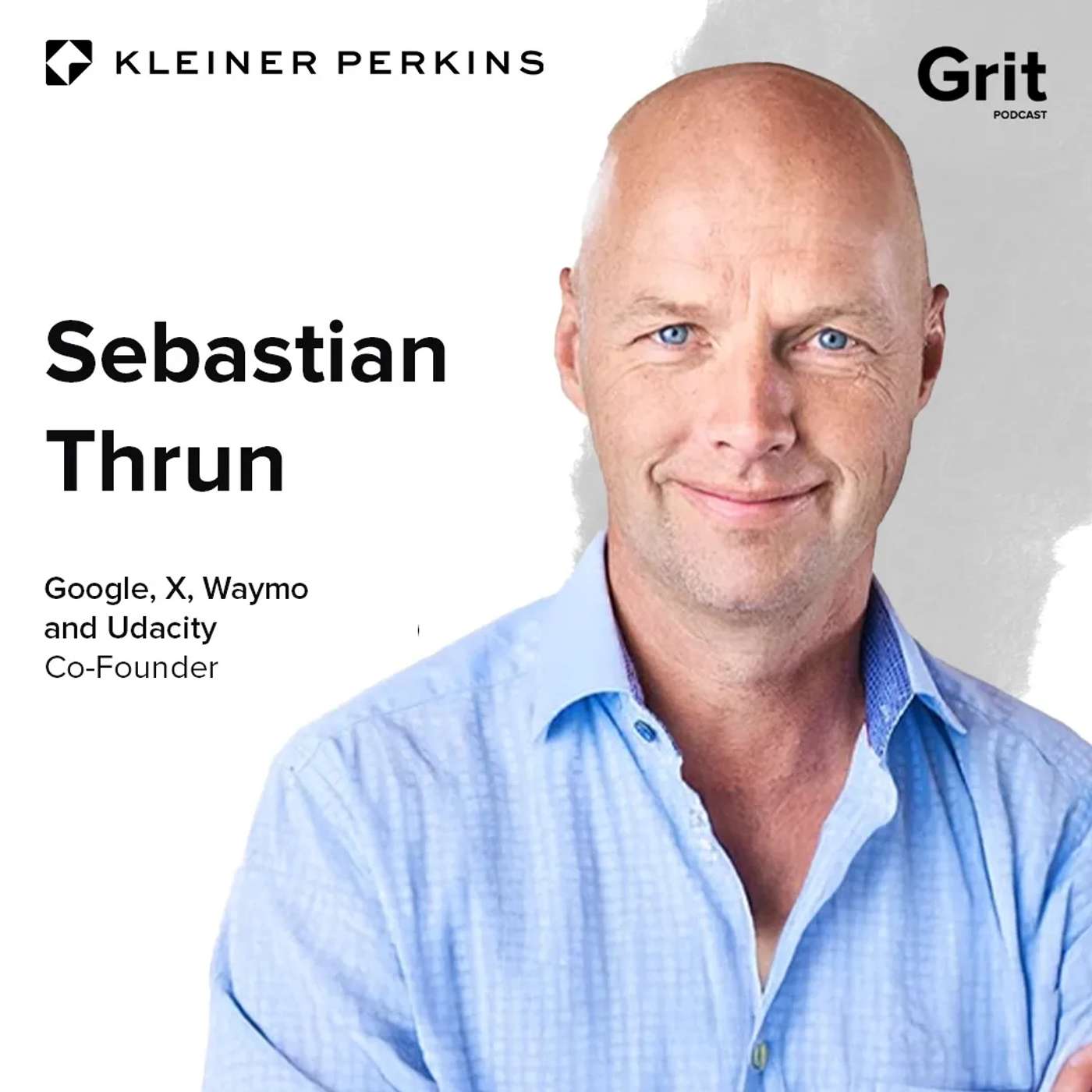
A consistent pattern among wealthy founders reveals that worthwhile purchases enhance life by creating more time, improving health, and fostering calm. In contrast, purchases focused on status items like cars and watches are often regretted because they add complexity and responsibility without improving well-being.
The ultimate goal of accumulating money is not to hoard it but to use it as a tool to buy back your time. True wealth is the ability to control your daily schedule and spend your hours on things you love, which is a more meaningful metric than a net worth figure.

Happiness isn't dictated by your objective situation but by the context you place it in. A Nokia phone is amazing until you see an iPhone; poverty is a state until you see wealth next door. Freeing yourself from constant comparison is key to finding intrinsic contentment.

More money acts as a multiplier for your existing emotional state. For a person who is already happy and content, wealth can enhance their life. However, for someone who is fundamentally unhappy or unfulfilled, more money will not solve their core problems and may even exacerbate their misery.
Chasing visual markers of success (cars, houses) often leads to hollow victories. True fulfillment comes from defining and pursuing the *feeling* of success, which is often found in simple, personal moments—like pancakes on a Saturday morning—rather than glamorous, external accomplishments.
Humans derive more satisfaction from progress and growth than from a static state of being. The journey of building wealth—the striving, learning, and overcoming challenges, especially with a partner—is often more rewarding and memorable than the destination of simply possessing wealth.
The pursuit of wealth as a final goal leads to misery because money is only a tool. True satisfaction comes from engaging in meaningful work you would enjoy even if it failed. Prioritizing purpose over profit is essential, as wealth cannot buy self-respect or happiness.
The true feeling of wealth for many founders isn't a flashy car or a large house, but the ability to fly business class. This specific luxury represents a transition from enduring physical discomfort (e.g., back pain from economy) to prioritizing well-being and comfort, making it a powerful psychological milestone.
Possessions can be viewed as assets that pay "life dividends." This concept reframes value beyond financial returns, accounting for the emotional and memorable experiences an item provides, such as a dress worn at a wedding. These moments are a form of non-cash, emotional return on investment.
