Get your free personalized podcast brief
We scan new podcasts and send you the top 5 insights daily.
The platform has created a new career path for skilled retail investors. The top "pilots" earn seven-figure incomes annually just from users subscribing to follow their trades. This showcases the immense economic potential of the creator economy model applied to the financial world.

Related Insights
The dream of independent creator success is skewed by a harsh reality. On platforms like Substack, the top 10% of authors capture 90% of the income, making the model a high-risk gamble for most. This strengthens the value proposition of hybrid companies like Puck that offer a stable support system.

Just as high-frequency trading displaced human traders by leveraging a structural tech advantage, AI agents are now creating a new financial system. This transition offers a brief, lucrative window for early adopters before the opportunity vanishes, mirroring past technological shifts that created new millionaires.
In the attention economy, high-paid talent at legacy companies like CNN are cost centers on a bloated P&L. By using platforms like YouTube or Substack, these individuals can become high-margin businesses, capturing value directly from their audience instead of a corporate employer.

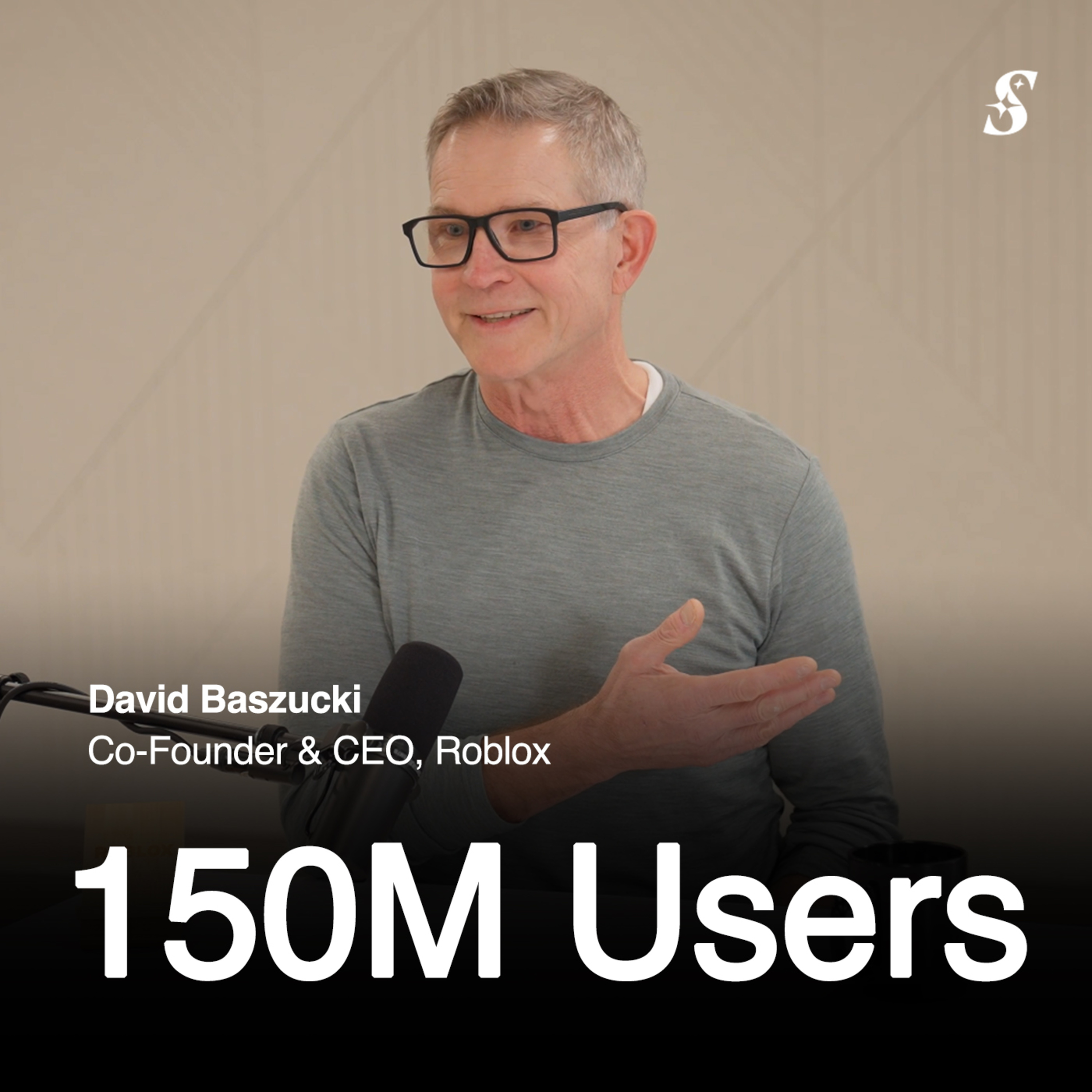
Before launching its economy, Roblox debated whether developers should earn money. The leadership team concluded that enabling creators to make a living would directly result in higher-quality, more engaging content on the platform, a bet that has clearly paid off.
A16Z's Justine Moore observes that in the nascent AI creator economy, the most reliable monetization strategy isn't ad revenue or brand deals. Instead, creators are finding success by teaching others how to use the complex new tools, selling courses and prompt guides to a massive audience eager to learn the craft.

While headlines focus on top creators earning millions, the real revolution is the vast number of people who can earn meaningful side income. An extra $9,000 a year from affiliate selling can fund a family vacation or provide financial stability, representing a more significant overall economic shift.

While AI will create corporate titans, it will also enable a long tail of individual "vibe coders" to build and monetize niche apps for small audiences. This creates a new class of "hyper micro wealth," potentially forming a new, decentralized middle class.
YodelFi helps creators monetize their content by providing followers an AI that speaks in the creator's voice and is grounded in their content library. Instead of just an operational tool, their model positions the AI agent as an additional revenue stream, often bundled into existing paid tiers for fans.

Countering the winner-take-all narrative, Patreon's CEO reveals that two-thirds of its payment volume goes to creators earning a sustainable living ($100k-$200k/year), not superstars. This proves that a viable career path exists for a broad range of creators.

Substack offers a powerful platform for writers to build a direct audience and revenue stream through subscriptions. It's an ideal alternative for creators who excel at writing over video, allowing them to directly monetize their skills and build a recurring revenue business.