Get your free personalized podcast brief
We scan new podcasts and send you the top 5 insights daily.
To compete with huge brands at Coachella on zero budget, the founders created posters with tear-off bandages and placed them in bathrooms. This guerilla tactic met customers at their exact point of need, creating a utility-driven marketing moment that generated significant buzz and organic social proof.

Related Insights
Simple, disposable items used in high-traffic local venues like bars can be transformed into a powerful advertising medium. By providing custom-printed, anti-spiking drink stickers for free, an agency can sell the ad space to other local businesses seeking to reach that specific demographic.

To stand out at a major conference, the 7-person Bug Crowd team skipped the expensive booth. Instead, they printed 500 t-shirts with a clever hacker slogan ("My other computer is your computer") and gave them away. This created the illusion of a massive presence and sparked conversations for a fraction of the cost.

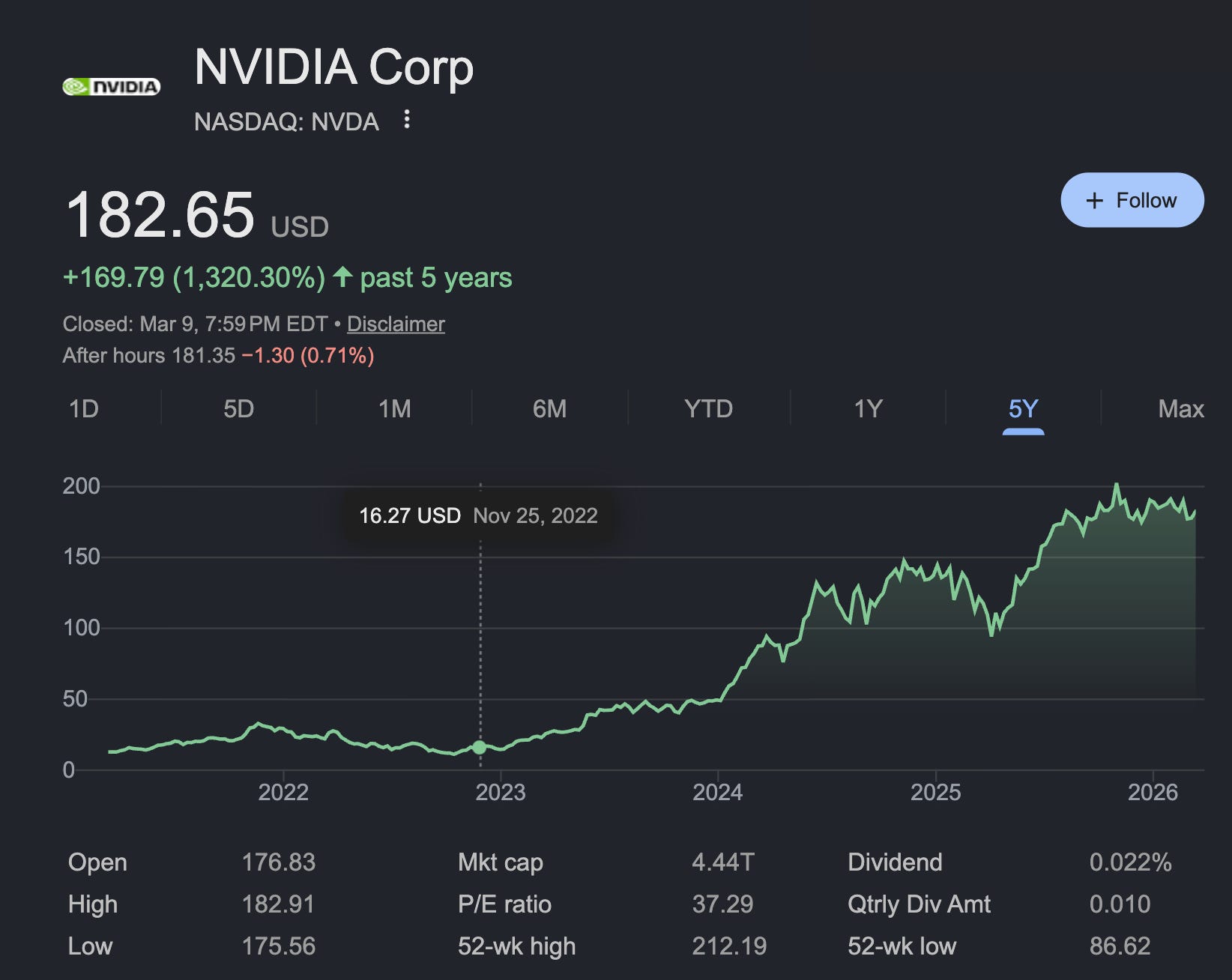
At NVIDIA's GTC conference, startup Brev used surfboards and oversized palm trees to make their small booth stand out. This fun, low-budget guerrilla marketing tactic created a lasting brand impression that people still remember years later, unlike generic corporate displays.
To be memorable, marketers should pivot from purely digital tactics to quirky, offline activities like pop-up stands or unusual collaborations. These offline events generate buzz that can be amplified online. If an idea doesn't seem slightly risky or unconventional, it's likely not bold enough to capture attention.

To raise their first $50,000 with no marketing budget, a co-founder sat on a toilet for a 51-hour livestream. This outlandish stunt was disruptive enough to get picked up by major media outlets, providing the initial awareness and capital they needed to launch the business.

The founders create hyper-personalized PR boxes from upcycled Amazon boxes. While incredibly time-consuming, this unique, sustainable approach makes influencers feel seen, resulting in organic shares that are powerful enough to sell out product lines, proving non-scalable efforts can have massive ROI.
For new companies with limited budgets, competing on ad spend is a losing game. A more effective strategy is a "guerrilla" approach: being physically present in the community, building direct relationships, and out-hustling competitors through high-effort engagement that larger, slower companies cannot easily replicate.

In its early days with no budget, The Gist used scrappy guerrilla marketing like spray painting its Instagram handle on sidewalks and creating scavenger hunts on college campuses. These low-cost, high-effort tactics built a core, highly-engaged initial subscriber base.

A low-cost physical activation, like a single billboard or street posters, can be amplified 10x by documenting it and sharing the story online. The real value isn't the physical impression but the digital content it generates for a broader audience.

With no ad budget, FUBU offered to paint its logo on the security gates of local businesses—from bodegas to repair shops—in exchange for keeping them graffiti-free. Labeling them all as an "authorized FUBU dealer," regardless of what they sold, created a massive, free advertising network and the perception of a large retail presence.
