Get your free personalized podcast brief
We scan new podcasts and send you the top 5 insights daily.
The PLA is the armed wing of the Chinese Communist Party, not the state. Xi Jinping is the only civilian on the Central Military Commission, making it the sole locus of party (and civilian) control, unlike Western models with extensive civilian oversight.
Related Insights
Observing the USSR's fall, the Chinese Communist Party drew key lessons to ensure its survival: use overwhelming force against dissent, prioritize the Party's power monopoly even at the cost of economic efficiency, and aggressively assimilate ethnic minorities to prevent separatism.

By removing his most experienced commanders, Xi has reduced China's short-term operational readiness for a Taiwan conflict. However, the new generation of promoted generals could be more loyalist "wolf warriors," increasing long-term belligerence.
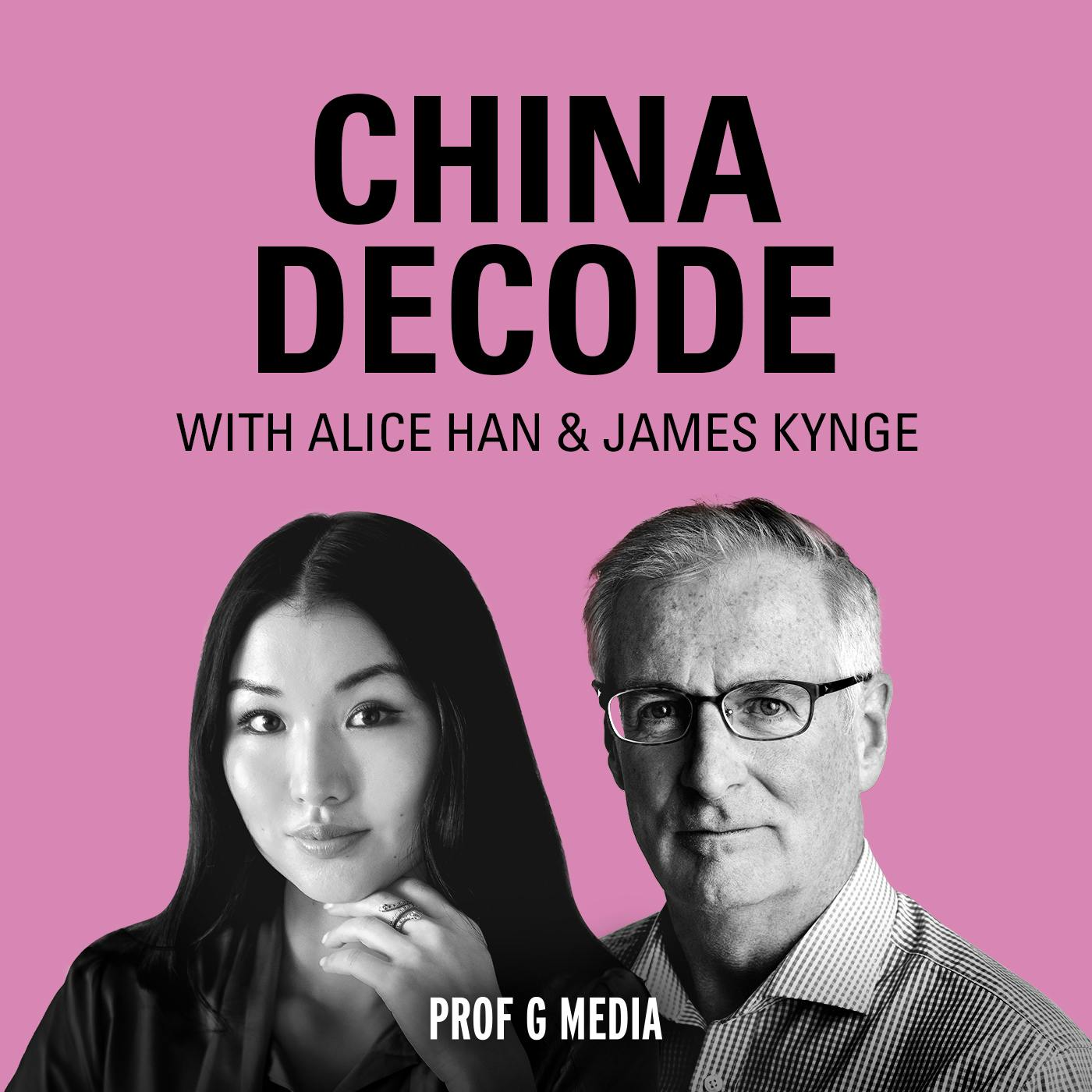
The unprecedented removal of top generals, including longtime confidants, suggests Xi feels his grip on the military is fragile. This is seen as a sign of weakness and concern over the loyalty and combat readiness of his top commanders.
Xi Jinping's widespread purges, aimed at consolidating power and rooting out corruption, have hollowed out the People's Liberation Army's experienced leadership. This creates a significant capabilities gap and operational readiness problem, potentially jeopardizing the military's ability to meet Xi's own 2027 deadline for being capable of invading Taiwan.
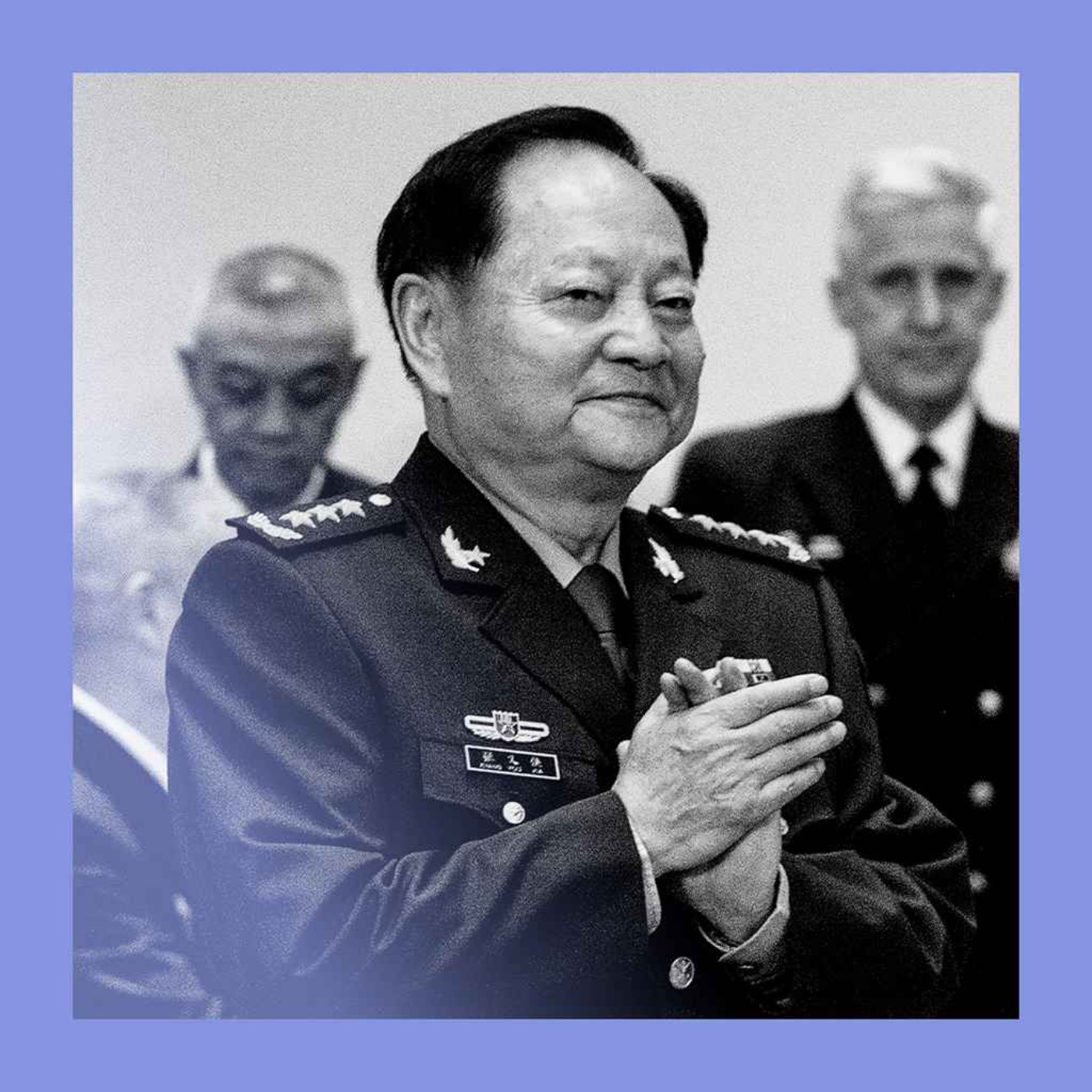
The investigation of General Zhang Youxia, a childhood friend and trusted ally of Xi Jinping, suggests the military purge extends beyond anti-corruption efforts. It points to a deeper concern with consolidating absolute authority, where even long-standing, powerful allies are seen as potential political threats that must be neutralized.
The purge's focus is on generals who "trampled on the chairman responsibility system," indicating a crackdown on challenges to Xi's direct, supreme command over the military, rather than a standard anti-graft campaign.
The official narrative of China's top general leaking nuclear secrets is likely a cover for a deeper power struggle between President Xi and the military establishment. The ongoing purges are a sign of internal conflict for control, making an invasion of Taiwan less likely due to a destabilized command structure.

Xi Jinping's willingness to decapitate his military leadership suggests he feels secure about the external environment. He perceives no immediate crisis over Taiwan, giving him the political space to conduct a thorough and disruptive internal consolidation.
The recent purges have wiped out an entire generational cohort of PLA leaders, not just individuals. This creates a significant succession crisis and leadership vacuum, forcing Xi to promote a new, untested generation of officers with whom he has no established trust.
Widespread corruption within the PLA means nearly every senior officer has a usable 'dossier.' This provides Xi Jinping with a permanent, justifiable pretext to eliminate anyone for political reasons, with corruption charges acting as the public-facing justification.