Get your free personalized podcast brief
We scan new podcasts and send you the top 5 insights daily.
For non-deterministic AI systems where every output can't be controlled, designers' roles must evolve to creating "evals"—systems that define and test for quality. Figma's CDO argues this is crucial for ensuring experiences generated by algorithms or LLMs consistently meet the desired standard of "good."

Related Insights
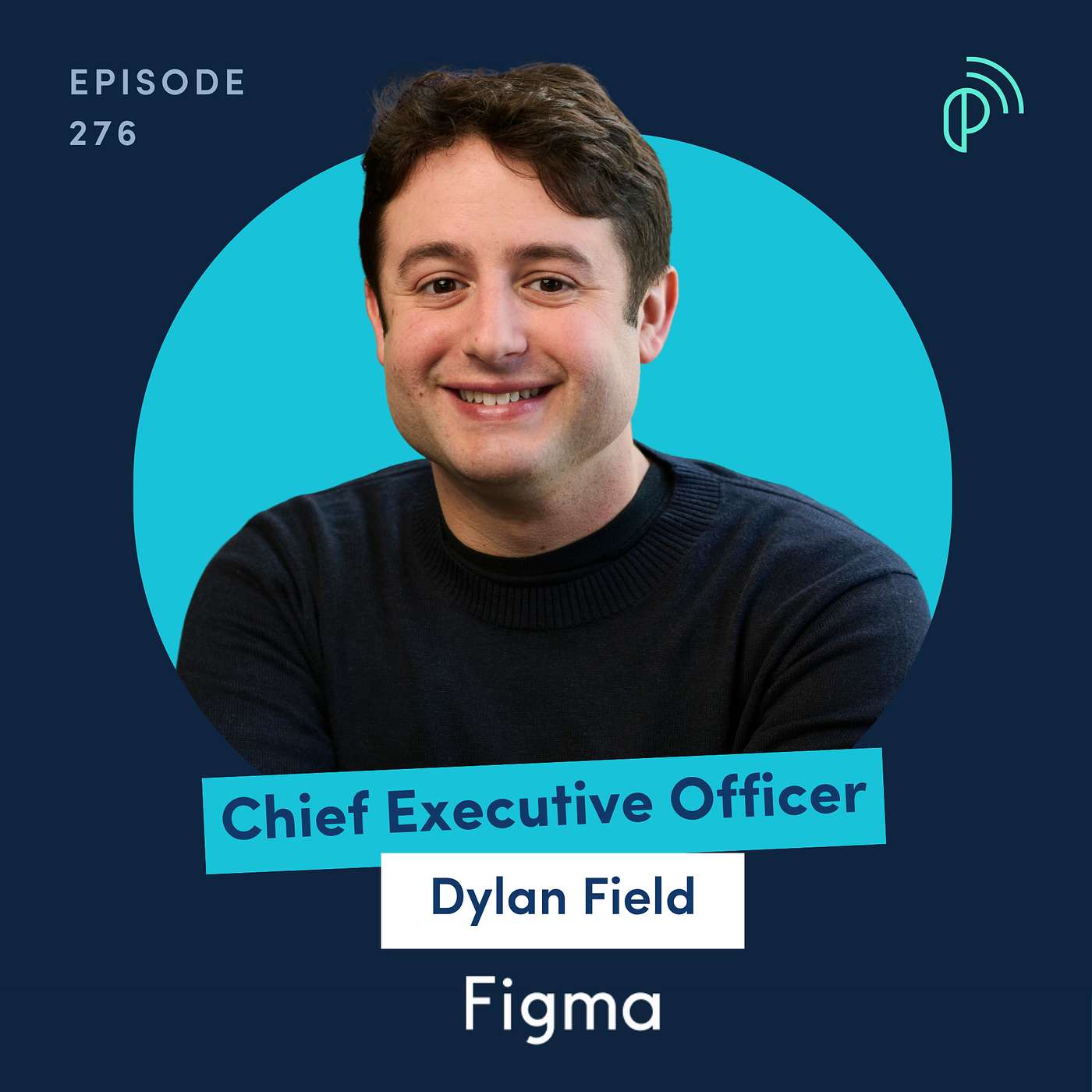
Figma CEO Dylan Field argues that while AI can quickly generate "good enough" results, this baseline is no longer sufficient. As AI floods the market with generic software and designs, true differentiation will come from human-led craft, taste, and pushing beyond the initial AI output.
AI lowers the technical barrier to building products, making design taste and judgment the critical differentiators. An AI can execute tasks, but it requires a designer's discerning eye to guide it toward a high-quality, cohesive, and valuable user experience.

Building non-deterministic AI products fundamentally changes the PM role. Instead of creating detailed, rigid specifications, the PM's primary task becomes defining and codifying "what good looks like." This is done by repeatedly grading AI outputs to train evaluation systems and guide the model's behavior.

As AI accelerates software development, basic functionality becomes table stakes. Figma's CEO contends that differentiation and winning now depend entirely on design, craft, and a strong point of view, as 'good enough' products will no longer succeed.
As AI automates UI generation, a designer's strategic value shifts. Instead of designing pixels, they will architect user experiences by defining which components are fixed for consistency (like a login flow) and which are flexible canvases for AI-driven personalization (like a user dashboard).
The role of an expert designer in an AI-powered organization splits in two. They must build systems to harness the influx of competent work from non-designers, and also use AI to explore and create entirely new, previously impossible user experiences.
Figma's CEO believes AI will create the "10X designer." As AI automates basic design tasks, making "good enough" the new baseline, the premium on true craft and system-level thinking will skyrocket. Designers who can leverage AI to execute a holistic product vision will become indispensable leaders and key drivers of a company's success.

Designing for AI is less about crafting pixel-perfect UIs in Figma and more about creating the underlying system or "harness." This involves enabling the agent to perform long-running tasks, verify its own work, and operate effectively within technical constraints, which is where the real design work lies.

As AI enables anyone to generate software and designs, the value of a designer shifts. Instead of being the sole creator, their role becomes more about editing, curating, and directing the output, ensuring the final product is well-crafted and solves the right problem.

With AI empowering anyone to be a '7/10 designer,' professionals must add value at the extremes. They should move 'down the stack' to perfect design systems that elevate everyone's baseline, and 'up the stack' to craft exceptional, rule-breaking experiences for critical user journeys that AI cannot replicate.