Get your free personalized podcast brief
We scan new podcasts and send you the top 5 insights daily.
Despite a progressive platform and diverse voter base, the Democratic Party's actual choice for presidential nominee consistently reverts to a traditional archetype. Scott Galloway argues the only reliable bet is that they will nominate a "white heterosexual male over six feet tall."

Related Insights
Politicians often strategize about balancing a ticket demographically (e.g., race, gender, sexuality), but this misses the point. Voters ultimately support candidates with whom they feel a values-based connection. A ticket can overcome perceived demographic liabilities if it projects values that resonate with the majority.

Despite women earning nearly 60% of college degrees—the primary qualification for members of Congress—they hold only 26% of seats. This statistical disparity suggests that American voters still subconsciously conflate stereotypically male traits like height and a deep voice with leadership, creating a systemic bias against female candidates.

Galloway reframes masculinity away from aggression toward protection. He argues a man's default instinct, even without fully understanding a group like the trans community, should be to protect them from being demonized. This approach bridges traditional masculine ideals with progressive social values.
Scott Galloway argues the far right recognized the crisis facing young men before the left. While their solutions were regressive—blaming women and minorities—their early diagnosis of the problem created a political vacuum they successfully filled, attracting a disenchanted male demographic.
While the right promotes a flawed version of masculinity, the left's common response is to suggest men adopt more feminine traits. Galloway argues this is ineffective because it fails to offer an aspirational, positive vision of masculinity, leaving many men feeling alienated and unrepresented.
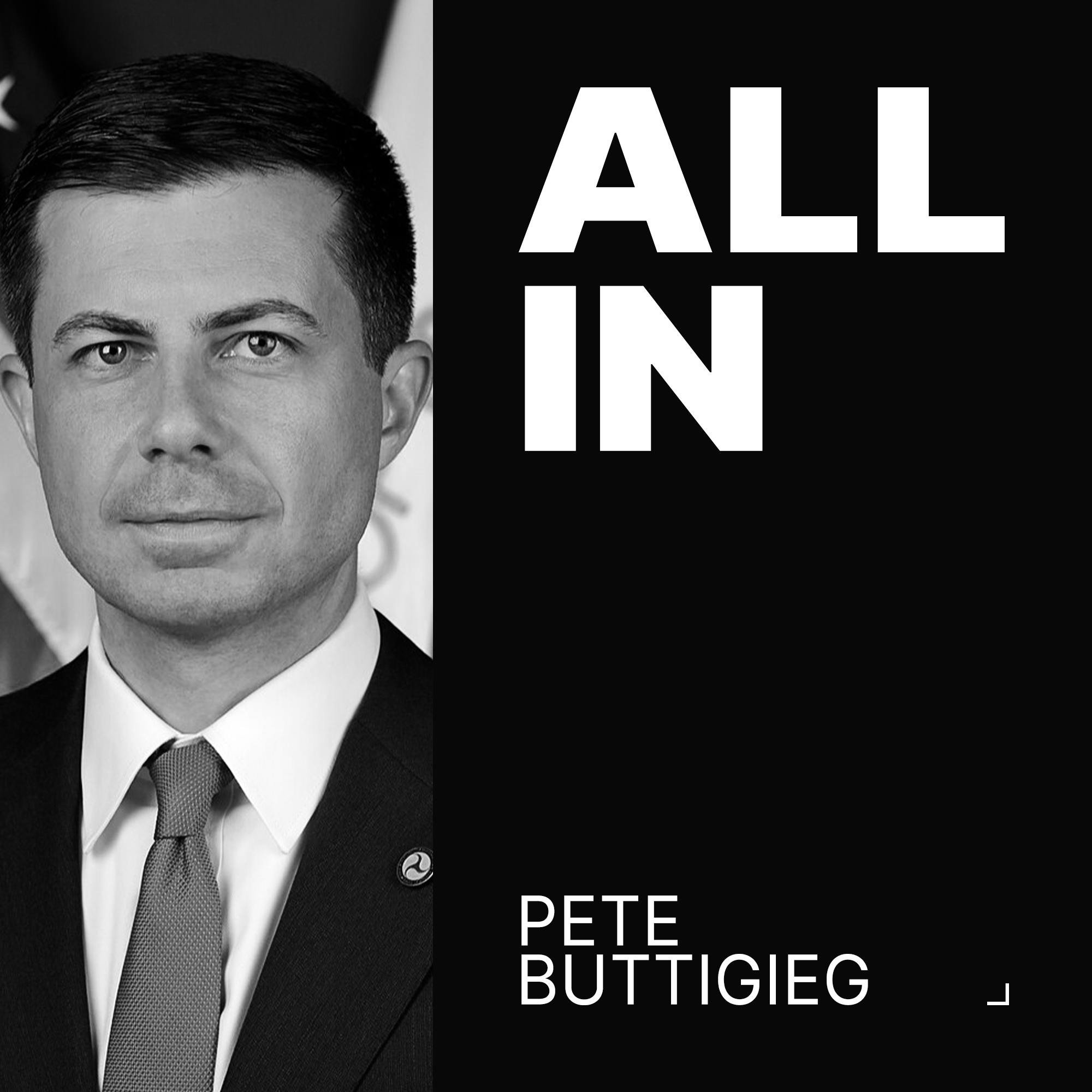
Buttigieg criticizes his own party for treating identity groups like items on a salad bar, offering something for each group individually. This approach, he argues, prevents the party from crafting a cohesive, unifying economic message that speaks to the shared interests of low-wealth people across all identities.
Voters subconsciously conflate physical traits like height and deep voices with leadership qualities. This heuristic, termed 'awesome dad energy,' provides a significant, often unacknowledged advantage to male candidates who fit the archetype, revealing a deep-seated sexism in how leadership potential is perceived.
The election of leaders like Japan's female prime minister, who enacts hardline policies, shows that voters are primarily driven by shared values, not identity characteristics. When a leader's ideology matches the electorate's, their gender or race becomes secondary.

Counterintuitively, the first female US president is predicted to be a Republican embodying a Margaret Thatcher-like 'Iron Lady' persona. To overcome gender bias, this theory suggests she will need a reputation for being exceptionally tough, possibly even more hawkish than her male counterparts, to be seen as electable.

Michelle Obama bluntly states that America is not yet ready for a female president, citing latent sexism and the inability of many men to be led by women. Her direct dismissal of her own candidacy ('don't waste my time') serves as a powerful indictment of the current political and cultural landscape for female leaders.