Get your free personalized podcast brief
We scan new podcasts and send you the top 5 insights daily.
The Union Army timed the raid for June, the "sickly season," when malaria-carrying mosquitoes forced white plantation owners and Confederate troops to evacuate the coastal wetlands. This created a strategic window of opportunity with minimal resistance.

Related Insights
Victory hinged on opportunism, not just courage. Athenian general Miltiades attacked only after intelligence confirmed the Persian cavalry—their deadliest asset—was being re-embarked on ships for a pincer movement. This fleeting window of vulnerability, created by enemy logistics, was the key to success.

The proclamation was not just a moral act but a calculated strategy. By making the war explicitly about ending slavery, Lincoln made it politically impossible for abolitionist nations like Great Britain to support the Confederacy, cutting off their resources.

Klan terrorism was a calculated political strategy. By creating persistent violence and chaos, white Southern Democrats aimed to exhaust the North's will to enforce Reconstruction. They correctly gambled that Northerners would eventually tire of the costly project and withdraw federal power.

Scipio learned that a lagoon protecting New Carthage periodically became shallow. He timed his attack for this moment, presenting the ebbing water to his troops as a miracle promised by the god Neptune. This divine framing inspired his men and enabled a surprise attack on an unguarded wall.
The KKK's campaign of terror had a quantifiable and devastating impact on elections. In some Georgia counties with Black majorities, the Republican vote for Ulysses S. Grant was reduced from over a thousand to single digits, or even zero. This demonstrates that paramilitary violence was a brutally effective tool for achieving political outcomes.
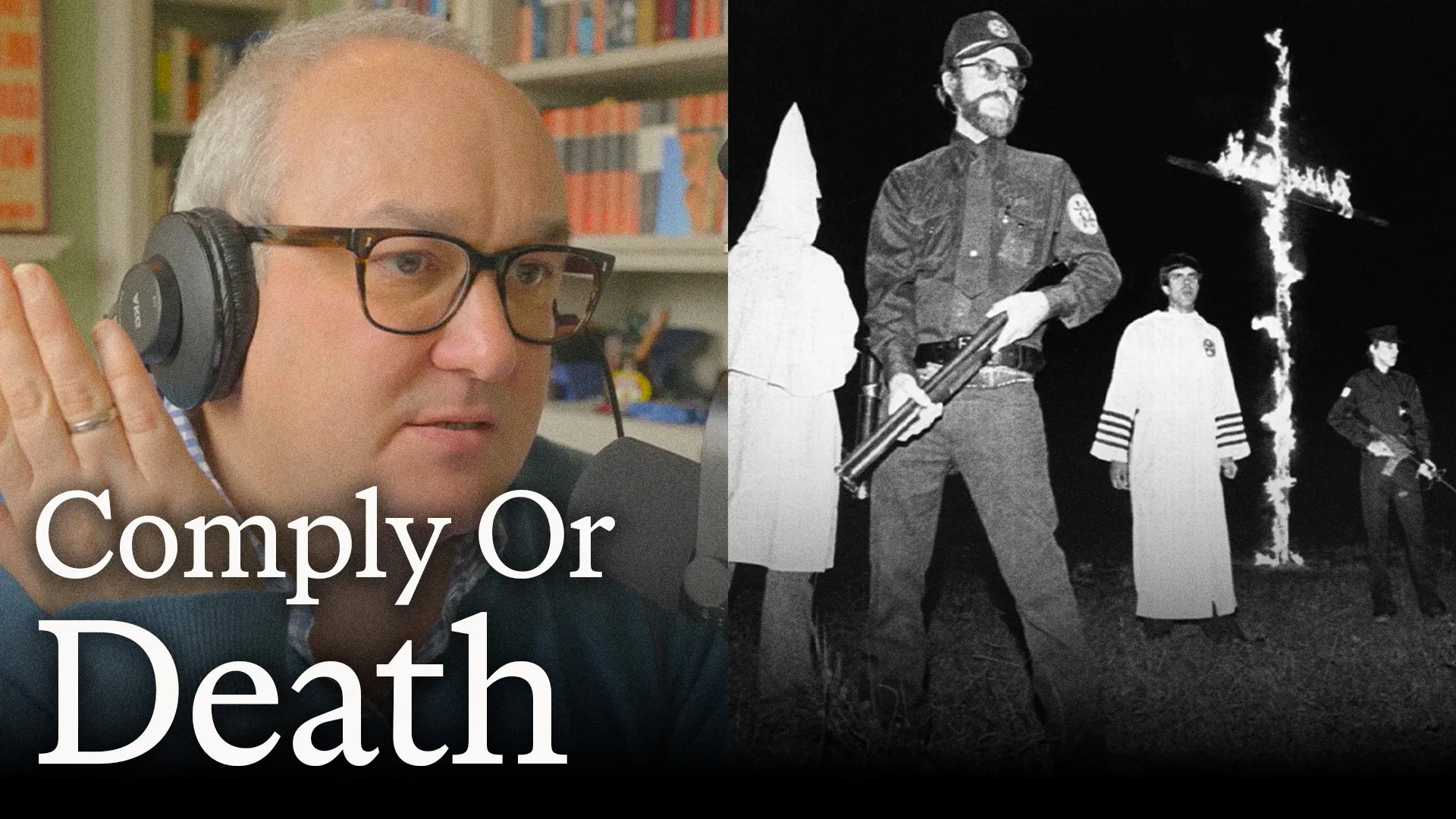
The story of York County, South Carolina, provides a powerful counter-narrative of what was possible during Reconstruction. When President Grant finally suspended habeas corpus and flooded the region with troops, the mass arrests effectively dismantled the Klan's power structure. This demonstrates that federal force, when applied decisively, could work.
The morning after being freed in the Combahee River Raid, 150 men immediately enlisted in the Union Army. This demonstrates a rapid shift from being subjects of liberation to active agents in the fight for others' freedom, challenging passive victim narratives.
During a tense first-contact encounter, the men of an uncontacted tribe engaged in a prolonged, distracting negotiation at the riverbank. This was a deliberate tactic to provide cover for the tribe's women, who simultaneously raided the nearby community's farm for food, demonstrating sophisticated coordinated strategy.

Historically, military campaigns were timed to avoid disrupting spring planting and fall harvests, which were vital for food supply and manpower. The timing of the hypothetical U.S.-Iran war during planting season highlights a modern detachment from these fundamental agricultural cycles.

Tubman's effectiveness as a Union spy came from systematically debriefing enslaved people who had escaped to freedom. They provided crucial tactical intelligence on the locations of river mines, fortifications, and troop movements they had been forced to support.